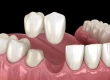




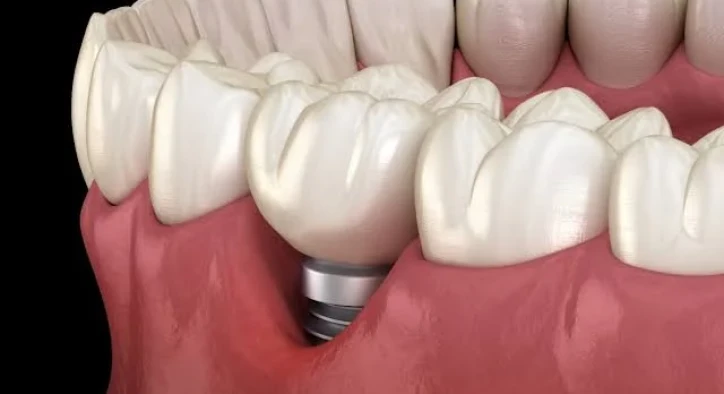

The development of inflammatory changes within the soft tissue matrix and supportive bone surrounding a dental implant represents one of the most critical complications in implant dentistry. When evaluating implant failure or tissue bleeding, understanding what is peri-implantitis marks the primary step toward saving the prosthetic foundation. Unlike localized surface mucositis, this progressive condition leads to active loss of marginal jawbone, turning a previously stable titanium fixture into a high-risk zone for complete implant loss.
For patients experiencing gum swelling, bleeding during brushing, or pus release around an existing post, identifying peri-implantitis symptoms early is crucial for successful intervention. Reversing bacterial contamination along the rough titanium thread surfaces requires moving beyond basic cleaning to deep mechanical and laser decontamination. This comprehensive clinical guide explores the pathological peri-implantitis stages, identifies key peri-implantitis risk factors, reviews non-surgical and surgical peri-implantitis treatment options, and highlights the advantages of laser treatment of peri-implantitis Turkey protocols.
Table Of Contents
- What Is Peri-Implantitis and How Does It Develop From Mucositis?
- What Are the Progressive Stages, Symptoms and Risk Factors?
- Advanced Solutions: Laser Treatment of Peri-Implantitis Turkey Protocols
- Clinical Evaluation: Before and After Treatment Comparison
- Frequently Asked Questions
- What are the earliest warning peri-implantitis symptoms?
- Can early peri-implantitis be cured without surgery?
- Why is laser treatment preferred over traditional mechanical cleaning?
- Is an implant guaranteed to survive after peri-implantitis treatment?
- How does smoking impact peri-implantitis risk factors?
What Is Peri-Implantitis and How Does It Develop From Mucositis?
To establish a proper clinical care plan, periodontists and implantologists differentiate between superficial tissue inflammation and active bone destruction around dental implants. When defining what is peri-implantitis, specialists describe an infectious disease caused by bacterial biofilm accumulation, resulting in soft-tissue breakdown and progressive loss of supporting alveolar bone.
The clinical progression follows a distinct biological timeline:
- [ BACTERIAL BIOFILM ACCUMULATION ]: Plaque traps along rough implant neck threads
- [ PERI-IMPLANT MUCOSITIS ]: Red swelling, localized bleeding, ZERO bone loss (Reversible)
- [ DEEP POCKET & BONE RESORPTION ]: Pathogens migrate deeper, triggering osteoclast activity
- [ PERI-IMPLANTITIS DEVELOPMENT ]: Active jawbone destruction, thread exposure, mobility
While early peri-implant mucositis affects only the soft gums and is completely reversible, true peri-implantitis involves irreversible bone loss. Anaerobic bacteria release toxins beneath the gum margin, triggering a destructive immune response that dissolves the surrounding jawbone matrix.
What Are the Progressive Stages, Symptoms and Risk Factors?
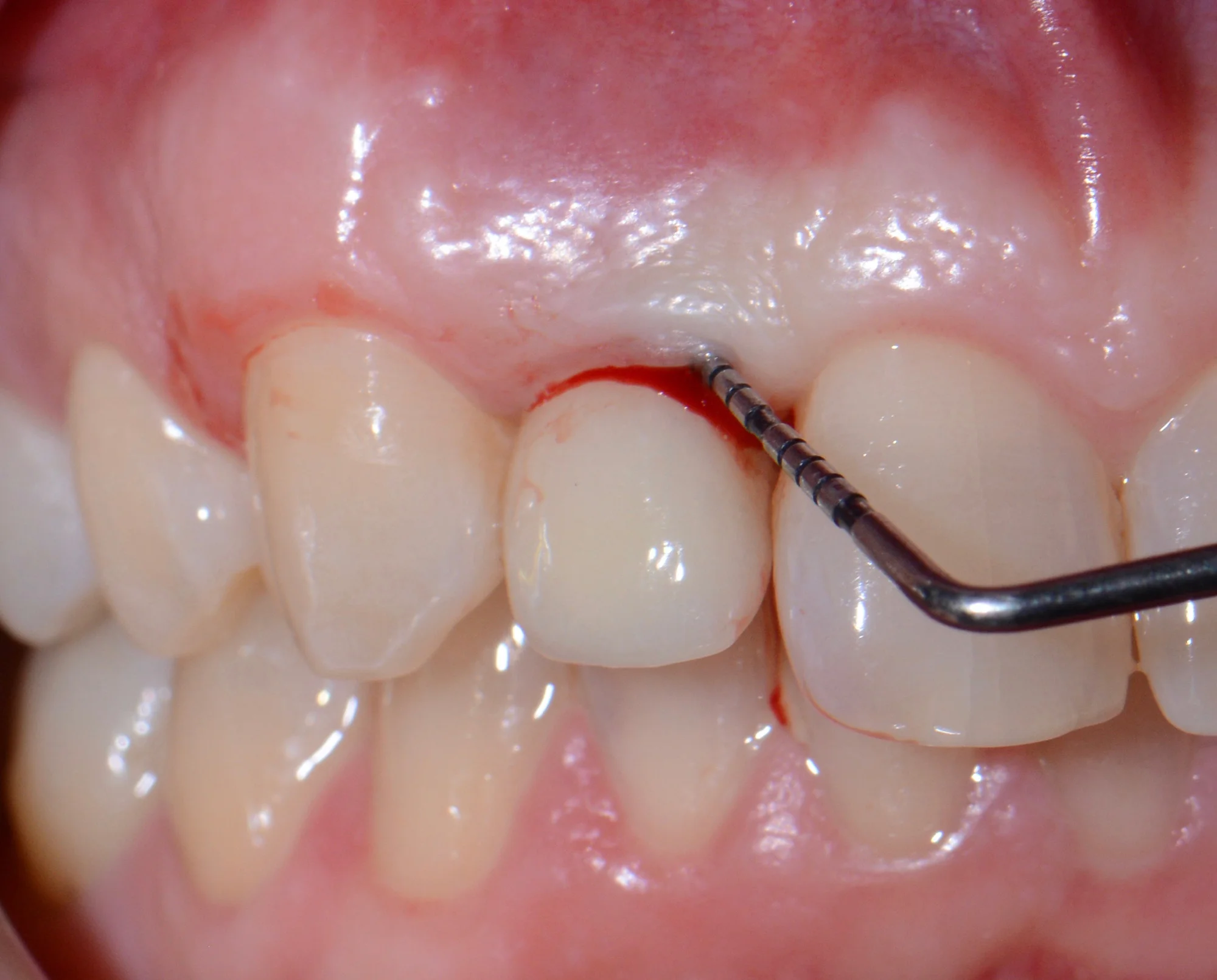
Identifying early peri-implantitis indicators allows clinicians to intervene before thread exposure becomes unmanageable. The disease moves through specific, measurable peri-implantitis stages:
- Early Peri-Implantitis: Pocket depths measure 4 to 5 mm with bleeding on probing. Slight bone loss (less than 2 mm) occurs around the upper implant threads.
- Moderate Peri-Implantitis: Pocket depths deepen to 6 to 7 mm with vertical bone loss of 2 to 4 mm. Patients notice persistent peri-implantitis symptoms like redness, swelling, and bad breath.
- Severe Peri-Implantitis: Pocket depths exceed 7 mm with over 50% bone loss around the titanium post. Pus exudate, visible metal threads, and eventual implant mobility occur at this stage.
Primary peri-implantitis risk factors include poor oral hygiene, a history of periodontitis, unmanaged diabetes, tobacco smoking, improper surgical placement, and residual cement trapped beneath the crown.
Advanced Solutions: Laser Treatment of Peri-Implantitis Turkey Protocols
Selecting effective peri-implantitis treatment depends on the depth of bone destruction and the degree of titanium surface contamination. Modern protocols utilize advanced laser technologies to decontaminate rough implant threads without damaging the metal.
- [ MECHANICAL DEBRIDEMENT ]: Titanium/carbon ultrasonic tips remove calculus
- [ HYDRO-PHOTONIC LASER ]: Laser beam vaporizes biofilm inside deep pockets
- [ BONE GRAFT & MEMBRANE ]: Guided bone regeneration restores lost support
The clinical process for laser treatment of peri-implantitis Turkey includes:
- Debridement: Specialized non-metallic ultrasonic tips gently remove hard tartar deposits from the implant neck.
- Laser Decontamination: Er:YAG or diode lasers target and vaporize bacterial biofilm hidden within the micro-rough titanium threads, completely sterilizing the surface.
- Regenerative Surgery: In moderate to severe cases, bone grafting material and protective membranes are placed over the cleaned threads to stimulate new jawbone growth (guided bone regeneration).
Clinical Evaluation: Before and After Treatment Comparison
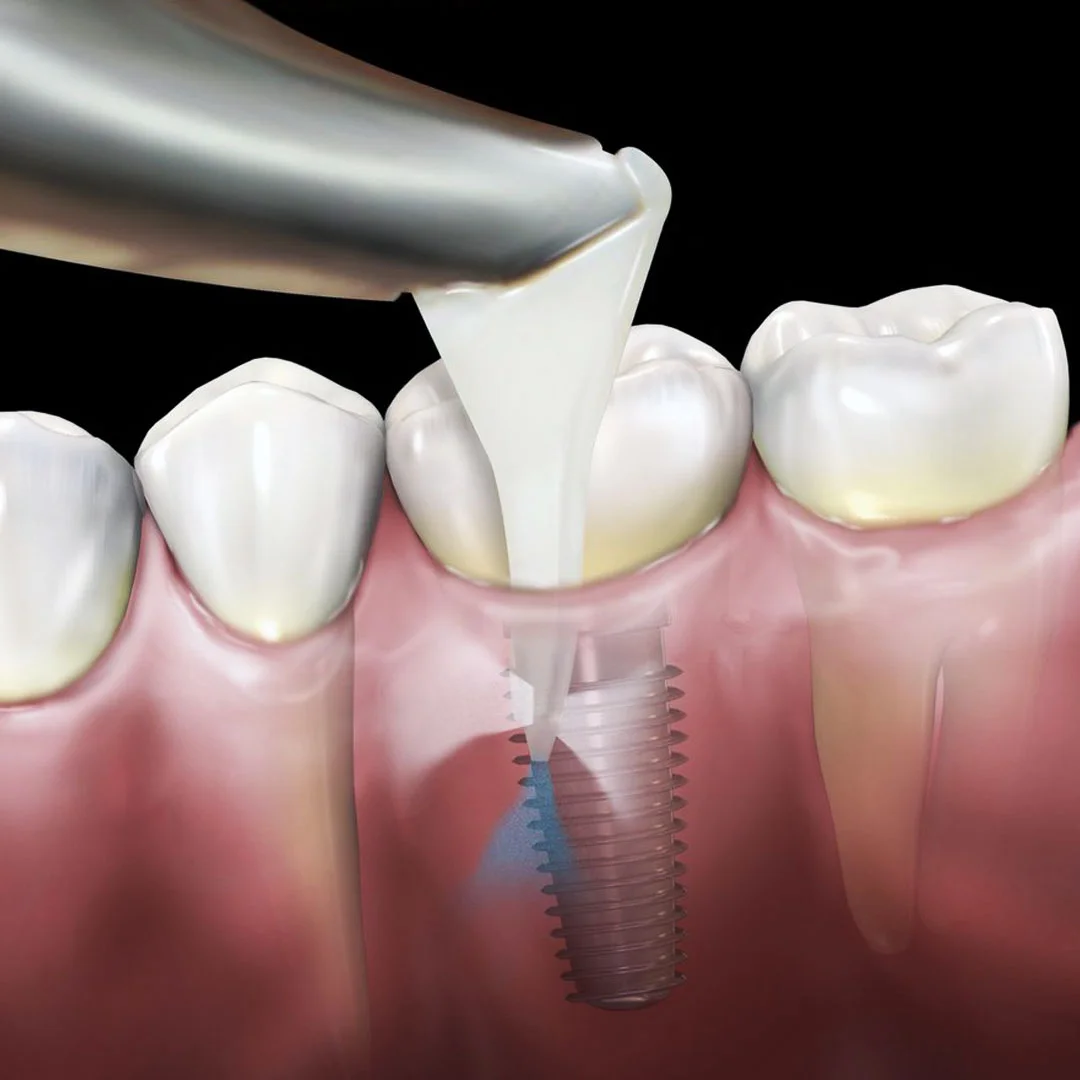
Reviewing clinical parameters demonstrates how combining laser decontamination with regenerative techniques halts bone loss and restores tissue health.
Evaluation Metric | Pre-Treatment Inflammatory State | Post-Treatment Stabilized State |
Probing Pocket Depth | Dangerous deep pockets (5 to 9+ mm) | Stabilized, healthy pockets (2 to 3 mm) |
Bleeding & Suppuration Index | High bleeding on probing with pus release | Zero bleeding, no exudate, firm pink gums |
Supportive Bone Matrix | Active, rapid crater-like bone loss | Halted bone loss; graft integration stabilized |
Implant Stability Index | High risk of loosening or complete failure | Fully stabilized post anchored securely in bone |
Frequently Asked Questions
What are the earliest warning peri-implantitis symptoms?
The earliest signs include gums that bleed easily when brushing around the implant, localized redness, persistent bad breath, and slight swelling. Pain is rarely felt in the early stage, making routine checkups essential.
Can early peri-implantitis be cured without surgery?
Yes. Early cases can often be managed non-surgically using deep ultrasonic debridement, local antiseptic irrigation (chlorhexidine), and targeted laser decontamination to remove plaque biofilm before significant bone loss occurs.
Why is laser treatment preferred over traditional mechanical cleaning?
Lasers are superior because their light energy penetrates deep into the micro-textured titanium threads where mechanical instruments cannot reach, killing anaerobic bacteria on contact without scratching or overheating the metal.
Is an implant guaranteed to survive after peri-implantitis treatment?
While modern decontamination and bone grafting techniques have high success rates, long-term survival depends on eliminating risk factors, maintaining strict home hygiene, and attending routine professional cleanings every 3 to 4 months.
How does smoking impact peri-implantitis risk factors?
Smoking significantly reduces blood flow and immune response in the gums, accelerating bacterial growth and bone loss around implants while lowering the success rate of regenerative treatments.
O autorovi