





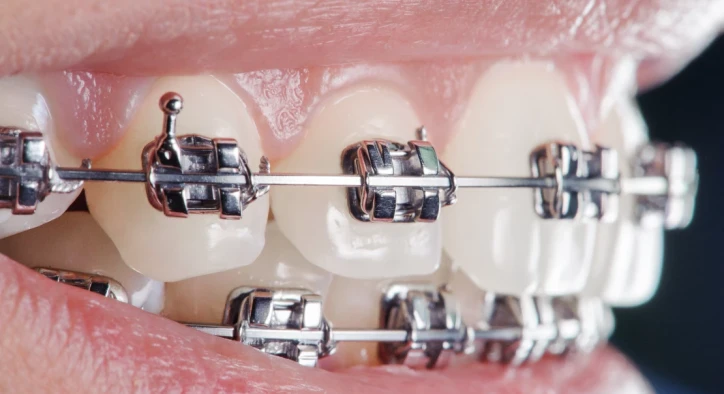

When people begin researching Braces, one of the first questions that comes to mind is simple yet deeply personal: how long will this take? The journey toward straighter teeth is rarely identical for two individuals. Treatment timelines vary depending on age, alignment severity, jaw structure, and biological response to orthodontic force.
At DentPrime, we often explain that Braces work through gradual, controlled tooth movement. This biological process cannot be rushed without risking damage. While general timelines exist, the science behind orthodontic treatment reveals a more nuanced story.
Table Of Contents
- Understanding How Braces Move Teeth Over Time
- Average Braces Treatment Time by Case Type
- Factors That Influence How Long Braces Take
- Do Modern Braces Work Faster Than Traditional Systems?
- Braces Phases and What Happens at Each Stage
- Comparing Braces with Alternative Orthodontic Options
- Retention After Braces and Long Term Stability
- Scientific Insights into Orthodontic Duration
- A Realistic Perspective on Braces Duration
- How Long Do Braces Really Take?
Understanding How Braces Move Teeth Over Time
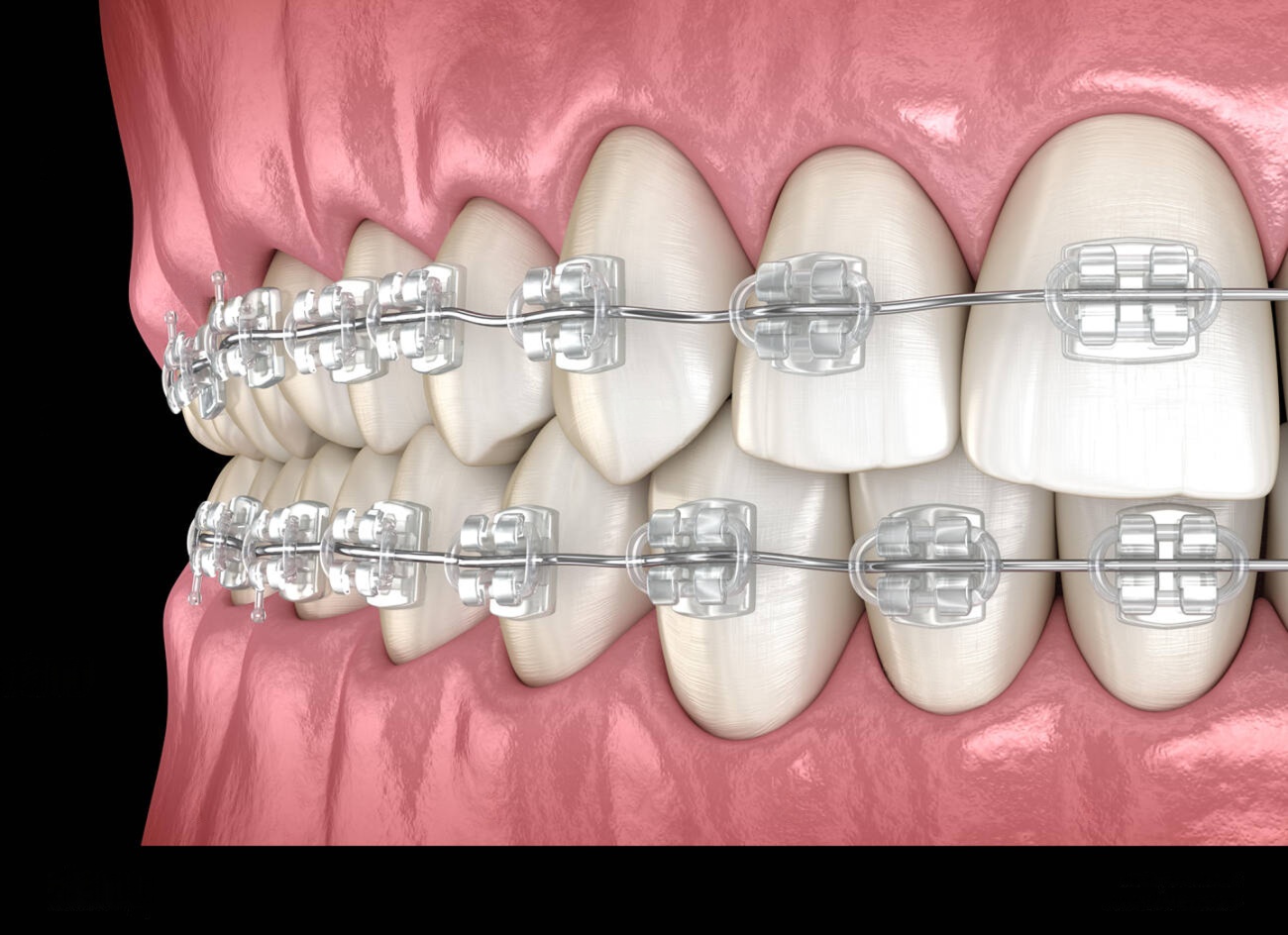
The mechanics of Braces rely on gentle, sustained pressure. Each bracket and archwire system applies calibrated force that stimulates bone remodeling. When pressure is applied to a tooth, the surrounding bone tissue responds by breaking down on one side and rebuilding on the other. This natural adaptation allows the tooth to shift into its new position.
This biological response explains why Braces cannot deliver instant results. Tooth movement occurs at an average rate of about one millimeter per month in many cases, though individual variation is significant. Age, bone density, metabolic rate, and oral health influence this process.
Modern orthodontic systems, including ceramic braces and self-ligating systems, may reduce friction and optimize movement efficiency. However, the core principle remains unchanged. Orthodontic tooth movement depends on the body’s natural regenerative capacity.
Average Braces Treatment Time by Case Type
The duration of Braces treatment depends largely on case complexity. Below is a general overview often referenced in orthodontic literature:
Case Type | Estimated Duration |
Mild spacing or crowding | 6 to 12 months |
Moderate misalignment | 12 to 24 months |
Severe bite issues | 24 to 36 months |
Mild alignment problems typically require less structural correction. In such cases, Braces may focus primarily on cosmetic straightening.
More complex cases involving overbite, underbite, crossbite, or jaw discrepancies require longer treatment phases. Orthodontists may combine Braces with elastics or additional appliances to guide jaw positioning. These added components influence total treatment time.
Importantly, these timelines are averages rather than guarantees. Biological variability plays a critical role in determining how efficiently teeth respond to orthodontic pressure.
Factors That Influence How Long Braces Take
Several measurable and biological variables affect how long Braces remain in place. Understanding these factors helps set realistic expectations.
- Age
Younger patients often experience faster tooth movement because their bone remodeling processes are more active. Adults can achieve excellent results with Braces, but treatment may proceed more gradually. - Severity of Misalignment
Minor cosmetic corrections differ significantly from structural bite corrections. The greater the initial displacement, the longer Braces may be required. - Patient Compliance
Elastic wear, oral hygiene, and appointment attendance matter. Consistent cooperation supports the effectiveness of orthodontic adjustments. - Type of Orthodontic System
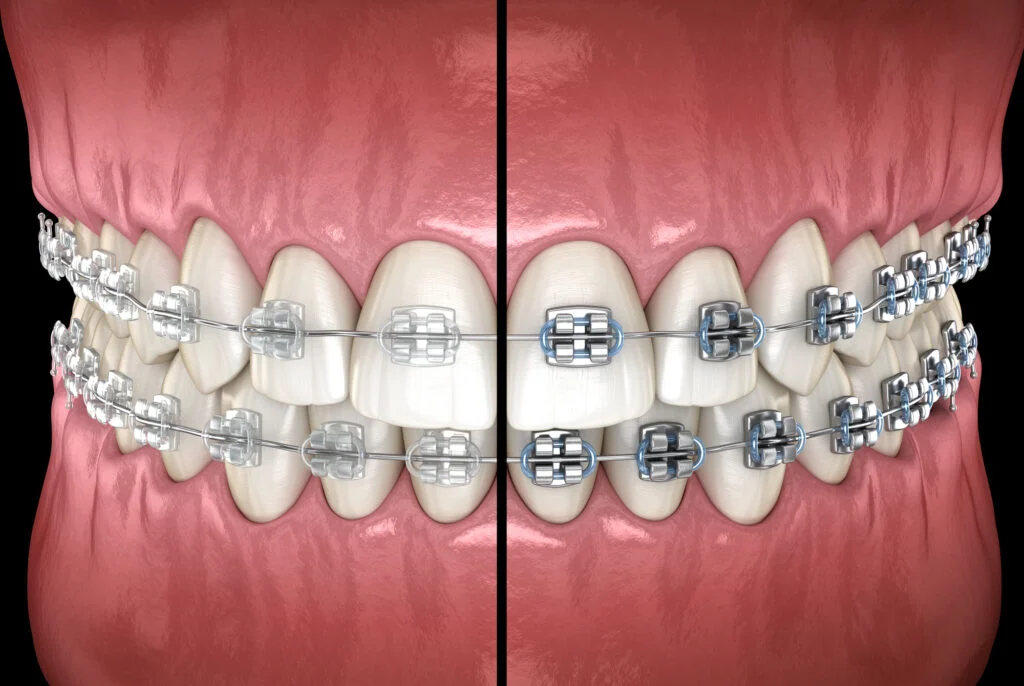
Traditional metal braces, ceramic braces, lingual braces, and clear aligners each function differently. For example, systems such as Invisalign use removable trays rather than fixed brackets. While both methods can achieve similar results, case selection influences timing. - Biological Response
Genetics, bone density, and systemic health influence remodeling speed. Even with identical orthodontic plans, two patients may progress at different rates.
Do Modern Braces Work Faster Than Traditional Systems?
Technological innovation has refined Braces systems considerably. Self-ligating braces reduce friction between wire and bracket. Heat-activated archwires respond to body temperature to deliver continuous force. Digital orthodontic planning allows more precise movement prediction.
Despite these advancements, research suggests that dramatic reductions in total treatment time are uncommon. While modern Braces may enhance comfort and predictability, biological limits still apply.
Orthodontic acceleration techniques, such as micro-osteoperforations, have been studied for their potential to stimulate bone remodeling. However, long term clinical evidence remains under evaluation.
At DentPrime, orthodontic treatment planning prioritizes stability over speed. Long lasting results often depend on controlled movement rather than rapid shifts.
Braces Phases and What Happens at Each Stage
Understanding the phases of Braces treatment clarifies why time is necessary. Orthodontic therapy generally progresses through structured stages.
Phase 1: Alignment and Leveling
The initial months focus on correcting crowding and rotating misaligned teeth. Light archwires begin shaping the dental arch.
Phase 2: Space Closure
If extractions were required, Braces gradually close gaps. This stage may take several months depending on spacing.
Phase 3: Bite Correction
Elastics or auxiliary devices adjust overbite, underbite, or crossbite relationships. Functional improvements often require sustained adjustment.
Phase 4: Finishing and Detailing
Final refinements ensure ideal tooth angulation and contact alignment. Subtle corrections during this stage can significantly influence aesthetics.
Each phase builds upon the previous one. Rushing through stages may compromise stability.
Comparing Braces with Alternative Orthodontic Options
When evaluating orthodontic solutions, patients often compare Braces with alternatives such as clear aligners. Both systems aim to reposition teeth, yet their mechanisms differ.
Clear aligners use removable plastic trays that are replaced every one to two weeks. Fixed Braces, by contrast, apply continuous force through bonded brackets and wires.
In moderate to complex cases, traditional Braces may offer more predictable control over rotational and vertical tooth movement. Clear aligners may be effective for mild to moderate corrections when patient compliance is high.
Orthodontic choice does not necessarily determine speed alone. Case complexity remains the dominant factor.
Retention After Braces and Long Term Stability
Completing active Braces treatment does not mark the end of orthodontic care. Retention is a critical phase that preserves results.
Teeth naturally tend to shift back toward their original positions. Retainers stabilize alignment while bone tissue reorganizes around newly positioned roots. Without retention, relapse may occur.
Retention duration varies. Some orthodontists recommend full time retainer wear initially, followed by long term nighttime use. The stability of Braces outcomes often depends more on retention consistency than on the active treatment period itself.
Scientific Insights into Orthodontic Duration
Orthodontic literature frequently references the concept of controlled inflammatory response in tooth movement. When Braces apply force, the periodontal ligament releases biochemical mediators that trigger cellular activity. Osteoclasts and osteoblasts remodel the surrounding bone.
Studies suggest that safe orthodontic force must remain within a physiological threshold. Excessive pressure does not necessarily accelerate progress and may increase discomfort. This biological safeguard reinforces why Braces treatment follows measured timelines rather than rapid transformations.
Emerging research explores personalized orthodontics using digital modeling and predictive analytics. These technologies aim to optimize efficiency while respecting biological limits.
A Realistic Perspective on Braces Duration
Many patients begin Braces treatment hoping for rapid results. While minor alignment improvements may become visible within months, comprehensive bite correction requires patience.
Orthodontic transformation often unfolds gradually. Subtle changes accumulate until the final alignment becomes apparent. This incremental progression reflects the body’s remarkable adaptive capacity.
At DentPrime, orthodontic planning integrates clinical assessment, digital imaging, and patient goals. Rather than promising fixed timelines, treatment focuses on individualized progression.
How Long Do Braces Really Take?
So, how long do Braces take to straighten teeth? In general, treatment ranges from several months to three years depending on complexity. Mild cosmetic adjustments may resolve relatively quickly, while structural bite corrections require extended care.
The duration of Braces treatment depends on biological response, orthodontic technique, compliance, and case severity. Modern technology enhances precision and comfort, yet it does not override natural remodeling processes.
For individuals considering orthodontic care, understanding the science behind Braces fosters realistic expectations. The timeline may vary, but the objective remains consistent: functional alignment, aesthetic harmony, and long term stability.
DentPrime continues to combine clinical expertise with evidence based orthodontics, offering carefully planned treatment pathways designed for sustainable results.
About the Author