




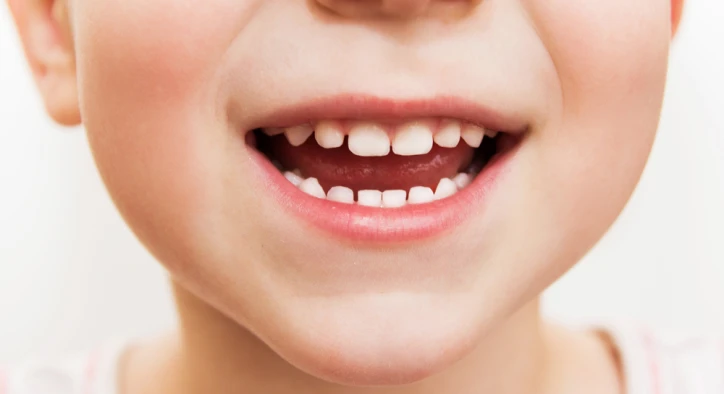

When it comes to early childhood habits, pacifier teeth issues often emerge as a subtle yet impactful concern. From mild misalignments to more pronounced dental shifts, the act of prolonged sucking can influence the development of a child’s oral structure. While pacifiers provide comfort, understanding their effects on teeth can offer valuable insight for parents and dental professionals alike.
Table Of Contents
- Understanding Pacifier Teeth Development
- Common Types of Pacifier Teeth Problems
- How Duration and Intensity Influence Pacifier Teeth
- Comparing Pacifier Teeth Effects to Thumb Sucking
- Preventive Measures for Healthy Pacifier Teeth
- Long-Term Implications of Pacifier Teeth Misalignment
- Insights from Research and Dental Observations
Understanding Pacifier Teeth Development
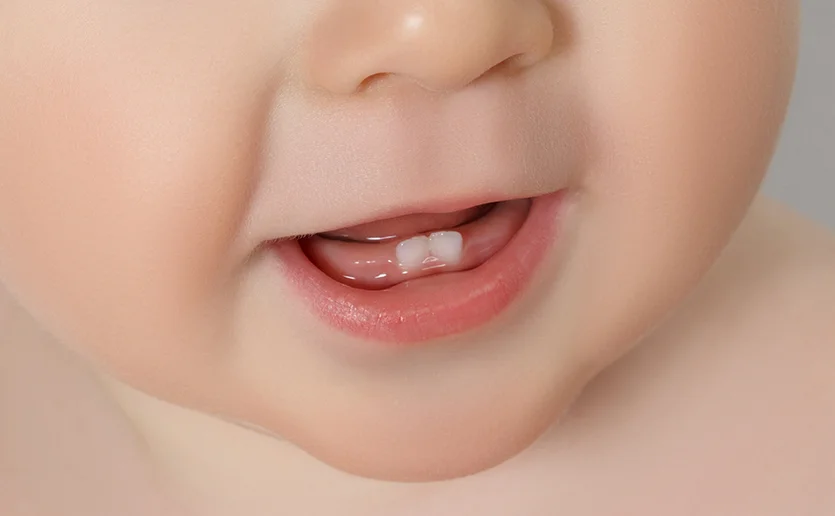
Pacifier teeth issues usually begin subtly, often unnoticed during infancy. The continuous pressure from sucking a pacifier can alter the natural alignment of teeth, particularly the upper front teeth. According to studies published in pediatric dentistry journals, children who use pacifiers beyond age three are more likely to experience malocclusions, such as open bite or crossbite patterns.
Interestingly, not all sucking habits yield the same impact. The intensity, frequency, and duration of pacifier use play pivotal roles. A soft, flexible pacifier used occasionally might have negligible effects, whereas habitual use for several hours daily increases the risk of dental shifts.
Common Types of Pacifier Teeth Problems
Dental researchers categorize pacifier teeth problems into several types based on the teeth and jaw regions affected:
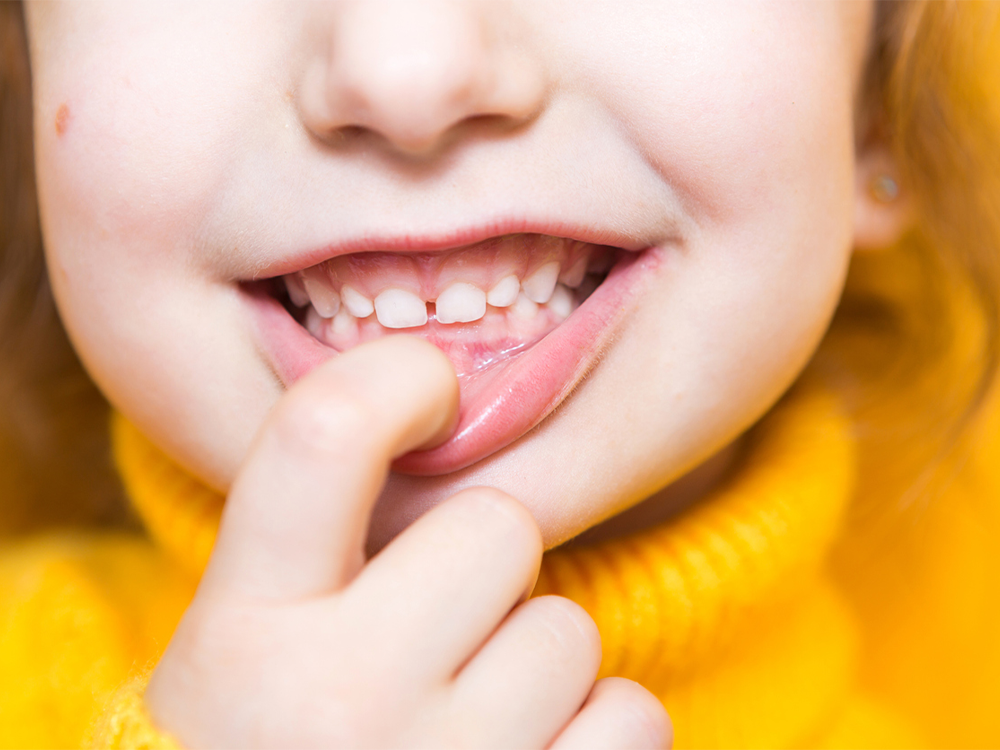
- Anterior Open Bite – Upper and lower teeth fail to meet, leaving a noticeable gap.
- Posterior Crossbite – Misalignment in back molars causing uneven bite.
- Overjet or Overbite – Front teeth protrude excessively due to prolonged sucking.
- Dental Crowding – Limited space in the dental arch leads to overlapping teeth.
Each type varies in severity, often influenced by genetic factors, age at which pacifier use starts, and overall oral hygiene. Studies suggest that early cessation of pacifier use can reverse some mild dental changes.
How Duration and Intensity Influence Pacifier Teeth
The correlation between sucking habits and pacifier teeth problems is closely tied to usage patterns. Research indicates:
- Less than 1 hour per day: minimal risk of dental alterations
- 1–3 hours per day: moderate risk, potential for slight alignment issues
- More than 3 hours per day: high risk, likely development of malocclusions
A study conducted by the American Academy of Pediatric Dentistry found that children who used pacifiers intensively before age four had a 40% higher likelihood of developing anterior open bite compared to non-users.
Comparing Pacifier Teeth Effects to Thumb Sucking
Thumb sucking shares similarities with pacifier use but introduces unique variables. Unlike pacifiers, thumbs vary in size, shape, and angle, leading to unpredictable pressure distribution. Interestingly, both habits can cause similar issues, including open bite, crossbite, and overjet. However, dentists note that pacifiers are easier to control in terms of material and design, potentially reducing severe misalignments if managed appropriately.
Preventive Measures for Healthy Pacifier Teeth
While this article avoids prescriptive medical advice, research-backed strategies can mitigate pacifier teeth problems:
- Limiting pacifier use after age two
- Encouraging intermittent breaks during the day
- Choosing orthodontically designed pacifiers
- Monitoring dental alignment regularly
Early awareness allows caregivers to observe shifts before they become entrenched, supporting natural oral development without abrupt intervention.
Long-Term Implications of Pacifier Teeth Misalignment
Unaddressed pacifier teeth issues may lead to lasting dental concerns, including difficulties in chewing, speech articulation challenges, and the need for orthodontic correction later in life. While not all children require intervention, dental professionals emphasize monitoring alignment to prevent exacerbation. Interestingly, some mild cases self-correct as permanent teeth emerge, illustrating the resilience and adaptability of the developing jaw.
Insights from Research and Dental Observations
Recent longitudinal studies highlight that the prevalence of pacifier teeth problems varies by cultural practices and regional habits. For instance, children in regions with prolonged pacifier use show higher rates of anterior open bite but lower incidences of posterior crossbite, suggesting environmental and behavioral factors interplay with genetics. Additionally, pediatric dentists note that parental awareness and proactive monitoring significantly reduce the severity of complications.
About the Author