




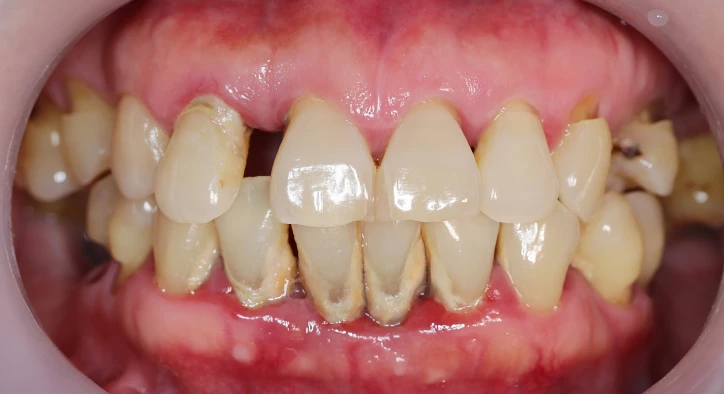

The silent destruction of the supporting structures that lock human teeth into the jaw bone represents one of the most common causes of adult tooth loss worldwide. When evaluating chronic inflammatory oral environments, answering what is periodontitis represents a critical milestone in understanding systemic health preservation. Unlike localized superficial infections, this advanced disease damages the collagen fibers, periodontal ligaments, and alveolar bone tissue, turning a stable oral environment into a high-risk zone for premature tooth mobility.
For patients noticing blood during routine brushing or experiencing persistent bad breath, discovering the exact parameters of gum disease periodontitis is an essential step to prevent irreversible tooth loss. Reversing internal tissue damage requires shifting from basic surface brushing to deep chemical and mechanical subgingival cleaning. This comprehensive clinical guide explores the biological transition of gingivitis vs periodontitis, maps out the destructive periodontitis stages, identifies red-flag periodontitis symptoms, details how to treat periodontitis safely using laser surgery, and provides an upfront breakdown of global periodontitis treatment cost structures.
Table Of Contents
- What Is Periodontitis and How Does It Transition From Gingivitis?
- What Are the Pathological Periodontitis Stages and Progressive Symptoms?
- How to Treat Periodontitis Safely Using Advanced Root Scaling Protocols?
- The Reality of Recovery: Before and After Periodontitis Treatment Outcomes
- Financial Analysis: What Is the Average Periodontitis Treatment Cost?
- Frequently Asked Questions
What Is Periodontitis and How Does It Transition From Gingivitis?
To stop tissue degradation effectively, we must first understand the clinical transition across the gingivitis vs periodontitis boundary line. While both conditions are caused by the accumulation of microscopic bacterial plaque along the teeth, their biological impacts on your mouth are vastly different.
- [ PLAQUE TOXIN ACCUMULATION ]: Bacterial matrix irritates superficial soft tissues directly
- [ PHASE 1: GINGIVITIS ]: Red swelling, localized bleeding, ZERO bone loss (100% reversible)
- [ DEEP POCKET FORMATION ]: Anaerobic bacteria migrate under the soft tissue gum margins
- [ PHASE 2: PERIODONTITIS ]: Alveolar bone erodes, ligaments tear, irreversible structural damage
When answering what is periodontitis, clinicians describe an advanced state where toxins created by anaerobic bacteria slip beneath the soft tissue margin, triggering an aggressive, hyper-inflammatory immune response. Your body tries to fight off the infection by releasing specialized enzymes that unfortunately dissolve your own healthy alveolar bone matrix and periodontal ligaments over time, causing the gums to separate from the tooth roots.
What Are the Pathological Periodontitis Stages and Progressive Symptoms?
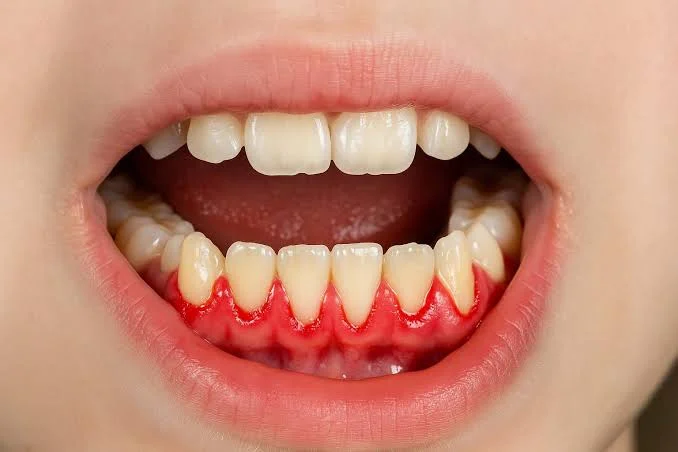
This chronic condition moves forward through distinct, measurable periodontitis stages, changing from a silent infection into an aggressive structural emergency. Identifying early indicators allows patients to seek deep cleaning before their tooth roots lose too much bone support.
The clinical progression follows a highly specific pathological timeline:
- Early Periodontitis / Mild Periodontitis: The pocket depths beneath the gums measure between 3 to 4 millimeters. Patients experience initial periodontitis symptoms such as localized bleeding, mild gum recession, and a constant bad taste in the mouth from early bacterial gases.
- Moderate Periodontitis: Tissue pockets deepen to 5 or 6 millimeters, allowing harmful bacteria to attack the underlying bone matrix. The gums pull away from the teeth permanently, exposing sensitive root areas to hot and cold temperatures.
- Severe Periodontitis: Bacterial pocket depths exceed 7 millimeters, causing extensive destruction of over 50% of the supporting bone structure. At this stage, painful tooth mobility, pus formation along the gum borders, and spontaneous drifting of teeth occur regularly.
How to Treat Periodontitis Safely Using Advanced Root Scaling Protocols?
When evaluating how to treat periodontitis effectively, standard superficial scaling is no longer enough because the primary infection is locked deep underneath the gum line. Modern clinical periodontics utilizes a non-surgical protocol called Scaling and Root Planing (SRP) combined with hydro-photonic lasers.
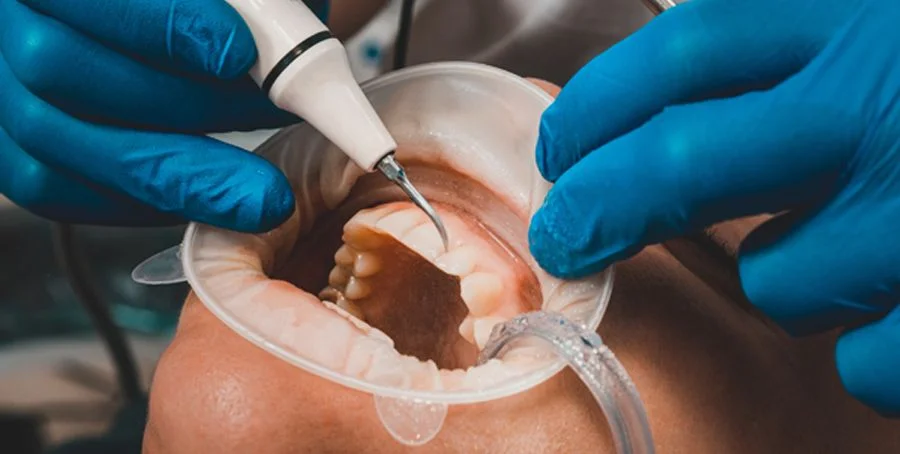
- Deep Ultrasonic Debridement: Dentists use specialized, high-frequency micro-ultrasonic instruments to break up tough subgingival tartar and calculus matrices hidden inside deep pockets without cutting the gums open.
- Laser Pocket Sterilization: Following mechanical removal, an advanced dental laser fiber is inserted directly into the pocket. The light energy kills anaerobic bacteria instantly on contact and vaporizes diseased tissue layers, stimulating healthy cells to form a tight, protective new seal around the tooth roots.
The Reality of Recovery: Before and After Periodontitis Treatment Outcomes
Reviewing a typical clinical database of before and after periodontitis treatment outcomes reveals how eliminating subgingival bacteria transforms the structural health of your mouth.
Clinical Measurement Index | Pre-Treatment Inflammatory State | Post-Treatment Stabilized State |
Subgingival Pocket Depths | Dangerous depths measuring 5 to 9+ mm | Stabilized, healthy pockets measuring 1 to 3 mm |
Soft-Tissue Bleeding Index | High, spontaneous bleeding during eating or brushing | Zero bleeding, firm tissues attached to the root |
Alveolar Bone Loss Rate | Active, rapid erosion driven by chronic inflammation | Halted bone loss; matrix calcification stabilized |
Oral Microbiome Balance | Overgrown with toxic anaerobic pathogens | Restored, healthy balance of benign oral bacteria |
Following successful deep stabilization, the gums transition from a dark red, puffy state back into a healthy, firm light-pink color. While lost bone structure cannot naturally grow back on its own, halting the infection stops the progression of tooth mobility, securing your remaining teeth firmly in place for decades.
What Is the Average Periodontitis Treatment Cost?
The investment required to stop advanced bone loss depends heavily on the depth of the soft-tissue pockets and the geographical location of the dental center. When looking at the global periodontitis treatment cost structures, traveling for care at specialized destination clinics like DentPrime in Turkey offers significant savings:
- United Kingdom & Western Europe: Comprehensive multi-quadrant deep scaling, laser root decontamination, and regular surgical pocket therapies easily cost between £1,500 and £3,500, often forcing patients to delay care.
- DentPrime Turkey Packages: By utilizing our in-house premium laser setups and full-time parodontology specialists, we offer the exact same top-tier deep decontamination packages at a fraction of the cost, usually ranging from £300 to £600 for full-mouth multi-quadrant deep therapy.
Frequently Asked Questions
What is periodontitis caused by primarily?
It is primarily caused by poor oral hygiene habits that allow a sticky layer of bacterial plaque to harden into a rock-like deposit called calculus or tartar. Once tartar forms under the gum line, it cannot be removed with a standard toothbrush and acts as a constant breeding ground for toxic bacteria.
Can mild periodontitis be completely cured at home?
No, it cannot be cured at home. While early gingivitis can be reversed with excellent brushing and flossing, once it develops into mild periodontitis, the bacteria have already created pockets beneath the gums. You must see a dentist to have these deep deposits removed with specialized ultrasonic tools.
What are the main warning periodontitis symptoms I should watch for?
The key warning signs include gums that bleed easily during brushing, red or swollen soft tissues, persistent bad breath (halitosis) that does not go away with mouthwash, loose teeth, and teeth that look longer because your gum line is actively shrinking.
How does severe periodontitis impact your overall body health?
Chronic severe periodontitis allows toxic bacteria to pass directly into your bloodstream through bleeding gums. Clinical studies show that these traveling oral pathogens trigger widespread inflammation throughout your body, significantly increasing your long-term risks for heart disease, strokes, and poorly controlled diabetes.
What is included in essential post-treatment aftercare?
Essential aftercare requires brushing with a soft-bristled brush twice a day, cleaning between teeth daily using interdental brushes or water flossers, rinsing with an alcohol-free antiseptic mouthwash, and returning to your clinic every three to four months for professional maintenance cleanings to ensure the infection does not return.
About the Author