





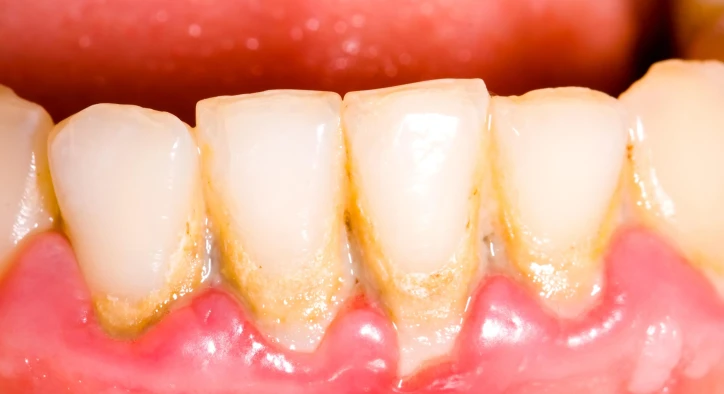

Maintaining a healthy mouth involves more than just a bright smile; it requires a deep understanding of the microscopic environment surrounding your teeth and plaque. Plaque is an invisible, sticky film of bacteria that develops on the surfaces of our teeth every single hour of the day. While it might seem harmless at first, it is the primary driver behind nearly every major dental issue, from simple bad breath to complex tooth loss.
At DentPrime, we believe that education is the most powerful tool in preventative dentistry. In 2026, with the advancement of dental technology, we have more ways than ever to manage bacterial biofilms. However, the foundation of oral health still rests on how well an individual manages the daily buildup of plaque and tartar on teeth. By understanding how these substances interact with your enamel and gums, you can take control of your dental future and avoid invasive procedures.
Table Of Contents
What Exactly is Dental Plaque?
To understand the connection between teeth and plaque, we must look at the science of the mouth. Your mouth is a complex ecosystem home to millions of bacteria. When these bacteria mix with proteins and food byproducts (especially sugars and starches), they create a sticky film called a biofilm. This is dental plaque.
Plaque is particularly dangerous because it is "prolific." It starts forming on your teeth immediately after you brush. Because it is colorless or a very pale yellow, it is often difficult to see with the naked eye. This "invisibility" is why many people believe their teeth are clean even when a significant layer of bacteria is present. If you have ever felt a "fuzzy" or "slippery" coating on your teeth with your tongue at the end of the day, you are feeling the physical presence of plaque.
Plaque vs. Tartar: Why You Can’t Brush Away Everything
One of the most frequent points of confusion for patients is the difference between plaque and tartar on teeth. While they are related, their physical properties and treatment methods are vastly different.
Plaque is soft and sticky. Because of its soft texture, it can be disrupted and removed with mechanical action. However, if plaque is left undisturbed for as little as 24 to 72 hours, it begins to mineralize.
Tartar, also known as calculus, is the result of plaque reacting with the minerals in your saliva. Once plaque hardens into tartar, it becomes a rock-hard deposit that is chemically bonded to the tooth enamel. You cannot remove tartar with a toothbrush, no matter how hard you scrub. This is why plaque and tartar teeth management requires a two-step approach: daily home care for plaque and professional intervention for tartar.
Feature | Dental Plaque | Tartar (Calculus) |
Texture | Soft, sticky, fuzzy | Hard, crusty, rough |
Color | Colorless or pale yellow | Yellow, tan, or brown |
Removal | Brushing and flossing | Professional scaling only |
Timeframe | Forms within minutes/hours | Hardens within 1-3 days |
How Plaque Damages Your Teeth and Gums
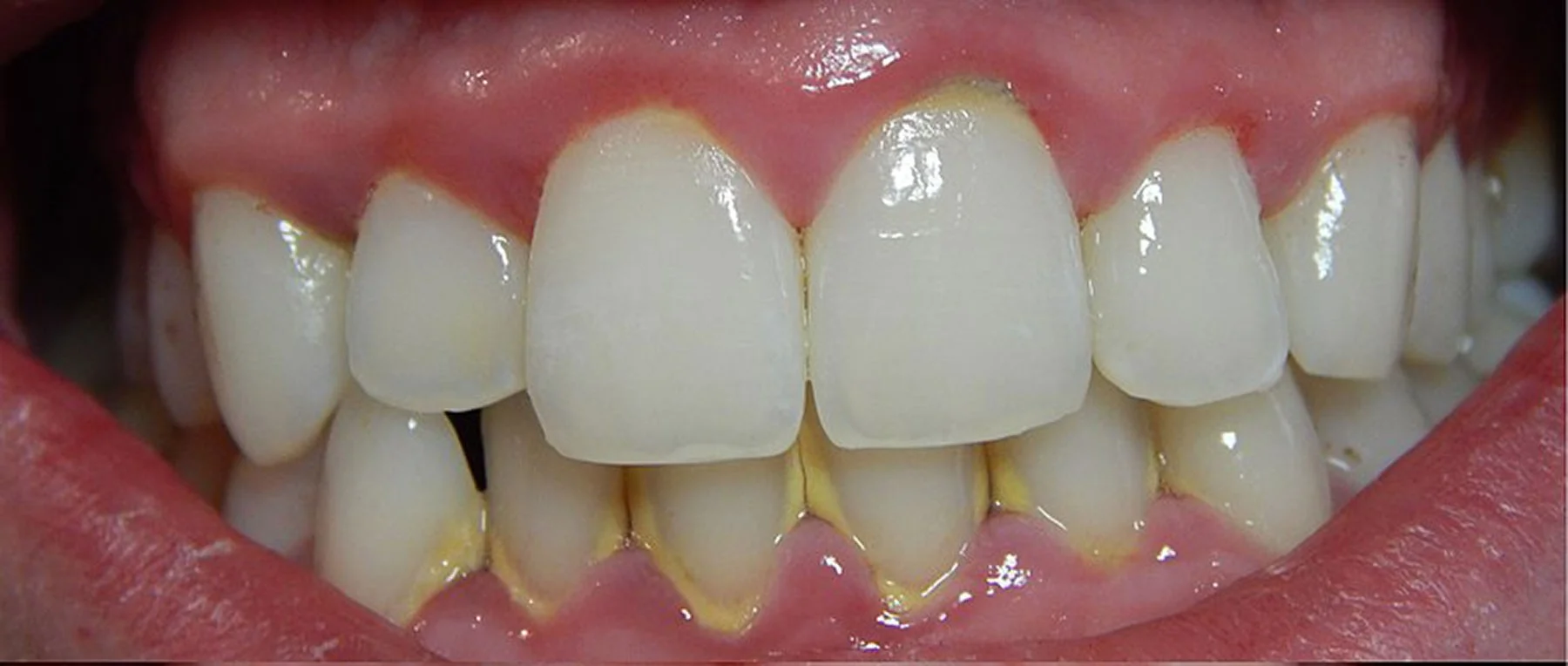
The presence of teeth and plaque together creates a chemical factory in your mouth. The bacteria in plaque thrive on the carbohydrates you eat. As they process these sugars, they release acid as a byproduct. This acid is the root cause of the two biggest threats to your oral health.
From Enamel Erosion to Cavities
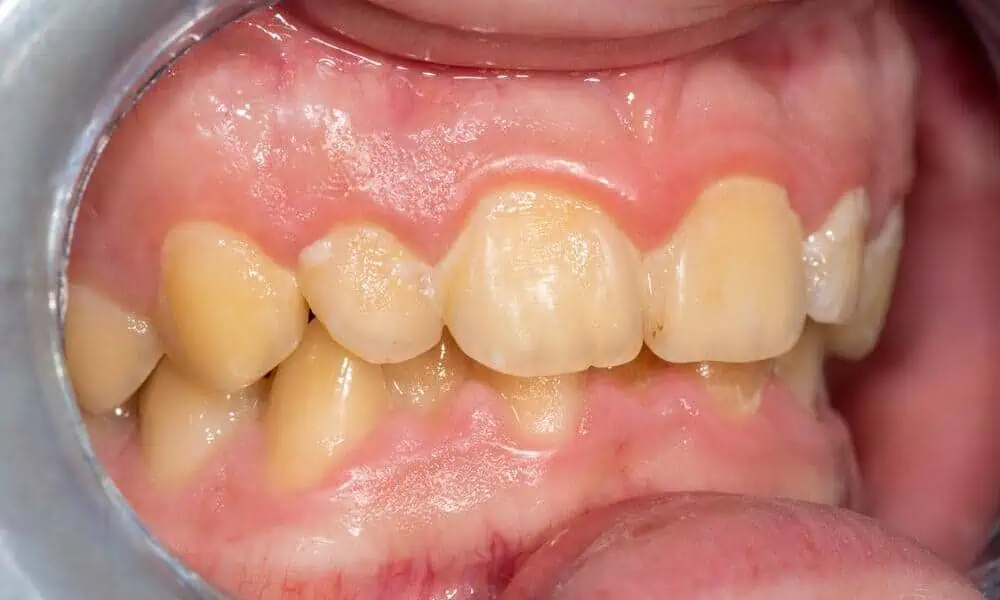
Tooth enamel is the hardest substance in the human body, but it is highly susceptible to acid. When plaque sits on the teeth, the acid it produces begins a process called demineralization. This literally leaches minerals out of your enamel, creating tiny holes. Over time, these holes grow larger, eventually forming a cavity. Yellow teeth and plaque often go hand-in-hand because as the enamel thins due to acid erosion, the yellowish dentin underneath becomes more visible.
The Road to Gingivitis and Periodontitis
Plaque doesn't just stay on the flat surfaces of your teeth; it loves to hide in the "sulcus" (the small gap where your tooth meets your gum). When bacteria accumulate here, they irritate the gum tissue, leading to gingivitis. This is the first stage of gum disease, characterized by redness and bleeding. If the plaque and tartar on teeth are not removed, the infection can spread deeper, destroying the bone and fibers that hold your teeth in place, a condition known as periodontitis.
Signs You Have Excess Plaque Buildup
Because it is often invisible, knowing how to get rid of plaque and tartar on teeth starts with recognizing the warning signs. You may be dealing with excessive buildup if you notice:
- The "Fuzzy" Feeling: Your teeth feel rough or coated, especially after meals or upon waking up.
- Persistent Bad Breath: Bacteria in plaque release sulfur compounds that cause a chronic unpleasant odor.
- Red or Bleeding Gums: If your gums bleed during brushing, it is a sign that plaque is causing inflammation.
- Visible Deposits: Darker stains or hard crusts between the teeth or along the gumline (this is tartar).
How to Remove Plaque from Teeth: At-Home Tips
Many people search for the best way to remove plaque and tartar from teeth, but it is important to manage expectations. You can remove plaque at home, but tartar requires a dentist. Here is the most effective protocol for daily dental plaque removal:
- The 2-2 Rule: Brush your teeth at least twice a day for a full two minutes. Ensure you reach the back surfaces and the gumline.
- Flossing is Non-Negotiable: A toothbrush cannot reach the 35% of tooth surfaces that are between the teeth. Flossing is the only way to disrupt plaque in these "hidden" zones.
- Choose the Right Tools: Using the best toothpaste for teeth whitening and plaque removal can provide a double benefit. Look for ingredients like stannous fluoride, which fights bacteria and helps prevent plaque from sticking to the enamel.
- The Role of Mouthwash: Antimicrobial rinses can help kill bacteria in areas that are hard to reach, though they are a supplement to, not a replacement for, brushing.
If you are looking for how to remove plaque and tartar from teeth at home, be wary of DIY "scaling" kits sold online. Attempting to scrape hard deposits yourself can cause permanent scratches in your enamel, which actually makes it easier for more plaque to attach in the future.
Why Professional Dental Cleaning is Essential
Even with perfect at-home habits, most people will develop some amount of tartar in hard-to-reach areas, such as behind the lower front teeth or way in the back. This is where professional dental cleaning becomes a medical necessity.
At DentPrime, we use specialized tools to perform scaling and polishing. Ultrasonic scalers use vibrations to gently shake tartar loose from the enamel without damaging the tooth. This is the only safe and effective way for how to remove plaque and tartar from teeth once mineralization has occurred. Furthermore, a professional cleaning includes a high-gloss polish that smooths out microscopic scratches in the enamel, making it much harder for new plaque to take hold.
Regular visits allow us to catch teeth and plaque issues before they turn into expensive emergencies like root canals or gum surgery.
Can You Prevent Plaque Entirely?
The short answer is no; you cannot stop plaque from forming because bacteria are a natural part of the human microbiome. However, you can prevent it from causing damage.
The best way to remove plaque and tartar from teeth is a combination of lifestyle and clinical care. Reducing your intake of sugary snacks and acidic sodas deprives bacteria of the "fuel" they need to produce acid. In 2026, many patients are also finding that incorporating xylitol-based products can help, as this natural sugar substitute prevents bacteria from sticking to the teeth.
By staying consistent with your hygiene and visiting DentPrime for your biannual professional dental cleaning, you can keep the "invisible threat" under control for a lifetime.
FAQ
Is plaque removal painful?
No. Daily plaque removal at home is completely painless. Professional tartar removal (scaling) at DentPrime is also designed to be comfortable. In 2026, we use ultrasonic tools and topical numbing gels if needed, ensuring a smooth, pain-free experience even for sensitive teeth.
How to remove plaque from teeth at home naturally?
While there is no "magic" natural solution, the best way to remove plaque and tartar from teeth naturally is through mechanical action. Brushing with a soft-bristled brush and using interdental cleaners are the most effective natural methods. Rinsing with water after meals can also help wash away food particles that feed plaque bacteria.
What happens if plaque is left untreated?
If teeth and plaque are neglected, the bacteria will eventually lead to tooth decay (cavities) and gum disease. Over time, untreated gum disease can cause the bone supporting your teeth to dissolve, leading to tooth loss and even systemic health issues like an increased risk of heart disease.
About the Author