





A bright smile rarely depends on toothpaste alone. Teeth Scaling is one of the most talked-about professional dental cleaning procedures because it focuses on removing hardened plaque and tartar that everyday brushing may miss. For many people, Teeth Scaling is not only associated with cleaner-looking teeth, but also with fresher breath, a smoother tooth surface, and a better understanding of long-term oral hygiene. At DentPrime, this topic matters because informed patients tend to make calmer, smarter, and more confident choices about their dental care.
Modern dentistry often emphasizes prevention over repair. That is where Teeth Scaling enters the conversation as a practical and widely recognized part of oral maintenance. While many people imagine it as a simple polishing session, the idea behind tartar removal is more layered. It connects with gum health, bacterial control, stain management, and the general condition of the mouth. Scientific literature in preventive dentistry has frequently highlighted the relationship between dental biofilm, mineralized deposits, and periodontal changes. In simple terms: when buildup remains in place for too long, the mouth may become a more complicated environment.
Table Of Contents
- What Is Teeth Scaling and Why Does It Matter?
- How Teeth Scaling Fits into Preventive Dental Care
- Signs That May Lead People to Consider Teeth Scaling
- What Happens During Teeth Scaling at a Dental Visit?
- The Science Behind Teeth Scaling and Gum Health
- Myths, Misconceptions, and Truths About Teeth Scaling
- How Daily Habits Support the Results of Teeth Scaling
- Why Teeth Scaling Remains a Smart Topic for Long-Term Oral Awareness
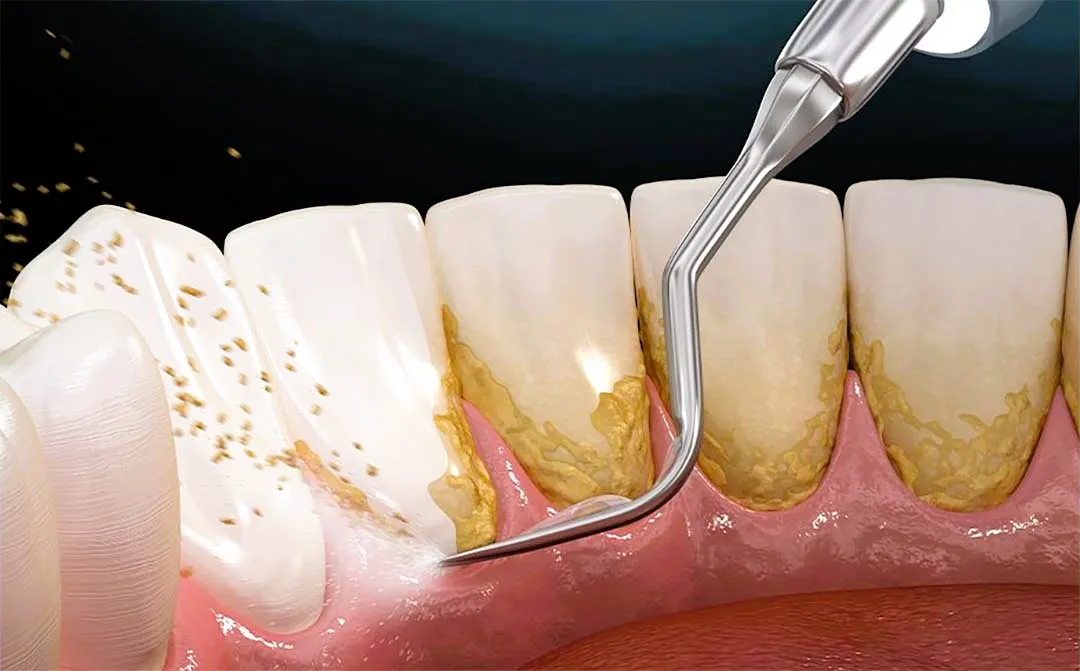
What Is Teeth Scaling and Why Does It Matter?
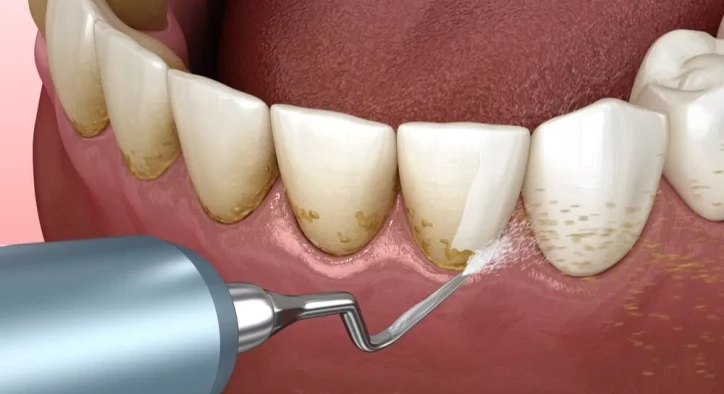
Teeth Scaling generally refers to the professional removal of plaque and tartar from the surface of the teeth, especially in areas that are difficult to clean at home. Plaque is a soft bacterial film that forms constantly. When it is not removed effectively, it can harden into tartar, also called calculus. Unlike fresh plaque, tartar does not usually disappear with routine brushing alone.
This makes professional scaling an important part of preventive oral care. The purpose is not purely cosmetic, although many people notice aesthetic improvements afterward. The deeper value lies in reducing the accumulation of substances that may contribute to gum irritation and oral discomfort over time. In many clinical discussions, tartar removal is linked with efforts to support healthier gums and maintain a cleaner oral environment.
From an NLP-friendly perspective, it helps to connect the term with its close semantic circle: dental scaling, tartar removal, plaque removal, professional teeth cleaning, gum care, and calculus cleaning. These expressions are often used in related search behavior. Together, they show that Teeth Scaling is not an isolated procedure, but part of a broader preventive dental strategy.
There is also a psychological side to it. People often feel more motivated to maintain oral hygiene after a professional cleaning session. A mouth that feels fresh and smooth can subtly encourage better habits. That may sound simple, yet behavioral studies in health communication often suggest that visible and sensory results can improve long-term engagement with self-care routines.
How Teeth Scaling Fits into Preventive Dental Care
Preventive dentistry works on a straightforward principle: it is generally easier to manage early buildup than to address advanced complications later. Teeth Scaling fits into this idea by targeting one of the most persistent challenges in oral care: hardened deposits along and around the gumline. These deposits can create a rough surface where bacteria tend to gather more easily.
Research in oral health has repeatedly pointed to the close relationship between bacterial biofilm and gum inflammation. This does not mean every person with tartar will face severe dental issues, but it helps explain why dental professionals often monitor buildup carefully. Professional cleaning methods such as Teeth Scaling are designed to reduce that burden and create a cleaner baseline for daily care.
A useful way to understand this is through a simple comparison:
Oral Care Element | At-Home Routine | Professional Support |
Plaque control | Brushing and flossing | Detailed plaque removal |
Tartar management | Usually limited | Teeth Scaling and calculus removal |
Stain reduction | Mild surface improvement | More effective cleaning of stubborn areas |
Gumline cleaning | Can be difficult | More precise and targeted |
Monitoring changes | Self-observation | Clinical assessment |
The table shows why home care and professional care are not competitors. They are partners. Daily brushing handles the ongoing cycle of plaque formation, while Teeth Scaling addresses what routine tools may no longer remove effectively.
Another important aspect is regularity. In oral health literature, continuity often matters more than intensity. In other words, one cleaning session is helpful, but long-term patterns are what shape outcomes. This is why discussions around preventive care often include not just treatment, but timing, consistency, and awareness.
Signs That May Lead People to Consider Teeth Scaling
Many people do not think about professional cleaning until they notice something unusual. Sometimes that means visible tartar near the gumline. Sometimes it is persistent bad breath, mild gum sensitivity, or a feeling that the teeth are not truly clean even after brushing. These signs do not automatically point to one specific issue, but they often lead people to ask whether Teeth Scaling might be relevant.
A common reason is discoloration or roughness on the teeth. It is important to note that not all stains are tartar, and not all tartar looks dramatic. Some deposits are yellowish, some brownish, and some hide in less visible spaces. Because of this, professional evaluation is usually what clarifies the situation. Still, from a patient’s perspective, the first clue is often sensory rather than clinical: “My teeth feel different.”
Some people consider professional plaque and tartar removal because of lifestyle factors. For example, coffee, tea, tobacco, or irregular flossing habits may contribute to more noticeable buildup. Orthodontic appliances can also make cleaning more challenging. In those situations, Teeth Scaling may become part of a broader effort to keep the mouth easier to manage.
Here are common observations that often raise questions about dental scaling:
- Visible tartar near the gums
- Teeth that feel rough or less smooth
- Ongoing concerns about breath freshness
- Gumline areas that seem difficult to clean
- Surface stains that remain despite brushing
- A long gap since the last professional cleaning
These signs are not a diagnosis. They are simply part of the real-life experience that often brings the subject of Teeth Scaling into focus.
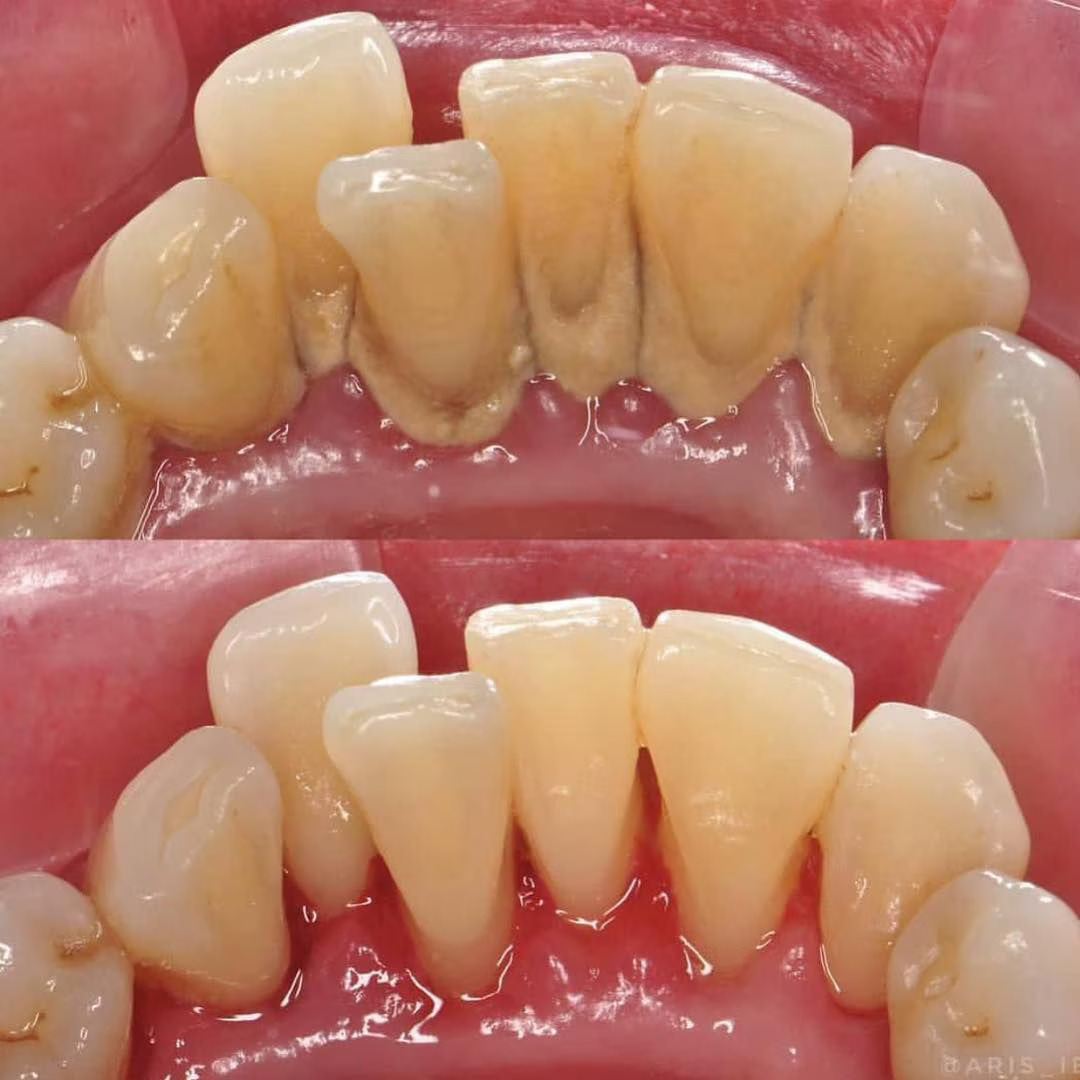
What Happens During Teeth Scaling at a Dental Visit?
For many patients, uncertainty is more stressful than the procedure itself. Understanding the process can make Teeth Scaling feel much less mysterious. In general, the appointment begins with a visual examination of the teeth and gums. The dental professional may look for plaque accumulation, tartar deposits, gum condition, and areas that seem harder to clean.
The cleaning itself may involve manual tools, ultrasonic devices, or a combination of both. Ultrasonic instruments use vibration and water to loosen and wash away buildup, while hand scalers may be used for detailed work in smaller areas. This combination is common because different types of deposits and tooth surfaces respond differently.
After the scaling phase, some appointments include polishing to smooth the tooth surfaces and reduce superficial stains. The smoother the surface, the less easily plaque may cling to it in the short term. In some contexts, this is discussed alongside prophylaxis or professional dental cleaning, though the exact approach can vary.
The experience is often described in practical terms:
- A scraping or vibrating sensation
- Water spray and suction
- Short pauses for rinsing
- Attention to gumline and tight spaces
People often wonder whether Teeth Scaling is painful. Experiences vary widely depending on sensitivity, gum condition, the amount of buildup, and personal comfort level. That is why descriptions should stay cautious rather than absolute. What matters most is that the procedure is a familiar part of routine dentistry, and many clinics adapt the experience according to patient needs and comfort.
The Science Behind Teeth Scaling and Gum Health
The scientific interest in Teeth Scaling comes largely from its relationship with periodontal health. The mouth is home to a complex microbial ecosystem. When biofilm accumulates and matures, it may shift in ways that are less favorable for gum tissues. Mineralized plaque, or tartar, provides a persistent surface where bacterial communities can continue to thrive.
This is why periodontal discussions often include debridement, plaque control, and professional cleaning. Removing the deposit does not sterilize the mouth, nor is that the goal. The goal is more realistic: to reduce accumulation, disrupt harmful patterns, and support a healthier balance in the oral environment. In research language, this is often framed as controlling risk factors rather than promising perfect outcomes.
A scientific but accessible way to think about it is this: the gumline is a border zone. It is where tooth structure, soft tissue, moisture, bacteria, and food debris constantly interact. Small changes in this zone can influence comfort, appearance, and cleanliness. Teeth Scaling focuses on making that border easier to maintain.
Some observational studies and clinical reviews have associated regular professional cleaning with better management of plaque-related conditions, especially when combined with strong home-care routines. However, it is important not to present these findings as one-size-fits-all certainty. Oral health is influenced by age, genetics, technique, diet, saliva, medical history, and habits. Teeth Scaling is best understood as one relevant piece in a larger picture.
Myths, Misconceptions, and Truths About Teeth Scaling
Few dental topics attract as many casual myths as Teeth Scaling. One common misunderstanding is that scaling “damages” the teeth by making them thinner. In reality, the purpose is to remove hardened buildup from the tooth surface, not to shave away healthy tooth structure. What some people feel afterward is the absence of tartar they had grown used to, which can make the teeth feel different or more exposed.
Another myth is that if your teeth look white enough, professional scaling is unnecessary. Appearance can be misleading. Tartar may form in less visible areas, especially behind the lower front teeth or around the molars. This means a smile can look fine in the mirror while still having hidden buildup.
There is also a belief that once tartar forms, mouthwash alone can solve it. Mouthwash may support freshness and hygiene in certain routines, but hardened calculus typically requires professional removal. This is one reason Teeth Scaling remains relevant even in an age of advanced home-care products.
Let us separate a few ideas clearly:
Myth | More Accurate View |
Scaling weakens teeth | It is intended to remove buildup, not healthy enamel |
White teeth mean clean teeth | Hidden tartar can exist without obvious discoloration |
Mouthwash removes tartar | Tartar usually needs professional cleaning |
One session solves everything forever | Ongoing care and habits still matter |
Only older adults need it | Buildup can affect different age groups |
These clarifications matter because misinformation often causes unnecessary delay. And in oral care, delay usually makes the conversation more complicated than it needs to be.
How Daily Habits Support the Results of Teeth Scaling
Professional care does not replace daily hygiene; it resets the stage for it. After Teeth Scaling, many people notice that their teeth feel smoother. That smoothness is not just satisfying it may also make it easier to recognize when fresh plaque starts to accumulate again. In that sense, the procedure can improve awareness as much as cleanliness.
Daily habits remain the central players. Toothbrushing, flossing or interdental cleaning, hydration, and mindful food choices all influence how quickly plaque returns and how firmly it settles. A professional cleaning may remove what has already hardened, but the oral environment continues to change every day.
Behavioral research often shows that routine beats intensity. A person with simple, consistent oral habits may do better over time than someone who uses many products irregularly. This is why the conversation around Teeth Scaling should not be reduced to a single appointment. It belongs in a long-term rhythm of dental maintenance.
At DentPrime, this broader perspective matters. Patients usually benefit most when they understand not only what dental scaling does, but also what it does not do. It does not freeze time. It does not eliminate all future buildup. What it can do is create a cleaner foundation from which good habits become more effective and more rewarding.
Why Teeth Scaling Remains a Smart Topic for Long-Term Oral Awareness
There is a reason Teeth Scaling continues to appear in oral health discussions, search trends, and patient questions. It sits at the crossroads of prevention, comfort, aesthetics, and gum care. It is practical, familiar, and backed by a clear logic: if hardened buildup contributes to an unhealthy oral environment, removing that buildup can support better maintenance.
What makes the topic especially important is not drama, but relevance. Most people will deal with plaque accumulation in some form throughout life. The question is not whether the mouth changes over time it does. The real question is how those changes are observed, managed, and understood. Professional tartar removal is one answer among several, but it is an important one.
For a brand like DentPrime, discussing Teeth Scaling is not just about describing a procedure. It is about helping readers navigate a common dental subject with more confidence and less confusion. Scientific understanding, practical awareness, and realistic expectations all belong in the same conversation.
In the end, healthy teeth are rarely the result of one dramatic action. They are usually the product of repeated, often unglamorous care. Teeth Scaling fits that story well. It is not flashy. It is not mysterious. But in the landscape of oral hygiene, it remains one of the clearest examples of how regular care can support a healthier, cleaner, and more comfortable smile over time.
About the Author