




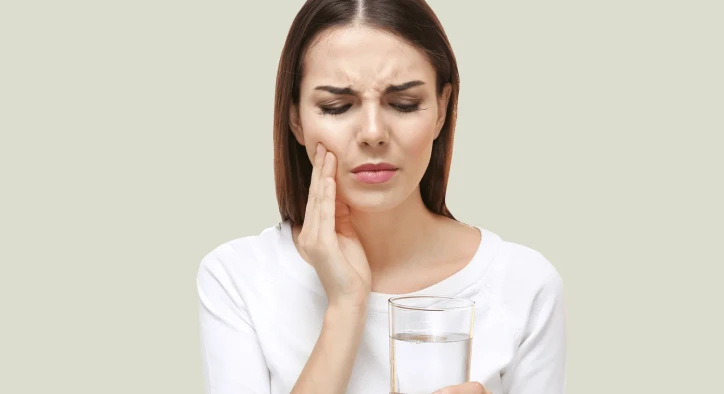

A sharp, shooting discomfort triggered by a cold drink or a breath of crisp winter air is one of the most common sensory disruptions reported in dentistry. This short, intense neural response is clinically classified as dentin hypersensitivity. When looking at your smile, understanding tooth sensitivity causes requires studying the microscopic relationship between the hard outer structures of your teeth and the living nerve tissue sitting deep inside.
Oral hypersensitivity is not a disease in itself; rather, it is a biological indicator that the protective outer layers of your teeth have thinned or pulled back. This guide explores the physics of nerve conduction, evaluates lifestyle choices, answers the common question of how to stop tooth sensitivity safely, and reviews advanced clinical treatments.
Table Of Contents
- What Are the Core Biophysical Tooth Sensitivity Causes?
- Differentiating Timelines: Sudden Tooth Sensitivity vs. Post-Procedural Adjustments
- Can Lifestyle Choice Alter Nerve Responses? Can Alcohol Cause Tooth Sensitivity?
- Clinical Care Protocols: Advanced Tooth Sensitivity Treatment
- Does Tooth Sensitivity Go Away?
- Frequently Asked Questions
What Are the Core Biophysical Tooth Sensitivity Causes?
To understand how a cold stimulus can trigger an immediate sharp pain, it helps to review the microscopic layout of a tooth. Healthy teeth feature a protective layer of enamel over the crown and a layer of cementum over the root structure. Directly underneath sits the dentin, a calcified matrix packed with millions of microscopic pathways known as dentinal tubules.
- [ EXTERNAL STIMULUS ] ── Cold Drink or Acidic Exposure ── Draws moisture from exposed surface
- [ EXPOSED DENTIN ] ───── Open Dentinal Tubules ────────── Rapid fluid movement inside pathways
- [ INTERNAL PULP CORE ] ── Nerve Fibers (A-Delta Type) ─── Fluid shift triggers immediate sharp ache
According to the internationally recognized Hydrodynamic Theory, these tubules are filled with a natural fluid. When you experience tooth sensitivity to cold, the sudden thermal drop causes this internal fluid to contract and shift rapidly inside the pathways.
This rapid fluid movement puts physical pressure on the delicate A delta nerve fibers located in the internal pulp core. The nerves perceive this pressure shift as an immediate, sharp flash of discomfort, sending a warning signal straight to your brain.
Differentiating Timelines: Sudden Tooth Sensitivity vs. Post-Procedural Adjustments

Discomfort can emerge gradually over several years or develop as a sudden reaction following routine dental work:
- Sudden Tooth Sensitivity: A flash of sudden tooth sensitivity that affects a single tooth is frequently triggered by an undetected micro fracture in the enamel, a loose filling, or subgingival decay expanding underneath old restorations. This structural breakdown allows cold liquids to bypass your protective enamel and travel straight into the inner tooth structure.
- Tooth Sensitivity After Filling: It is completely normal to experience temporary tooth sensitivity after filling placement or deep crown preparations. Preparing a cavity with high speed dental instruments causes minor thermal friction that can temporarily irritate the internal nerve pulp. This sensitivity is typical and resolves on its own over two to four weeks as the nerve naturally recovers.
- Tooth Sensitivity After Whitening: Patients frequently encounter acute tooth sensitivity after whitening sessions. Bleaching gels contain peroxide compounds that travel through the enamel matrix to break down dark pigments. This chemical process temporarily removes the natural mineral plugs inside your dentinal tubules, leaving the inner pathways exposed to temperature changes until your saliva naturally remineralizes the area.
Can Lifestyle Choice Alter Nerve Responses? Can Alcohol Cause Tooth Sensitivity?
When reviewing daily habits, patients often look at their diet and ask: "can alcohol cause tooth sensitivity?" While pure alcohol does not damage nerve tissue directly, frequent consumption of alcoholic beverages can weaken your enamel over time.
Most wines, mixed drinks, and beers are highly acidic. Regular exposure to these acids chemically dissolves the essential calcium and phosphate minerals from your tooth surfaces. This slow mineral loss, known as enamel erosion, strips away your protective outer layer and exposes the dentinal tubules beneath, causing your teeth to become highly sensitive to cold and hot temperatures.
Furthermore, if you are experiencing extreme tooth sensitivity, the high sugar content in mixed drinks can feed plaque bacteria, leading to localized inflammation along the gum line that leaves the roots exposed and painful.
Clinical Care Protocols: Advanced Tooth Sensitivity Treatment
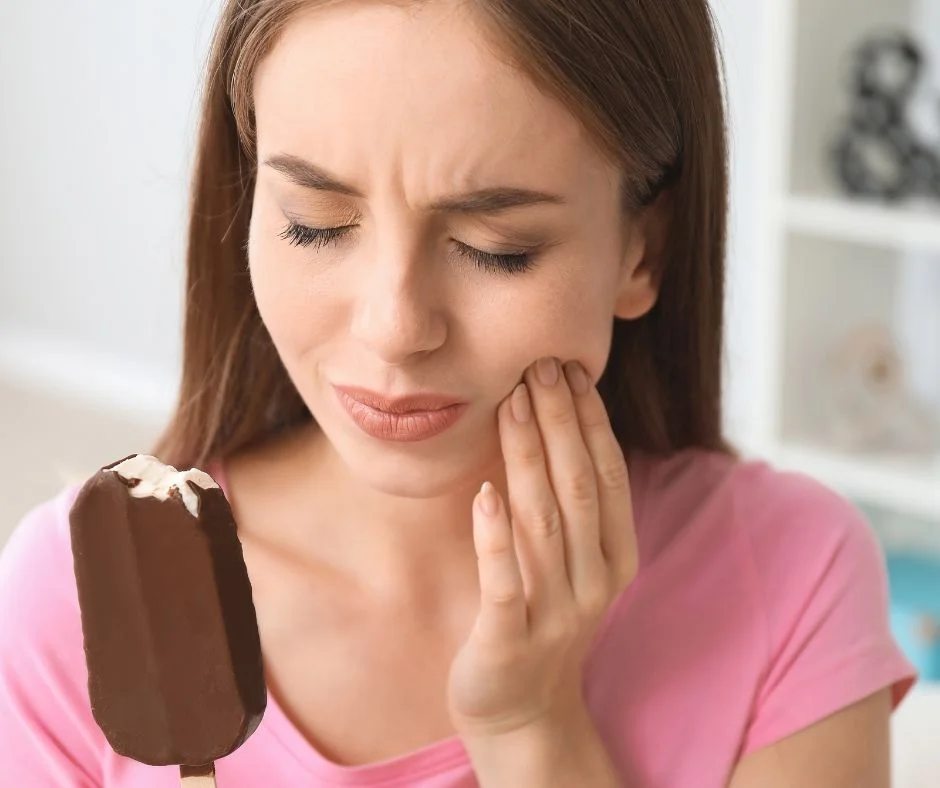
If you are dealing with persistent or severe discomfort, over the counter remedies may not provide enough relief. Achieving long term comfort requires targeted a tooth sensitivity treatment performed by a qualified cosmetic dentist:
1. Laser Powered Dentinal Tubule Occlusion
This modern, minimally invasive treatment provides immediate, long lasting relief. Your dentist applies a specialized desensitizing solution containing biocompatible minerals to the exposed dentin, then uses a precise laser light to fuse the minerals directly into the microscopic pathways. This fast process plugs the open tubules permanently, blocking fluid movement and stopping nerve pain instantly.
2. High Density Fluoride Varnishes and MI Paste®
For widespread sensitivity, your clinician can apply a highly concentrated, medical grade fluoride varnish directly onto your teeth. The fluoride binds with your natural enamel crystals to create a dense protective layer. This treatment is often combined with amorphous calcium phosphate pastes to rebuild thinned enamel and strengthen your natural defenses safely.
3. Premium Custom E-Max Veneers and Crowns
If your mineral loss is severe, or if your gums have pulled back significantly and exposed the roots of your teeth, surface coatings may not provide full relief.
In these advanced cases, placing custom milled E Max porcelain veneers or ultra thin zirconia crowns offers a permanent solution. These premium restorations sit flush with your natural gum line, completely covering exposed dentin and creating a beautiful, uniform smile that remains comfortable and protected for decades.
Does Tooth Sensitivity Go Away?
When planning your care, a common question is: "does tooth sensitivity go away on its own?" and "how long does tooth sensitivity last?" The clinical answer depends entirely on whether the underlying issue is temporary or permanent.
Type of Oral Discomfort | Average Duration | Primary Healing Progression & Guidelines |
Post-Bleaching Sensitivity | 48 to 72 hours | Enamel rehydrates; saliva naturally plugs open pathways |
Post-Filling Sensitivity | Two to four weeks | Nerve inflammation resolves; tooth builds protective dentin |
Exposed Roots from Gum Recession | Permanent if untreated | Requires clinical bonding, laser treatment, or custom veneers |
Deep Subgingival Decay | Expands continuously | Requires a root canal or extraction to remove infection |
Frequently Asked Questions
How to stop tooth sensitivity immediately at home?
To soothe sensitive nerves safely while waiting for your clinic appointment, switch to a desensitizing toothpaste containing potassium nitrate. Potassium ions travel down the tubules to block nerve transmission temporarily. Pair this with an ultra soft toothbrush, rinse with warm saltwater to calm your gums, and avoid cold, sugary, and highly acidic foods.
Why do my teeth hurt when I breathe in cold air?
When your teeth have exposed dentin or thinned enamel, breathing in cold air causes the fluid inside your dentinal tubules to shift rapidly due to the sudden temperature drop. This fast fluid movement puts direct pressure on your inner nerve fibers, triggering a sharp, shooting flash of pain.
Can a vitamin deficiency cause my teeth to become sensitive?
Yes, a severe lack of Vitamin D or calcium can prevent your teeth from maintaining optimal enamel density. Without these essential nutrients, your protective outer layer can thin more rapidly, leaving the inner dentin pathways exposed to daily temperature changes.
When is tooth sensitivity an indicator of a deep cavity?
You should treat sensitivity as a sign of deep decay if the pain changes from a brief flash into a lingering, throbbing ache that continues for several minutes after you finish your drink, or if the tooth hurts when you bite down. These symptoms mean the issue has reached the internal nerve pulp, requiring prompt professional attention.
About the Author