




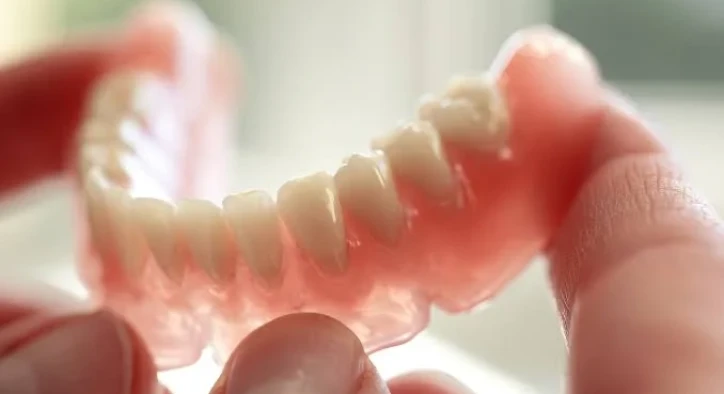

For patients suffering from total tooth loss or widespread terminal dental breakdown, traditional plastic removable dentures often present significant functional limitations. Slipping during chewing, bulky acrylic palates covering the roof of the mouth, and progressive jawbone resorption are major drawbacks of non-fixed prosthetics. In modern reconstructive implantology, the implementation of hybrid dentures represents a definitive solution that bridges the gap between conventional removable dentures and individual dental crowns.
By securing a rigid, custom-milled internal framework directly onto strategic titanium implant posts using micro-screws, clinicians can permanently restore an entire arch of functional teeth. This comprehensive clinical guide explores what are hybrid dentures, breaks down the underlying engineering of how do hybrid dentures with implants work, details the material types of hybrid dentures, evaluates the core differences in hybrid dentures vs implants, lists the major benefits of hybrid dentures, and provides a transparent cost breakdown for full mouth hybrid dentures.
Table Of Contents
- What Are Hybrid Dentures and How Do They Work with Implants?
- What Are the Main Material Types of Hybrid Dentures?
- Comparing Full-Arch Options: Hybrid Dentures vs Implants and Overdentures
- What Are the Key Benefits of Hybrid Dentures?
- Cost Analysis: How Much Do Hybrid Dentures Cost Globally?
- Frequently Asked Questions (FAQ)
What Are Hybrid Dentures and How Do They Work with Implants?
When evaluating advanced full-arch reconstruction options, answering what are hybrid dentures begins with their structural definition. A hybrid denture (often referred to as a fixed hybrid bridge or All-on-4/All-on-6 restoration) is a non-removable prosthetic teeth and gum appliance that is firmly anchored to dental implants.
To understand how do hybrid dentures with implants work, it helps to examine the multi-layer biological and mechanical assembly:
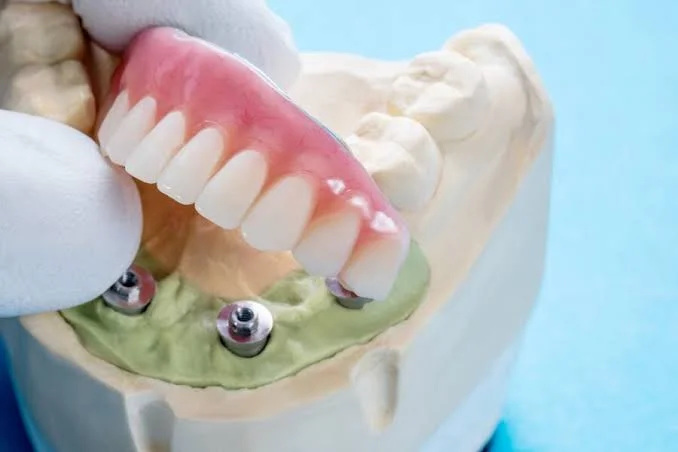
- [ TITANIUM IMPLANT POSTS ]: 4 to 6 implants surgically anchored into jawbone (Osseointegration)
- [ MULTI-UNIT ABUTMENTS ]: Precision angle-correcting connectors screwed into implant tops
- [ CAD/CAM INTERNAL BAR ]: Custom titanium or zirconia structural framework (Milled core)
- [ PROSTHETIC TEETH & GUM ]: Milled PMMA, composite, or monolithic zirconia superstructure
Unlike removable snap-on overdentures that patients take out at night, full mouth hybrid dentures are fixed permanently in place. Only a dental professional can unscrew and remove the restoration during routine bi-annual hygiene maintenance cleanings. Because the appliance is supported entirely by the implants rather than resting on soft gum tissue, it does not slip, rub, or cause painful pressure sores.
What Are the Main Material Types of Hybrid Dentures?
Modern dental laboratory technology offers several material configurations, allowing specialists to select the ideal option based on a patient's biting force, jawbone density, and cosmetic goals.
The primary types of hybrid dentures include:
- Acrylic / PMMA on Titanium Bar: The classic hybrid bridge design. It features a rigid, custom-milled titanium metal bar wrapped in pink acrylic with high-density PMMA prosthetic teeth. It is lightweight, offers excellent shock absorption during chewing, and is easy to repair chairside if an acrylic tooth chips.
- Nano-Composite on Titanium Framework: A refined evolution of the acrylic hybrid. High-strength micro-hybrid nano-composite resin is layered over a titanium core. It offers higher wear resistance than acrylic while remaining kinder to opposing natural teeth.
- Monolithic Zirconia Hybrid: The gold standard in modern prosthodontics. Milled out of a solid block of high-translucency zirconium dioxide, this option contains no acrylic base that can stain or fracture over time. Zirconia hybrids provide unmatched mechanical strength, exceptional stain resistance, and a lifelike, light-reflecting appearance.
Comparing Full-Arch Options: Hybrid Dentures vs Implants and Overdentures
When patients compare full-mouth rehabilitation choices, terms can become confusing. Analyzing hybrid dentures vs implants (single crowns) and removable overdentures highlights key mechanical trade-offs:
Clinical Parameter | Individual Implant Crowns | Fixed Hybrid Dentures | Removable Snap-On Overdentures |
Implant Count Required | 8 to 10+ per arch | 4 to 6 per arch (All-on-4 / All-on-6) | 2 to 4 per arch |
Palate & Gum Tissue | Recreates teeth only; no fake gum | Includes thin pink flange to replace lost bone/gum | Full acrylic base resting on gums |
Retention Method | Screwed/Cemented individually | Fixed (Screwed into implants permanently) | Removable (Snaps on/off daily) |
Chewing Efficiency | 100% (Matches natural teeth) | 90% to 95% (Near-natural biting power) | 60% to 70% (Moderate biting force) |
Bone Grafting Need | High (Requires extensive bone volume) | Low to Moderate (Angled implants bypass low bone) | Moderate |
For patients who have suffered significant jawbone shrinkage, single implant crowns are often impossible without extensive bone grafting. Fixed hybrid dentures are specifically designed to replace both missing teeth and collapsed pink gum tissue simultaneously.
What Are the Key Benefits of Hybrid Dentures?
Investigating the benefits of hybrid dentures explains why this treatment option maintains such high patient satisfaction ratings worldwide:
- Restored Chewing Efficiency: Allows patients to eat tough meats, firm fruits, and crunchy vegetables with confidence.
- Palate-Free Design: Unlike upper traditional dentures, hybrid restorations do not cover the roof of the mouth, completely restoring natural taste sensations and speech clarity.
- Jawbone Preservation: The direct transmission of chewing forces through the titanium implants into the jawbone stimulates bone cells, halting the facial collapse caused by missing tooth roots.
- Slim, Facial-Supporting Profile: Custom-designed pink porcelain or acrylic sections restore youthful lip and cheek support without feeling bulky or loose inside the mouth.
Cost Analysis: How Much Do Hybrid Dentures Cost Globally?
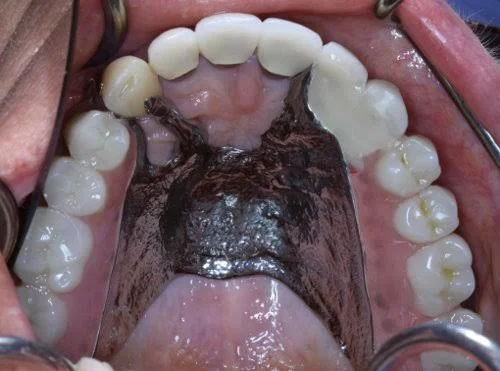
When researching how much do hybrid dentures cost, total fees depend on the number of implants required, the framework material selected (PMMA vs. Zirconia), and the geographic location of the dental center.
A breakdown of the average global hybrid dentures cost per single full arch reveals significant financial advantages for international medical tourists:
- United Kingdom & Western Europe: £10,000 to £16,000 per jaw for an acrylic-titanium hybrid, and £14,000 to £22,000 per jaw for a monolithic zirconia hybrid.
- United States: $18,000 to $30,000+ per arch.
- DentPrime Turkey Packages: By leveraging in-house CAD/CAM milling facilities and direct manufacturer partnerships, DentPrime delivers top-tier full-arch hybrid restorations (including 4–6 premium implants and fixed prosthetics) for £3,500 to £6,500 per arch.
Frequently Asked Questions (FAQ)
How do you clean hybrid dentures if they cannot be removed at home?
Daily hygiene requires brushing with a soft-bristled brush and non-abrasive toothpaste twice daily. Cleaning underneath the bridge is accomplished using a water flosser (irrigator) and specialized super-floss or interdental brushes to flush out trapped food particles.
Are hybrid dentures comfortable to wear?
Yes. Because they are firmly attached to jawbone implants, they feel and function remarkably like natural teeth. They do not shift, click, or rub against the sensitive oral mucosa.
What is the lifespan of a full mouth hybrid denture?
The underlying titanium implants are designed to last a lifetime with proper oral hygiene. The bridge superstructure can last 10 to 15 years for PMMA/acrylic materials before needing maintenance or relining, whereas monolithic zirconia frameworks can easily last 20 to 25+ years without structural wear.
Can a broken hybrid denture be repaired without surgery?
Yes. If an acrylic tooth or composite coating chips, a prosthodontist simply unscrews the restoration in the clinic, sends it to the laboratory for quick repair, and re-screws it back onto the implants, completely avoiding surgical intervention.
How long does the full hybrid denture treatment process take?
The surgical placement of implants and attachment of a fixed temporary bridge is often completed in 24 to 48 hours ("Teeth in a Day"). Final permanent zirconia or titanium-composite prosthetics are fabricated 3 to 6 months later, after complete bone integration (osseointegration).
About the Author