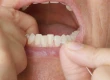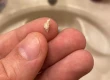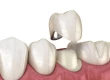




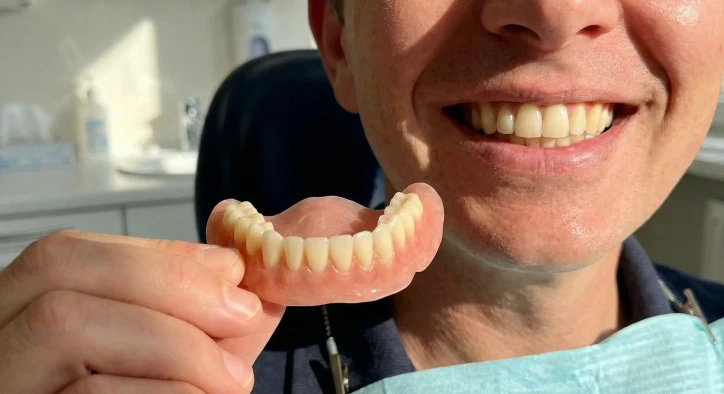

The immediate aesthetic and functional management of a sudden tooth loss requires an adaptable, non-invasive prosthetic solution. When evaluating temporary options following an extraction, trauma, or during dental implant healing, answering what is a flipper tooth is the primary step toward maintaining dental arch stability. A removable flipper tooth (clinically recognized as an acrylic removable partial denture) serves as a lightweight interim appliance that restores smile aesthetics while the underlying alveolar bone and soft tissues heal.
For patients navigating the transition toward a definitive restoration, practical daily concerns often arise regarding stability and comfort. Many wonder can you eat with a flipper tooth, inquire about safety concerns like can you sleep with a flipper tooth, and require clear clinical instructions on how to put in a flipper tooth. By utilizing a tissue-supported pink acrylic base with custom denture teeth, a front flipper tooth effectively prevents neighboring teeth from shifting into the empty space. This comprehensive clinical guide explores the biomechanics of a temporary flipper tooth, reviews daily handling protocols, assesses dietary management, and outlines long-term restorative transitions.
Table Of Contents
- What Is a Flipper Tooth and How Does It Function Biomechanically?
- Daily Functionality: Can You Eat with a Flipper Tooth?
- Step-by-Step Instructions: How to Put in a Flipper Tooth
- Nighttime Safety: Can You Sleep with a Flipper Tooth?
- Clinical Comparison: Flipper Tooth vs Definitive Restorative Options
- Frequently Asked Questions
What Is a Flipper Tooth and How Does It Function Biomechanically?
To understand how interim prosthetics maintain oral stability, explaining what is a flipper tooth requires analyzing its acrylic framework. A flipper is an acrylic resin plate that rests directly on the palate or lingual gingiva, holding one or more prosthetic teeth to replace missing dentition.
The structural and clinical mechanics follow a clear pathway:
- [ TOOTH EXTRACTION / LOSS ]: Immediate void created in dental arch
- [ ACRYLIC BASE FABRICATION ]: Tissue-borne plate customized to palate/alveolar contours
- [ FRICTIONAL FIT RETENTION ]: Acrylic borders or optional wire clasps grip adjacent teeth
- [ TRANSITORY HEALING STABILITY ]: Aesthetic gap filled while bone integrates beneath
Unlike fixed bridges or permanent dental implants that transfer biting forces directly to adjacent teeth or the jawbone, a removable flipper tooth is primarily tissue-borne. It relies on the suction of the palate or friction along neighboring teeth for retention. Because it contains no invasive metal substructure, it provides an affordable, quick-to-fabricate solution during surgical recovery phases.
Daily Functionality: Can You Eat with a Flipper Tooth?
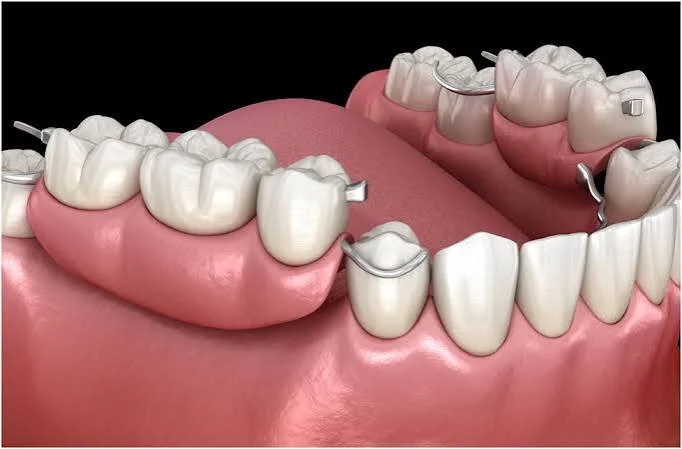
A critical question for every patient fitted with an interim appliance is: can you eat with a flipper tooth? While you can eat light meals, a temporary flipper tooth is designed primarily for aesthetics rather than heavy chewing.
Clinical dietary rules for flipper wearers include:
- Soft Food Selection: Stick to soft, easy-to-chew foods like pasta, scrambled eggs, fish, cooked vegetables, and yogurt during the initial adaptation period.
- Avoid Sticky and Hard Textures: Chewing gum, hard nuts, crusty bread, and tough meats can easily dislodge or fracture the thin acrylic base.
- Bite with Back Teeth: Do not use a front flipper tooth to bite directly into hard foods like whole apples or raw carrots, as anterior shear forces will flip the appliance out of place.
- Cut Food into Small Pieces: Slicing food into bite-sized portions minimizes the chewing workload and prevents excessive pressure on the healing extraction site.
Step-by-Step Instructions: How to Put in a Flipper Tooth
Learning how to put in a flipper tooth correctly prevents accidental damage to the delicate acrylic edges and avoids tissue irritation.
- [ RINSE APPLIANCE ]: Moisten with clean water for smooth insertion
- [ ALIGN WITH EDENTULOUS GAP ]: Position prosthetic tooth directly over space
- [ GENTLE FINGER PRESSURE ]: Press acrylic base firmly against roof of mouth/gums
- [ VERIFY SEATING ]: Never bite down to force the appliance into place
- Rinse Thoroughly: Wet the clean appliance with lukewarm water before placement to facilitate smooth gliding over oral mucosa.
- Align the Position: Look in a mirror and align the prosthetic tooth directly over the empty gap.
- Apply Gentle Finger Pressure: Use your index fingers and thumbs to push the acrylic base up against the palate (for upper teeth) or down onto the gum ridge (for lower teeth) until it snaps into place.
- Avoid Biting It In: Never bite down on the flipper to seat it. Forcing the appliance into position with your bite can snap the acrylic plate or break wire clasps.
Nighttime Safety: Can You Sleep with a Flipper Tooth?
A frequent patient inquiry is: can you sleep with a flipper tooth? From a clinical and safety perspective: You should never sleep with a flipper tooth in your mouth.
Key medical reasons to remove the appliance overnight:
- Choking Hazard: Because a flipper is small and lightweight, it can dislodge during sleep and present a serious risk of airway obstruction or swallowing.
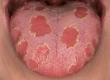
- Tissue Rest and Oxygenation: The underlying oral mucosa needs relief from physical pressure to prevent fungal infections like denture stomatitis (Candida albicans).
- Salivary Cleansing: Removing the appliance allows saliva to naturally wash over the gums, preventing bacterial plaque accumulation around adjacent natural teeth.
- Storage Protocol: Store your removable flipper tooth overnight in a dedicated denture container filled with clean water or a mild soaking solution to prevent the acrylic from drying out and warping.
Clinical Comparison: Flipper Tooth vs Definitive Restorative Options
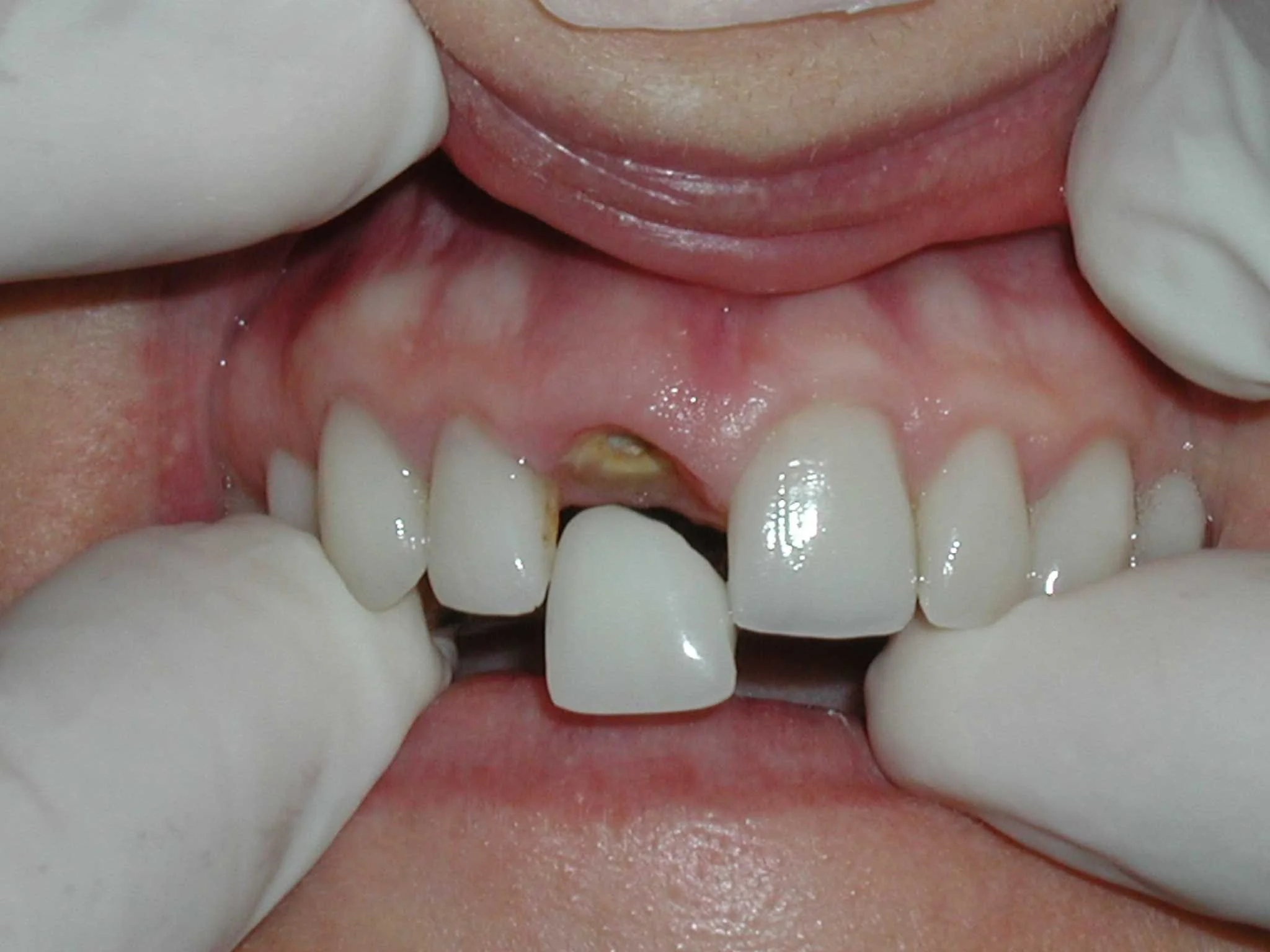
Evaluating an interim front flipper tooth against permanent tooth replacement methods demonstrates why flippers are intended strictly as temporary solutions.
Evaluation Metric | Temporary Flipper Tooth | Fixed Dental Bridge | Permanent Dental Implant |
Primary Function | Short-term aesthetic placeholder | Permanent fixed restoration | Permanent bone-anchored tooth |
Chewing Capability | Limited; light, soft foods only | High; normal chewing restored | Maximum; full natural bite force |
Bone Preservation | None; bone slowly resorbs underneath | None; bone resorbs under pontic | Active; prevents jawbone resorption |
Invasiveness | 100% non-invasive; zero tooth prep | Invasive; adjacent teeth ground down | Minor surgical placement into bone |
Frequently Asked Questions
How long can you wear a temporary flipper tooth?
A temporary flipper tooth is designed for short-term use, typically between a few weeks and 6 to 12 months, while an extraction socket heals or a dental implant integrates into the jawbone. Wearing a flipper for years without dental supervision can lead to gum recession, chronic tissue inflammation, and shifting of neighboring teeth.
What should you do if your flipper tooth feels loose?
If your flipper tooth feels loose, do not attempt to bend the acrylic base or metal wire clasps yourself with pliers, as this can easily fracture the appliance. Visit your dentist, who can adjust the clasps or add a thin layer of cold-cure acrylic to reline the base and restore a secure fit.
How do you clean and maintain a removable flipper tooth?
Clean your removable flipper tooth daily by removing it after meals and gently brushing it with a soft-bristled denture brush using mild, non-abrasive liquid soap or clean water. Avoid regular abrasive toothpaste, which scratches the acrylic surface and creates microscopic grooves where bacteria and stains can accumulate.
Can a flipper tooth break easily?
Yes. Acrylic resin is relatively brittle compared to metal-based partial dentures or zirconia bridges. Dropping your flipper onto a hard sink surface during cleaning or biting directly into hard foods can crack the pink plate or snap the prosthetic tooth off the base.
Is it normal to have trouble speaking with a new flipper tooth?
Yes. Having an acrylic plate covering part of the palate or tongue space can temporarily cause a minor lisp or excess salivation for the first few days. Reading aloud or practicing pronunciation for 10 to 15 minutes a day will help your tongue adapt to the appliance within 48 to 72 hours.
O autorovi