





A Dental Bridge is one of the most conservative ways to replace a missing tooth, and among its modern variations, the Maryland design stands out for its minimal preparation and aesthetic appeal. But how long will a Maryland Dental Bridge last, and what factors truly influence its longevity? At DentPrime, we approach this question with a balance of clinical insight, research-based interpretation, and practical patient experience.
Table Of Contents
- What Is a Maryland Dental Bridge and How Does This Dental Bridge Work?
- How Long Does a Maryland Dental Bridge Typically Last?
- Factors That Affect Dental Bridge Longevity
- Maryland Dental Bridge vs Traditional Dental Bridge: A Comparative Overview
- Benefits of Choosing a Maryland Dental Bridge
- Caring for Your Dental Bridge for Maximum Longevity
- Is a Maryland Dental Bridge a Long Term Solution?
- Scientific Perspective on Adhesive Dental Bridge Performance
- Setting Realistic Expectations for Your Dental Bridge
What Is a Maryland Dental Bridge and How Does This Dental Bridge Work?
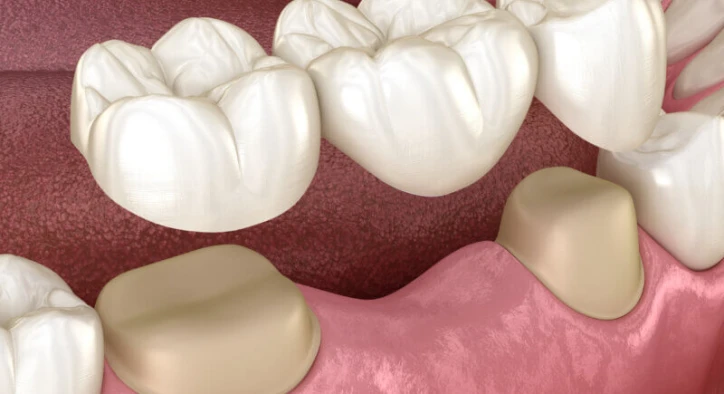
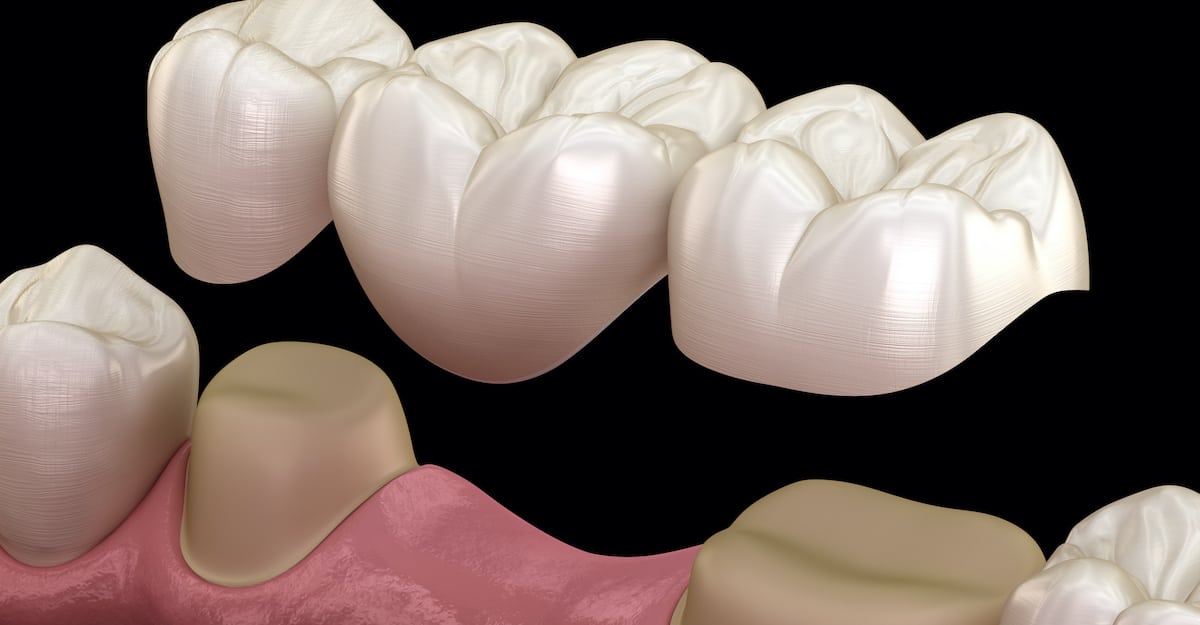
A Maryland Dental Bridge is a resin bonded prosthesis designed to replace a single missing tooth. Unlike a traditional Dental Bridge, which typically requires significant reshaping of adjacent teeth, the Maryland version relies on metal or ceramic wings bonded to the back of neighboring teeth.
This conservative approach preserves more natural enamel. Instead of full coverage crowns, the supporting teeth act as anchors through adhesive technology. Because enamel bonding is strongest when enamel remains intact, this design can provide reliable retention under the right conditions.
From a biomechanical perspective, the success of a Dental Bridge depends on proper case selection. Maryland restorations are most often used for missing front teeth, where biting forces are lower than in molar regions. Research in restorative dentistry suggests that careful adhesive protocols and modern bonding agents have significantly improved outcomes compared to earlier generations.
How Long Does a Maryland Dental Bridge Typically Last?
The lifespan of a Maryland Dental Bridge varies. Clinical observations and longitudinal studies suggest that many resin bonded restorations function successfully for 5 to 10 years, and in some cases longer. However, longevity is rarely defined by a single number.
Several elements influence durability:
- Quality of bonding procedure
- Patient bite alignment
- Oral hygiene habits
- Material selection
- Location of the missing tooth
A well designed Dental Bridge placed in an ideal bite environment may remain stable for many years. Conversely, excessive biting forces or parafunctional habits such as clenching may increase the risk of debonding.
It is important to clarify that Maryland restorations often fail not by fracture, but by loss of adhesion. Interestingly, debonding does not necessarily mean permanent failure. In many cases, rebonding is possible, which extends the functional life of the prosthesis.
Factors That Affect Dental Bridge Longevity
The performance of a Dental Bridge is influenced by both biological and mechanical factors. Understanding these elements helps set realistic expectations.
1. Enamel Quality
Bond strength is highest when sufficient enamel is present. If enamel has been heavily restored or eroded, adhesive retention may be reduced.
2. Occlusal Forces
Front teeth experience less pressure than molars. For this reason, a Maryland Dental Bridge is often recommended for anterior cases.
3. Oral Hygiene
Plaque accumulation around the metal or ceramic wings can affect gum health. Healthy gum tissue supports long term success.
4. Material Choice
Modern zirconia and fiber reinforced materials offer improved strength compared to older metal frameworks. Advances in adhesive dentistry have also improved outcomes.
5. Professional Technique
Precise isolation, correct bonding protocol, and accurate fit significantly influence the success of a Dental Bridge.
Maryland Dental Bridge vs Traditional Dental Bridge: A Comparative Overview
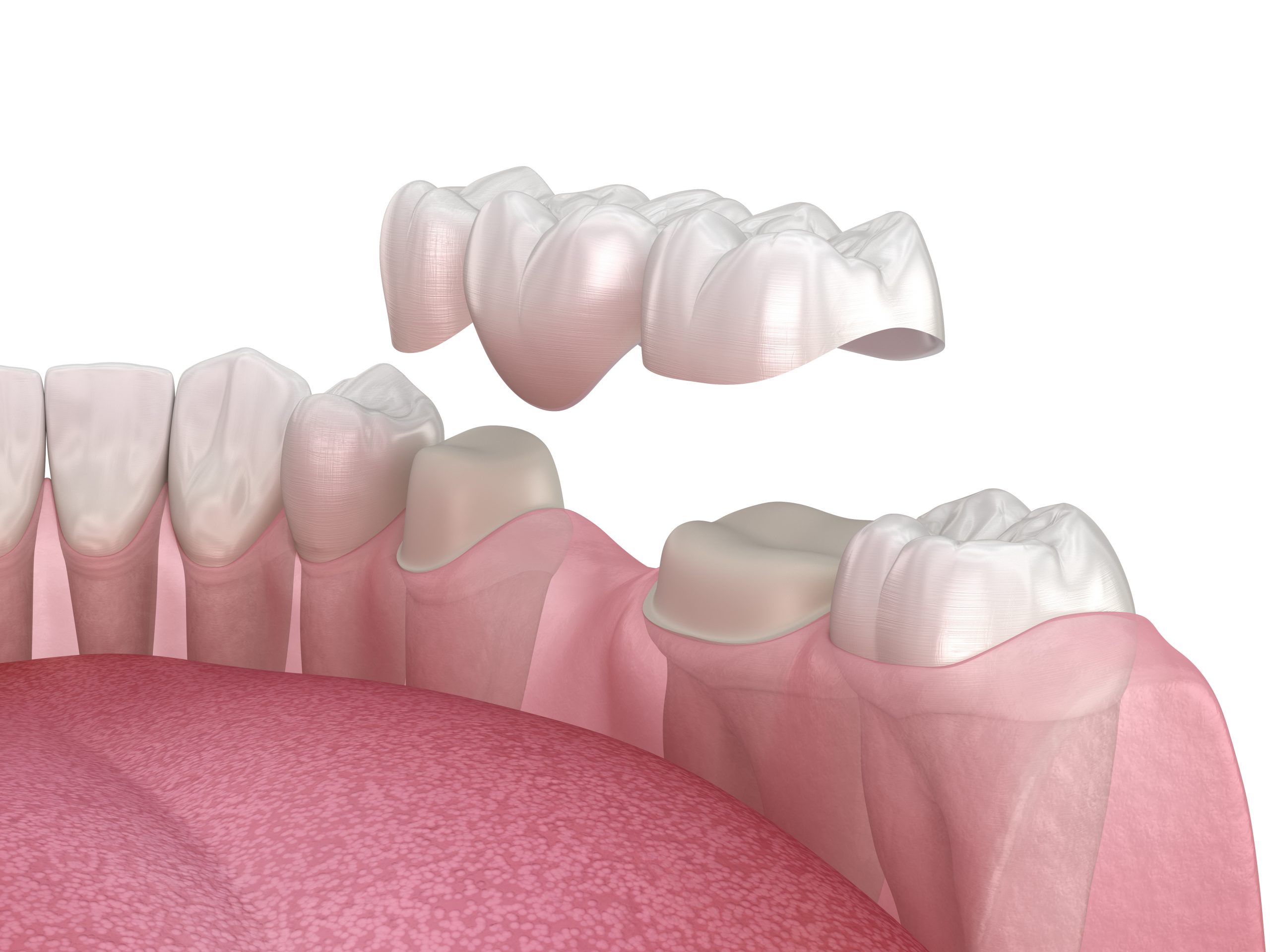
When comparing a Maryland Dental Bridge with a conventional fixed Dental Bridge, the main difference lies in tooth preparation and retention method.
Feature | Maryland Dental Bridge | Traditional Dental Bridge |
Tooth Preparation | Minimal | Significant reduction |
Retention | Adhesive bonding | Full coverage crowns |
Aesthetic Outcome | Highly natural | Highly natural |
Risk of Debonding | Moderate | Low |
Longevity | 5 to 10+ years | 10 to 15+ years |
While a traditional Dental Bridge may offer stronger mechanical retention, it requires irreversible enamel removal. The Maryland alternative prioritizes conservation of tooth structure.
From a patient centered perspective, the decision often depends on clinical conditions, aesthetic priorities, and long term planning.
Benefits of Choosing a Maryland Dental Bridge
A Maryland Dental Bridge offers several distinct advantages:
- Conservative tooth preparation
- Shorter treatment duration
- Lower biological impact
- Reversible design in many cases
- Natural appearance
Because the supporting teeth remain largely intact, the procedure aligns with minimally invasive dentistry principles. Preserving enamel supports long term oral health strategies.
Another benefit is psychological comfort. Many individuals prefer solutions that avoid surgical procedures. Compared to implants, a Dental Bridge of the Maryland type does not require bone integration or extended healing time.
Caring for Your Dental Bridge for Maximum Longevity
Although a Dental Bridge does not require surgical aftercare, maintenance plays a central role in its durability. Good hygiene reduces inflammation around the abutment teeth.
Recommended maintenance strategies include:
- Gentle but thorough brushing twice daily
- Use of floss threaders or interdental brushes
- Regular professional cleanings
- Monitoring bite alignment over time
Patients sometimes assume that because a Maryland Dental Bridge is bonded, it is immune to movement. In reality, adhesives are strong but not indestructible. Avoiding excessive force, such as biting hard objects, may reduce the risk of debonding.
Scientific literature indicates that patient education significantly increases the functional lifespan of adhesive restorations. Awareness leads to better protective habits.
Is a Maryland Dental Bridge a Long Term Solution?
Whether a Dental Bridge is considered long term depends on perspective. In restorative dentistry, longevity is influenced by evolving technology and individual biological factors.
For young patients who may consider implant therapy later in life, a Maryland Dental Bridge can function as an excellent interim or medium term solution. For others, it may serve as a stable long term restoration when conditions are favorable.
Importantly, dentistry rarely offers permanent guarantees. Instead, it offers predictable outcomes within biological variability. A properly maintained Dental Bridge may exceed average survival statistics, particularly when placed under optimal conditions.
Scientific Perspective on Adhesive Dental Bridge Performance
Modern adhesive dentistry is grounded in evidence based protocols. Studies published in prosthodontic and restorative journals highlight survival rates that improve significantly with proper enamel bonding and careful case selection.
One recurring theme in research is that anterior resin bonded restorations demonstrate higher survival rates than posterior cases. This supports the clinical preference for using a Maryland Dental Bridge in low stress areas.
Another interesting insight involves rebonding success. Many debonded restorations can be reattached without compromising long term performance, suggesting that failure does not always mean replacement.
Setting Realistic Expectations for Your Dental Bridge
A Maryland Dental Bridge represents a thoughtful balance between conservation, aesthetics, and functionality. While average survival ranges are often cited between five and ten years, actual longevity depends on biological factors, material science, and patient habits.
At DentPrime, treatment planning focuses on individualized evaluation rather than universal promises. A Dental Bridge should be viewed as part of a broader oral health strategy, not an isolated procedure.
When carefully selected and properly maintained, a Maryland Dental Bridge can provide reliable aesthetic and functional benefits while preserving natural tooth structure. Understanding both its strengths and limitations empowers patients to make informed decisions.
About the Author