





Bleeding during flossing can feel alarming, especially if it happens frequently. Many people search for answers when Gums Bleed during their oral care routine, wondering whether it is normal or a sign of something more serious. In most situations, occasional bleeding may simply reflect irritation or a change in dental habits, but persistent bleeding can sometimes point to underlying gum conditions.
When Gums Bleed during flossing, the reason is often related to the delicate tissue surrounding the teeth. The gums contain a dense network of small blood vessels that respond quickly to inflammation, plaque buildup, or mechanical pressure. Because of this sensitivity, even small disruptions in oral hygiene patterns can lead to temporary bleeding.
Dental professionals often emphasize that bleeding gums are not necessarily rare. In fact, surveys and oral health reports frequently mention that many adults experience episodes where Gums Bleed while brushing or flossing. Understanding the possible causes, contributing factors, and available treatment approaches can help people better interpret what their gums might be trying to communicate.
Table Of Contents
What Happens When Gums Bleed During Flossing?
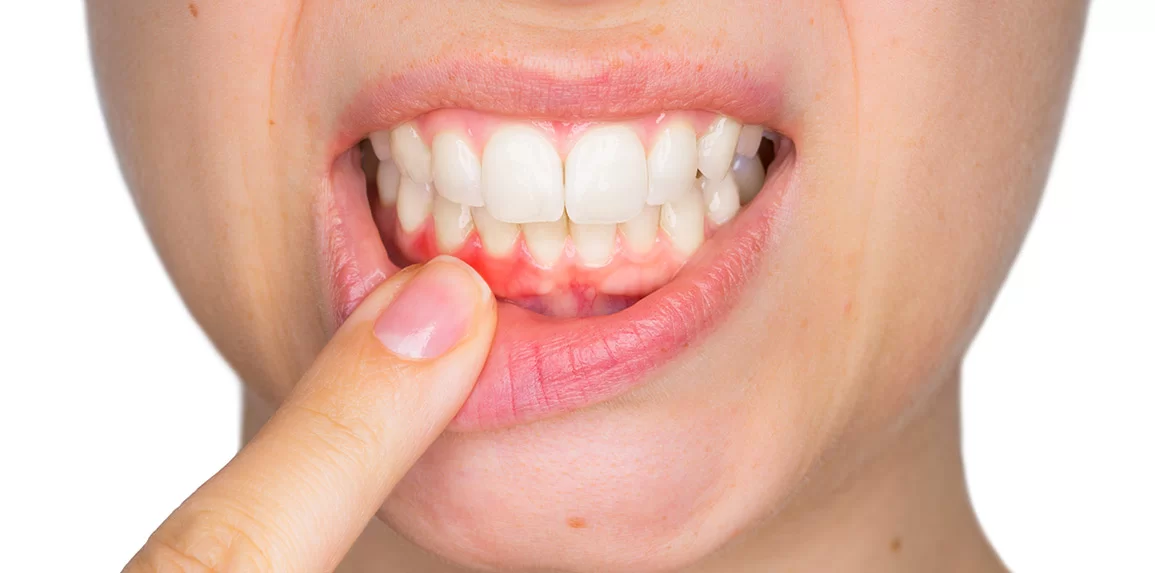
When Gums Bleed during flossing, the immediate cause is usually small capillaries within the gum tissue breaking due to inflammation or pressure. Healthy gums are generally firm and resilient, but when irritated, they become softer and more prone to bleeding.
This inflammation often begins when plaque accumulates around the gumline. Plaque is a sticky biofilm composed of bacteria, food particles, and saliva proteins. As this layer matures, bacteria release compounds that can irritate the gum tissue, leading to redness, swelling, and bleeding.
When floss passes between teeth, it may disrupt inflamed tissue that is already fragile. In such cases, even gentle flossing may trigger a small amount of blood. Dental studies frequently describe this as an early sign of gingival irritation rather than a definitive disease state.
Researchers studying oral microbiology have also observed that certain bacterial species thrive in plaque environments and contribute to inflammatory responses. These microorganisms produce enzymes and toxins that may weaken the connective tissue around the teeth, making it easier for the gums to bleed during routine hygiene.
Common Causes Behind Gums Bleed
Several factors can contribute to why Gums Bleed, especially during flossing. While the exact cause may vary from person to person, dental research has identified several common triggers.
Key contributing factors include:
Potential Cause | Explanation |
Plaque accumulation | Bacterial plaque irritates gum tissue and may cause inflammation |
Early-stage gum inflammation often associated with bleeding | |
Aggressive flossing | Applying excessive pressure may irritate delicate tissues |
New flossing routine | Gums may temporarily react when flossing begins after a long gap |
Nutritional imbalance | Some vitamin deficiencies are sometimes associated with gum sensitivity |
One of the most widely discussed reasons Gums Bleed is gingivitis, an early inflammatory condition of the gums. Gingivitis occurs when plaque remains on teeth long enough to irritate the surrounding tissues.
Another commonly noted factor is flossing technique. If floss is snapped sharply against the gumline instead of gently guided, the tissue may become irritated and bleed. Dental hygiene instructions often emphasize a controlled, curved flossing motion rather than forceful movement.
Lifestyle patterns may also influence gum health. Smoking habits, dietary choices, and stress levels have all been discussed in oral health research as factors that could potentially influence how gums respond to bacteria and inflammation.
Early Gum Inflammation and Why Gums Bleed
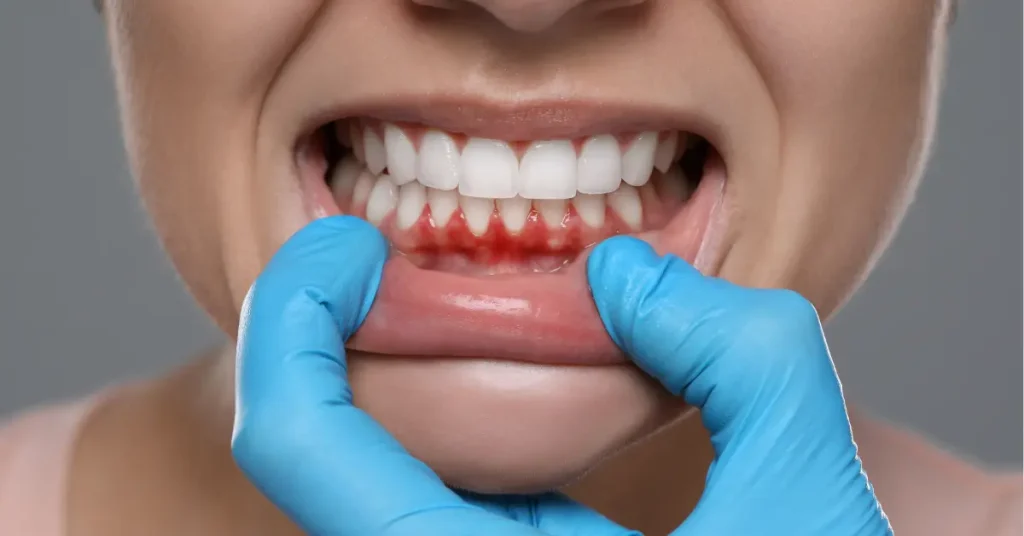
One of the earliest biological responses in gum tissue is inflammation. When Gums Bleed, it can sometimes reflect the body’s immune system reacting to bacterial activity near the gumline.
The immune response involves increased blood flow to the affected tissue. This process delivers immune cells that attempt to neutralize harmful bacteria. However, this increased circulation can also make the gums appear red and swollen.
Inflamed gums often become more delicate because the connective tissue structure temporarily changes during the inflammatory process. As a result, flossing or brushing may disturb these fragile tissues and lead to bleeding.
Some dental researchers describe this phase as reversible gingival inflammation. If plaque accumulation is reduced and oral hygiene improves, the tissue may gradually return to a healthier state. However, if irritation persists over time, inflammation could progress further into deeper structures around the teeth.
The Role of Oral Hygiene in Gums Bleed
Oral hygiene routines play a significant role in whether Gums Bleed during flossing. Interestingly, bleeding can sometimes occur when someone first begins flossing regularly after a long break.
When flossing is reintroduced, it may disrupt plaque and bacteria that have accumulated between teeth. This disturbance can temporarily irritate the gums and trigger mild bleeding. Over time, consistent cleaning often reduces bacterial buildup, which may decrease irritation.
Dentists often explain that flossing helps remove plaque from areas a toothbrush cannot easily reach. These tight spaces between teeth are common locations where bacteria accumulate. When plaque remains undisturbed, it can harden into tartar, which may further irritate gum tissue.
Maintaining a consistent routine that includes brushing, flossing, and professional dental visits may help keep plaque levels lower. However, individual responses vary, and gum sensitivity can differ depending on many biological factors.
Other Health Factors Linked to Bleeding Gums
Beyond oral hygiene, several systemic factors have been explored in relation to why Gums Bleed. Gum tissue is highly vascularized, meaning it contains many small blood vessels that respond to overall body health.
Some research has examined connections between gum health and nutritional intake. For example, historical studies have noted that vitamin deficiencies, particularly those related to connective tissue maintenance, may influence gum resilience.
Hormonal changes have also been discussed in dental literature. Fluctuations during life stages such as pregnancy or adolescence may alter how gum tissue responds to plaque and inflammation.
Additionally, certain medications can influence gum tissue responses. Drugs that affect blood clotting, immune responses, or saliva production have sometimes been linked with increased gum sensitivity in clinical observations.
It is important to note that the presence of bleeding gums alone does not automatically indicate a specific condition. Instead, it is often considered one possible signal among many that dentists evaluate when assessing oral health.
How Dental Professionals Evaluate Bleeding Gums
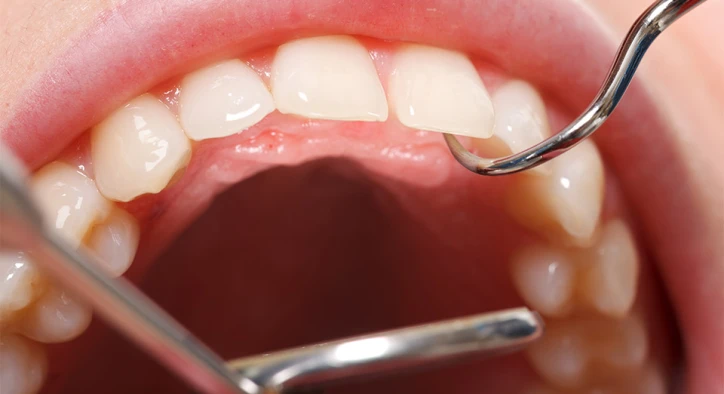
When patients report that Gums Bleed, dental professionals usually begin with a comprehensive oral examination. This assessment typically includes visual inspection of the gums, measurement of gum pocket depth, and evaluation of plaque accumulation.
Dentists may also look for signs such as:
- Gum redness or swelling
- Plaque or tartar buildup near the gumline
- Changes in gum contour
- Sensitivity during dental probing
These observations help professionals determine whether bleeding is related to simple irritation, gingivitis, or other gum conditions.
Dental imaging may sometimes be used to observe the structures supporting the teeth. While X-rays primarily show bone levels rather than soft tissue, they can provide useful context when assessing gum health.
According to many dental associations, regular examinations allow professionals to detect early signs of gum inflammation before more advanced changes occur.
Approaches That May Help Reduce Gum Bleeding
Although the experience of Gums Bleed can be unsettling, dental literature often emphasizes that understanding contributing factors is the first step toward improvement.
Several approaches are commonly discussed in oral health education:
- Maintaining consistent brushing and flossing routines
- Using gentle flossing techniques
- Scheduling routine dental checkups
- Monitoring plaque accumulation around the gumline
Professional dental cleaning may also play a role in removing hardened plaque deposits that cannot be removed through regular brushing alone.
Dental professionals frequently explain that gum tissue has the potential to recover when sources of irritation are reduced. However, the timeline for improvement may vary depending on the level of inflammation and individual oral health patterns.
DentPrime’s dental team often highlights that observing changes in gum behavior over time can provide useful insights into oral health trends.
Experiencing moments when Gums Bleed during flossing is relatively common and can occur for several reasons. From plaque buildup and gingival inflammation to flossing technique and biological factors, the causes are often multifaceted.
Understanding why Gums Bleed requires looking at the interaction between oral bacteria, gum tissue, and daily hygiene habits. While occasional bleeding may simply reflect temporary irritation, persistent symptoms can signal that the gums are responding to underlying conditions.
Exploring these possibilities allows individuals to better interpret what their oral health might be communicating. By paying attention to gum behavior and maintaining consistent dental care routines, people can gain a clearer perspective on the factors that influence gum health over time.
DentPrime continues to encourage awareness about gum health, emphasizing that early observation and regular dental assessments play an important role in understanding the complex dynamics behind bleeding gums.
About the Author