





Dental procedures are rarely anyone’s favorite topic, yet Tooth Extraction remains one of the most searched and discussed treatments in modern dentistry. While many removals are straightforward, a difficult Tooth Extraction can influence not only the immediate socket but also the jawbone, surrounding tissues, and overall oral balance. Understanding what makes a Tooth Extraction complex, how it affects oral structures, and what changes may follow can help patients approach the process with clarity rather than concern.
Table Of Contents
- What Makes a Tooth Extraction Difficult
- How Tooth Extraction Influences Jawbone Structure
- Tissue Healing After Tooth Extraction
- Effects of Tooth Extraction on Bite and Alignment
- Nerve Sensitivity and Sinus Considerations in Tooth Extraction
- Psychological and Functional Impacts of Tooth Extraction
- Comparing Simple and Surgical Tooth Extraction Outcomes
- Long Term Oral Health After Tooth Extraction
What Makes a Tooth Extraction Difficult
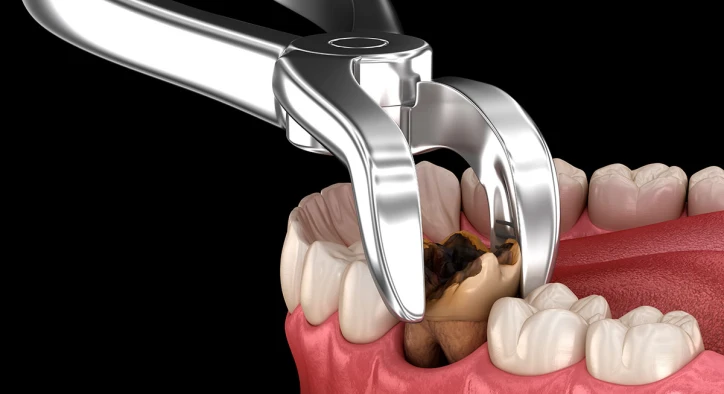
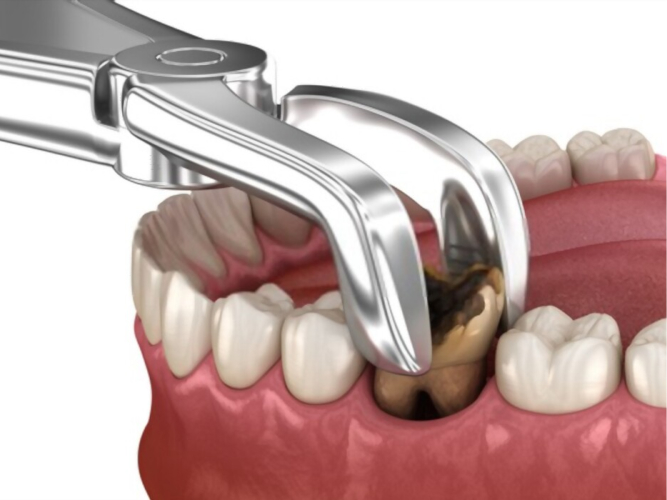
Not every Tooth Extraction is created equal. Some teeth loosen easily with minimal pressure, while others resist removal due to deep roots, curved anatomy, or limited surgical access. Dentists often describe these cases as complex or surgical extractions.
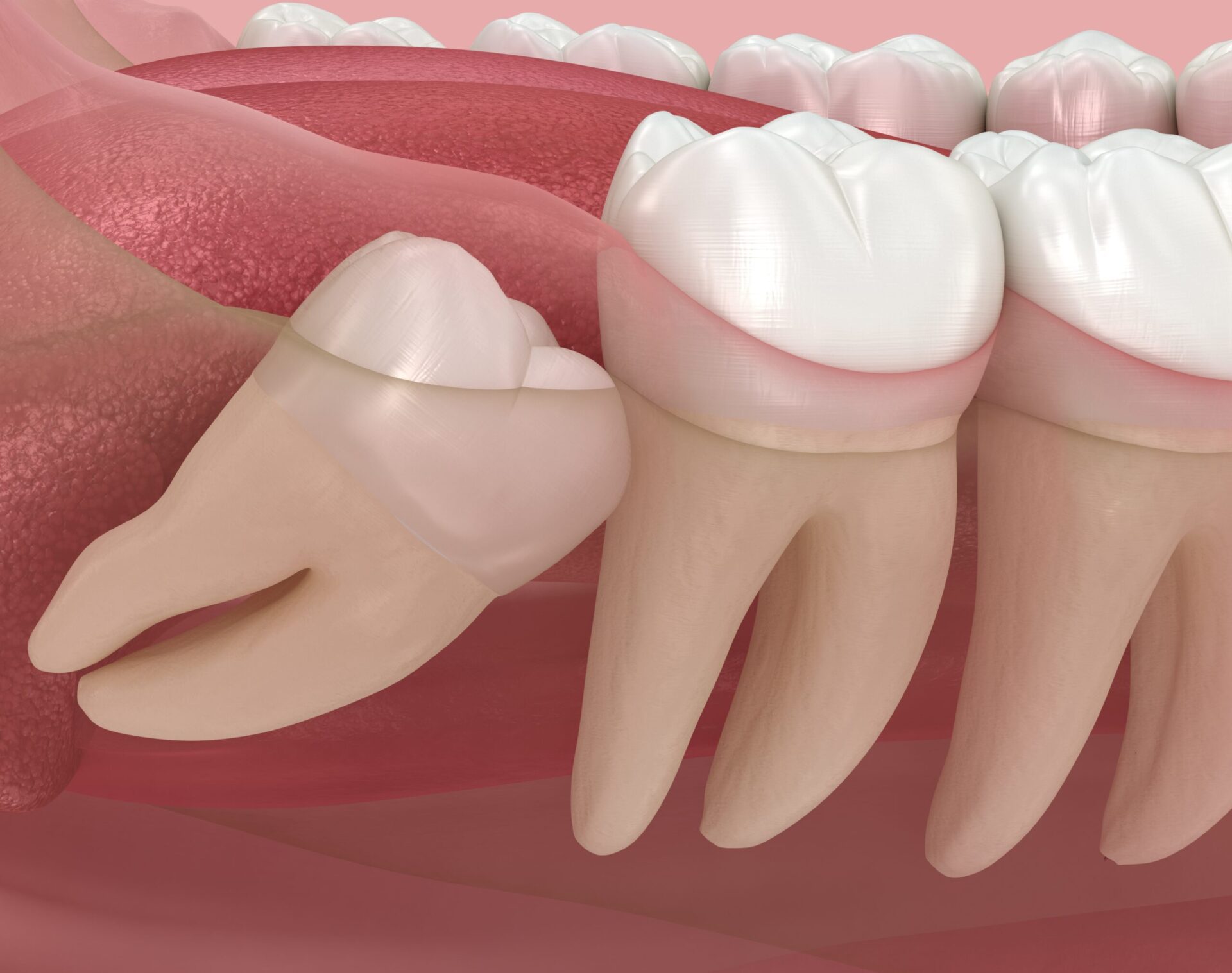
A difficult Tooth Extraction may involve impacted wisdom teeth, fractured crowns, or teeth that sit close to nerves and sinuses. In these situations, the practitioner may need to section the tooth, remove small amounts of bone, or use advanced tools. The procedure becomes less about pulling and more about carefully managing surrounding tissues.
From a biological perspective, the difficulty often relates to root morphology and bone density. Thick cortical bone or multi rooted molars increase resistance. This transforms a simple Tooth Extraction into a more delicate intervention that requires planning and precision.
How Tooth Extraction Influences Jawbone Structure
The jaw is dynamic tissue. It responds constantly to pressure from chewing and the presence of teeth. After a Tooth Extraction, that stimulation decreases, which may gradually influence bone density.
Researchers frequently observe that the alveolar ridge begins remodeling within weeks of a Tooth Extraction. Bone resorption is part of normal healing. The body removes unused bone while reshaping the area for stability. This process is natural but can subtly change facial contours over time.
In more difficult cases, surgical manipulation during Tooth Extraction may temporarily increase inflammation. Swelling and micro trauma can accelerate remodeling. While most changes are minor, understanding the biology explains why dentists monitor the area closely after a Tooth Extraction.
Tissue Healing After Tooth Extraction
Healing after Tooth Extraction follows a fascinating sequence. First, a clot forms to protect the socket. Then connective tissue replaces the clot, followed by early bone formation. This cascade reflects the body’s remarkable repair system.
When the Tooth Extraction is complex, healing may take slightly longer because the area has experienced more manipulation. The surrounding gum tissue must reorganize, and microscopic blood vessels rebuild. This is not a problem, simply a reflection of greater surgical involvement.
Interestingly, studies suggest that oxygenation and gentle mechanical stability improve recovery. After a Tooth Extraction, the mouth essentially constructs new architecture from scratch, layering cells and minerals in stages. Observing this process highlights how adaptable oral tissues truly are.
Effects of Tooth Extraction on Bite and Alignment
Teeth behave like neighbors in a crowded street. Remove one and others may slowly shift. Following Tooth Extraction, adjacent teeth sometimes tilt or drift into the empty space.
This movement is not immediate. Instead, gradual micro shifts occur as chewing forces redistribute. Over months or years, spacing changes may affect the bite. That is why dental professionals often evaluate long term planning after a Tooth Extraction.
Complex or posterior Tooth Extraction cases can influence molar balance more noticeably. When back teeth are removed, chewing loads redistribute unevenly. The mouth adapts, but the biomechanics change. Understanding this helps explain why replacement options are sometimes discussed after Tooth Extraction.
Nerve Sensitivity and Sinus Considerations in Tooth Extraction
Anatomy matters greatly during Tooth Extraction. Upper molars sit close to the sinus floor, and lower molars lie near sensory nerves. In difficult cases, proximity to these structures requires extra caution.
A carefully performed Tooth Extraction usually avoids complications, yet temporary sensations such as pressure or tingling may occur as tissues recover. These experiences reflect the sensitivity of nearby anatomical pathways rather than damage.
From a scientific standpoint, nerves are resilient. After Tooth Extraction, they often recalibrate as swelling subsides. The body’s feedback system gradually normalizes. This adaptability demonstrates how interconnected oral structures are during and after Tooth Extraction.
Psychological and Functional Impacts of Tooth Extraction
Beyond biology, Tooth Extraction also influences perception. Some people worry about chewing, speaking, or smiling differently. These concerns are natural and part of the adjustment period.
Functionally, most individuals adapt quickly after a Tooth Extraction. The tongue, cheeks, and remaining teeth compensate with subtle changes. Human neuromuscular systems are surprisingly flexible, allowing speech and chewing patterns to remain efficient.
Emotionally, knowledge helps. Understanding what happens during Tooth Extraction and why certain sensations occur reduces uncertainty. Education transforms the experience from mysterious to manageable, making Tooth Extraction less intimidating.
Comparing Simple and Surgical Tooth Extraction Outcomes
The distinction between simple and surgical Tooth Extraction is often discussed in dental literature. Both aim for the same outcome, yet the path differs.
Below is a simplified comparison:
Feature | Simple Tooth Extraction | Surgical Tooth Extraction |
Access | Visible tooth | Impacted or broken tooth |
Tools | Forceps and elevator | Incision and sectioning |
Tissue impact | Minimal | Moderate |
Healing pace | Faster | Slightly longer |
Monitoring | Routine | More detailed |
Even with these differences, the biological endpoint remains similar. After any Tooth Extraction, the body moves through predictable healing stages. Complexity changes technique, not the fundamental repair process.
Long Term Oral Health After Tooth Extraction
Long term outcomes after Tooth Extraction depend on many variables such as oral hygiene, bone quality, and overall health. The mouth is an ecosystem, and each element influences the others.
Over time, the site of a Tooth Extraction stabilizes. Bone remodels, gum tissue seals, and the area becomes part of the normal oral landscape. Many people forget the procedure ever occurred.
However, awareness remains useful. Monitoring bite alignment, gum condition, and adjacent teeth helps maintain harmony after Tooth Extraction. Dentistry today emphasizes observation and prevention rather than reaction, making every Tooth Extraction part of a broader oral strategy.
A difficult Tooth Extraction is more than a brief clinical event. It is a biological transition that affects bone, tissue, and function in subtle yet fascinating ways. From jaw remodeling to alignment changes, the mouth continuously adapts after Tooth Extraction.
When viewed through a scientific lens, the process reveals the resilience of oral anatomy. Healing is structured, predictable, and surprisingly elegant. By understanding what happens before, during, and after Tooth Extraction, patients can approach the experience with informed confidence rather than uncertainty.
Prepared and published by DentPrime, where evidence based dentistry meets patient centered communication.
About the Author