




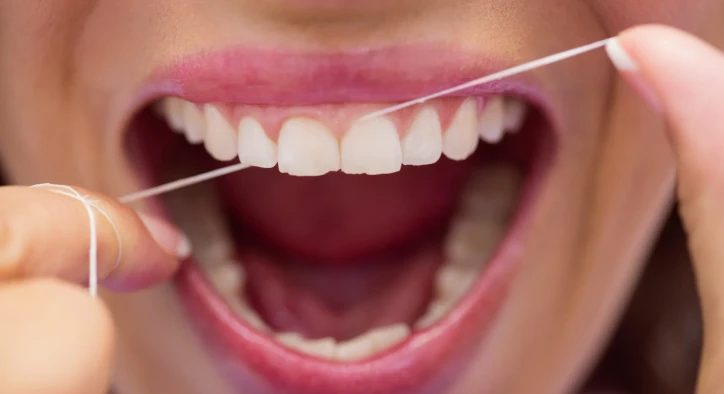

Maintaining an immaculate smile requires looking far beyond the visible surfaces of your teeth. Standard toothbrushes, regardless of their bristle design or sonic technology, can only access approximately 60% of your enamel surfaces. The remaining 40% lies hidden within the interdental spaces, where adjacent teeth press tightly against each other.
These contact points and the subgingival zones beneath the gum line are primary collection zones for microscopic plaque, sticky food residues, and harmful anaerobic bacteria. If left undisturbed, this accumulation triggers localized demineralization, interproximal cavities, and chronic gum disease (periodontitis).
Using a premium dental floss is not a secondary addition to brushing; it is a vital clinical step required to disrupt the bacterial biofilm and preserve the structural health of your smile. This comprehensive guide outlines the structural science behind various flossing materials, provides detailed step-by-step instructions, and helps you select the best interdental tools for your unique anatomy.
Table Of Contents
The Importance of Using Dental Floss for Between Teeth
When you skip flossing, you leave behind an active, expanding bacterial colony between your teeth. The bacteria within interdental plaque consume dietary sugars and release acidic byproducts that slowly dissolve the protective minerals of your enamel. Because these areas are hidden from view, interproximal cavities often expand quietly, going unnoticed until they reach the sensitive internal dentin or nerve tissue.
Furthermore, plaque accumulation at the gum line triggers an immune response known as gingivitis. This condition presents as swollen, bleeding gums and bad breath. If the bacterial biofilm is not regularly cleared away using physical flossing thread, the soft plaque will eventually absorb minerals from your saliva, hardening into a stone-like substance called tartar. Tartar can only be removed by a dental professional using ultrasonic instruments.
How to Choose the Best Dental Floss?
Modern dental technology has introduced a variety of materials designed to navigate different tooth alignments, tight spacing, and gum sensitivity profiles. Selecting the best dental floss depends heavily on your specific oral anatomy.
1. Traditional Waxed Dental Floss
Crafted from multiple woven nylon strands, waxed dental floss is coated with a light, non-toxic petroleum or plant-based wax layer. This coating significantly reduces friction, allowing the thread to slide smoothly between closely positioned teeth without shredding or tearing. It is an excellent choice for individuals with standard tooth alignment and minimal spacing issues.
2. High-Tech Expanding Dental Floss
For individuals with irregular spacing, mild gum recession, or wider gaps between their teeth, expanding dental floss offers an exceptionally effective solution. This advanced fiber is texturized during manufacturing. As it encounters moisture and saliva in the mouth, the thread physically expands into a softer, thicker ribbon. This expanding motion allows the fibers to gently sweep across irregular surfaces, cleaning away plaque biomass from wide gaps with superior efficiency.
3. Monofilament Floss (PTFE)
Made from a single strand of polytetrafluoroethylene, monofilament thread is virtually unbreakable. Because it consists of a single sleek ribbon rather than multiple woven fibers, it slides effortlessly through the tightest contact zones without catching or fraying. It is highly recommended as the best dental floss for tight teeth or complex dental work.
What Are The Different Types Of Dental Floss?
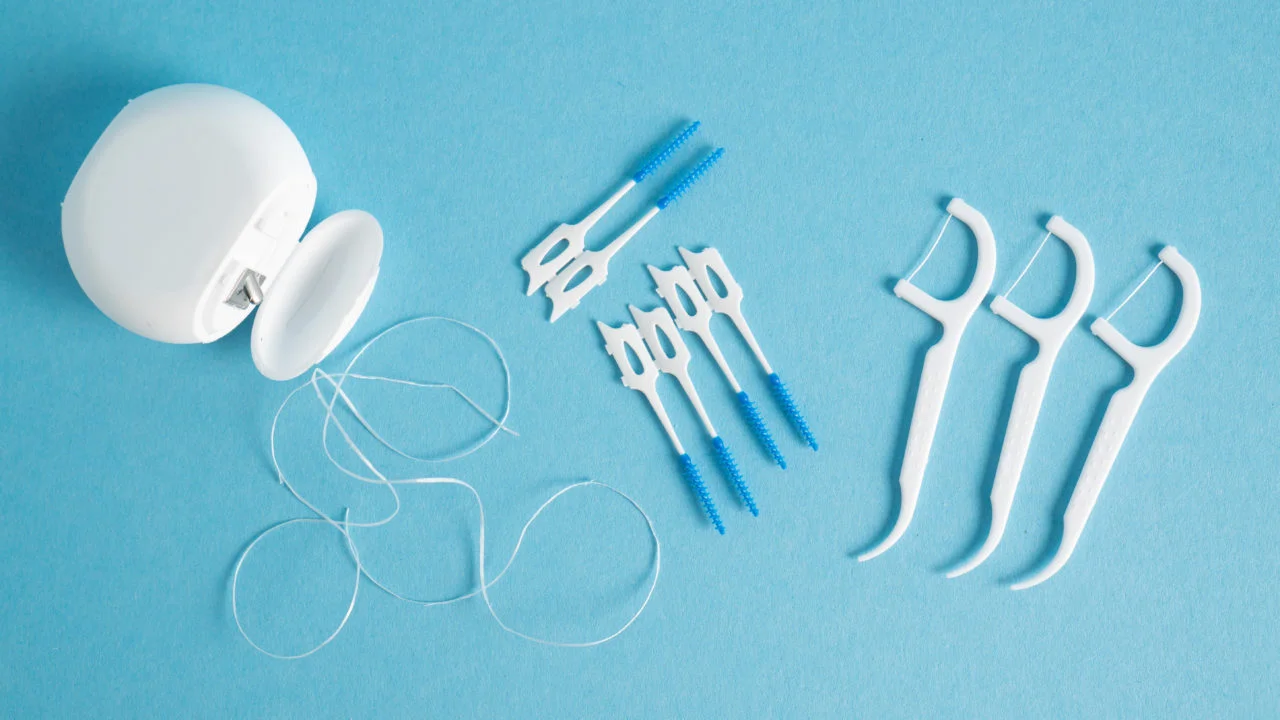
While using loose thread wrapped around your fingers is the standard method, specialized tools can make the process much easier for individuals with limited dexterity, busy lifestyles, or active orthodontic appliances.
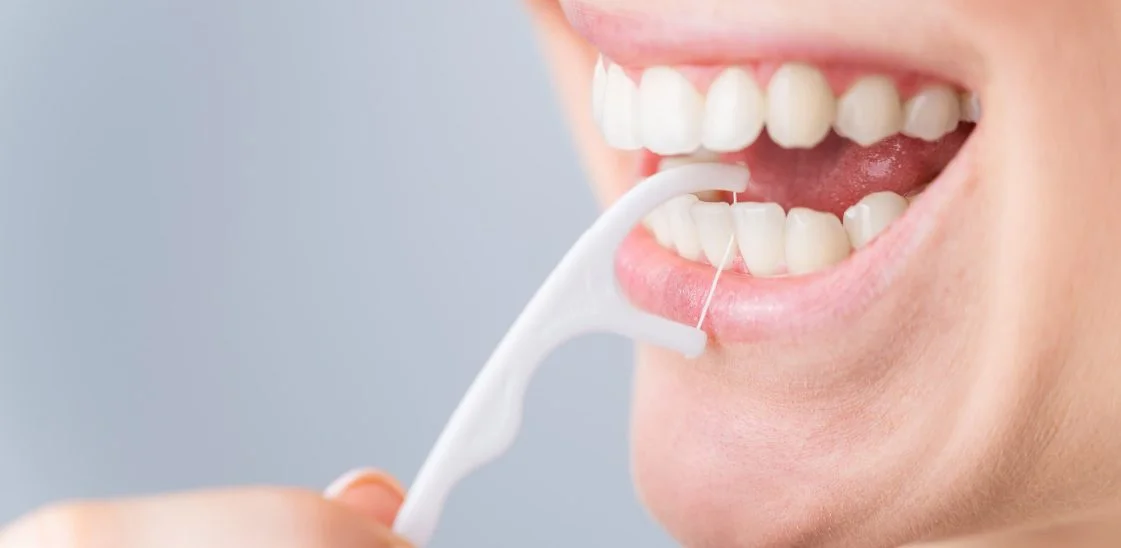
- Dental Floss Picks & Handles: A disposable dental floss pick features a pre-tensioned segment of high-strength thread secured across a small plastic fork. Using a dental floss pick or reusable handle allows you to navigate the back of your mouth easily with one hand, making it a highly accessible choice for daily care.
- Dental Floss Sticks: Often featuring dual threads or texturized tape, dental floss sticks are excellent for quick, convenient cleanups after meals when you are on the go.
- The Dental Floss Brush Integration: For individuals with wide spaces, dental bridges, or orthodontic braces, combining standard floss with an interdental dental floss brush ensures thorough coverage. The small, pine-tree-shaped bristles clear out large debris, while the floss strand cleans the tight subgingival boundaries.
Step-by-Step Guide: How to Use Dental Floss Correctly?
Learning how to use dental floss with proper technique is essential to clean your teeth effectively without accidentally injuring your delicate gum tissue.
Step 1: The Proper Length Protocol
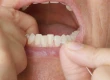
Dispense approximately 45 centimeters (18 inches) of thread from your floss container. Wrap the majority of the floss securely around your middle fingers, leaving a clean, taut 5-centimeter segment of working thread exposed between your thumbs and index fingers.
Step 2: The Controlled Entry Movement
Hold the working segment tightly. Guide the floss between your teeth using a gentle, controlled back-and-forth sawing motion. Never force, snap, or push the thread straight down into your gums, as this sudden impact can cut the delicate gingival tissues and cause localized bleeding.
Step 3: Forming the Clinical C-Shape
Once the thread passes safely through the tight contact point, curve the floss into a distinct "C" shape around the side of the tooth. Gently slide the curved thread into the shallow pocket between your tooth and gum line until you feel mild resistance.
Step 4: Vertical Plaque Scraped Removal
Press the floss firmly against the side of the tooth structure. Move the thread vertically upward, scraping away plaque biomass from the enamel surface. Repeat this motion twice for each side of the interdental space, ensuring you clean the rear surface of the front tooth and the front surface of the back tooth.
Step 5: Unwinding Clean Sections
As you move from one tooth to the next, unwind a fresh, unsoiled segment of thread from your fingers. This practice ensures you are always using a clean piece of floss, preventing the transfer of bacteria from one pocket into another.
Comparative Analysis: Manual Floss vs. Alternative Delivery Tools
Understanding the pros and cons of different interdental tools helps you build a well-rounded daily routine that matches your lifestyle.
Interdental Tool Type | Plaque Biomass Removal | Anatomical Reach | Reusability & Footprint | Primary Indication |
Loose Manual Thread | Outstanding; molds perfectly into a C-shape | Complete access across all teeth | Single-use; minimal footprint | Standard anatomy and premium care |
Dental Floss Picks | High; tensioned line lifts plaque effectively | Excellent for hard-to-reach molars | Single-use plastic handles | On-the-go cleaning and low dexterity |
Interdental Brushes | Superior in wide gaps and under bridges | Limited in extremely tight areas | Reusable for up to a week | Orthodontics and gum recession |
Water Flossers | Excellent for flushing out loose food debris | Great around hardware and braces | Long-term reusable device | Braces and sensitive gum tissue |
Frequently Asked Questions
Why do my gums bleed when I start using dental floss?
Bleeding gums are a classic symptom of localized inflammation (gingivitis), which happens when plaque biofilm is left sitting along the gum margins for too long. Do not stop flossing if you notice bleeding. Instead, continue flossing gently with proper technique. With consistent daily care, the plaque will clear away, the inflammation will resolve, and your gums will return to a healthy, pink state within a week.
Can a dental floss pick replace standard loose floss?
While floss picks are convenient and excellent for quick cleanups, they are slightly less flexible than loose thread. Wrapped floss allows you to form a deeper "C" shape around the tooth structure, providing a more thorough clean beneath the gum line. However, using a pick is far better than not flossing at all, and they are excellent for hard-to-reach back molars.
Is expanding dental floss better than waxed dental floss?
Neither is universally better; it depends on your tooth spacing. Waxed floss is ideal for standard or crowded teeth because it slides smoothly through tight areas. Expanding floss is superior for individuals with larger gaps, dental bridges, or gum recession, as the fibers expand to sweep across wider surfaces efficiently.
Can flossing pull out or loosen existing dental fillings?
Properly performed flossing will not loosen or remove sound dental fillings or crowns. If a segment of floss catches, frays, or pulls out a piece of a filling, it usually means the restoration has developed a microscopic leak, an overhang, or a new cavity underneath. If this happens, visit your dentist to have the area evaluated.
About the Author