




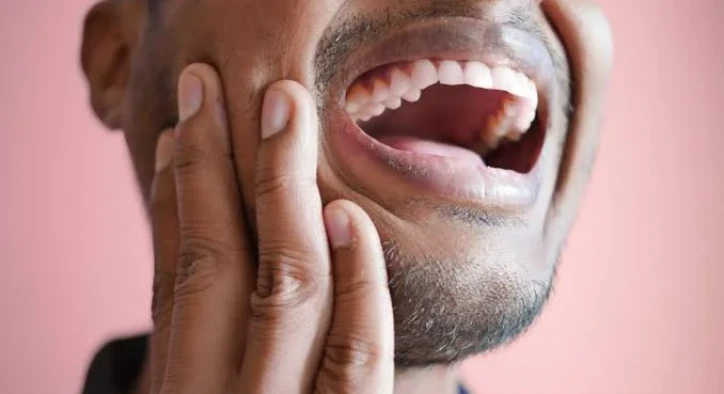

An audible popping sound or mechanical snapping sensation inside the jaw joint during everyday mouth movements represents one of the most common signs of temporomandibular joint dysfunction. When experiencing joint noises, understanding the anatomical causes of jaw clicking provides the diagnostic foundation for preventing severe joint locking, degenerative cartilage breakdown, and chronic myofascial pain. Rather than indicating a broken bone, this joint sound usually signals that the microscopic fibrocartilaginous disc located between the mandibular condyle and the temporal bone is slipping out of its normal anatomical position.
For patients startled by sudden joint noises, identifying why is my jaw clicking helps pinpoint the specific mechanical trigger. Many individuals experience localized jaw clicking on one side, notice disruptive jaw clicking when eating, or struggle with persistent jaw clicking when chewing firm foods. Others report loud jaw clicking when opening mouth wide while yawning or speaking. Understanding how to stop jaw clicking on one side involves exploring targeted jaw clicking treatment options, learning how to fix jaw clicking through occlusal splints and physical therapy, and restoring harmonious bite function. This clinical guide explores disc displacement biomechanics, joint overload triggers, home care habits, and medical interventions.
Table Of Contents
- What Causes Jaw Clicking and How Does Disc Displacement Occur?
- Unilateral Strain: Why Do You Experience Jaw Clicking on One Side?
- Functional Symptoms: Jaw Clicking When Eating, Chewing, and Opening the Mouth
- Clinical Interventions: Jaw Clicking Treatment and How to Fix It
- Practical Habits: How to Stop Jaw Clicking on One Side at Home
- Frequently Asked Questions
What Causes Jaw Clicking and How Does Disc Displacement Occur?
To understand why a joint produces a clicking sound, explaining the mechanical origin of jaw clicking requires analyzing the internal movement of the temporomandibular joint (TMJ). The TMJ functions as a delicate sliding hinge connecting your lower jawbone to the skull, buffered by a smooth fibrocartilaginous disc that absorbs mechanical stress during speech and mastication.
The biomechanical breakdown of disc displacement follows a structured sequence:
- [ MUSCLE TENSION / JOINT OVERLOAD ]: Bruxism or bite misalignment strains lateral pterygoid muscle
- [ ANTERIOR DISC DISPLACEMENT ]: The articular disc slips forward ahead of the condyle head
- [ JAW OPENS FOR CHEWING / TALKING ]: Condyle moves forward and catches on the thick rear disc ridge
- [ THE AUDIBLE CLICK / RECAPTURE ]: Condyle snaps over the barrier back into the disc center (reduction)
- [ JAW CLOSES / RECIPROCAL CLICK ]: Condyle slides off the disc back into the displaced state
Under healthy conditions, the articular disc glides smoothly alongside the condyle head. When chronic stress, muscle spasms, or structural bite imbalances overload the joint, the tiny ligaments holding the disc stretch out, allowing the disc to slip forward. As you open your mouth, the mandibular condyle must snap forcefully over the back edge of the displaced disc to regain normal alignment, producing the characteristic click or pop known as disc displacement with reduction.
Unilateral Strain: Why Do You Experience Jaw Clicking on One Side?
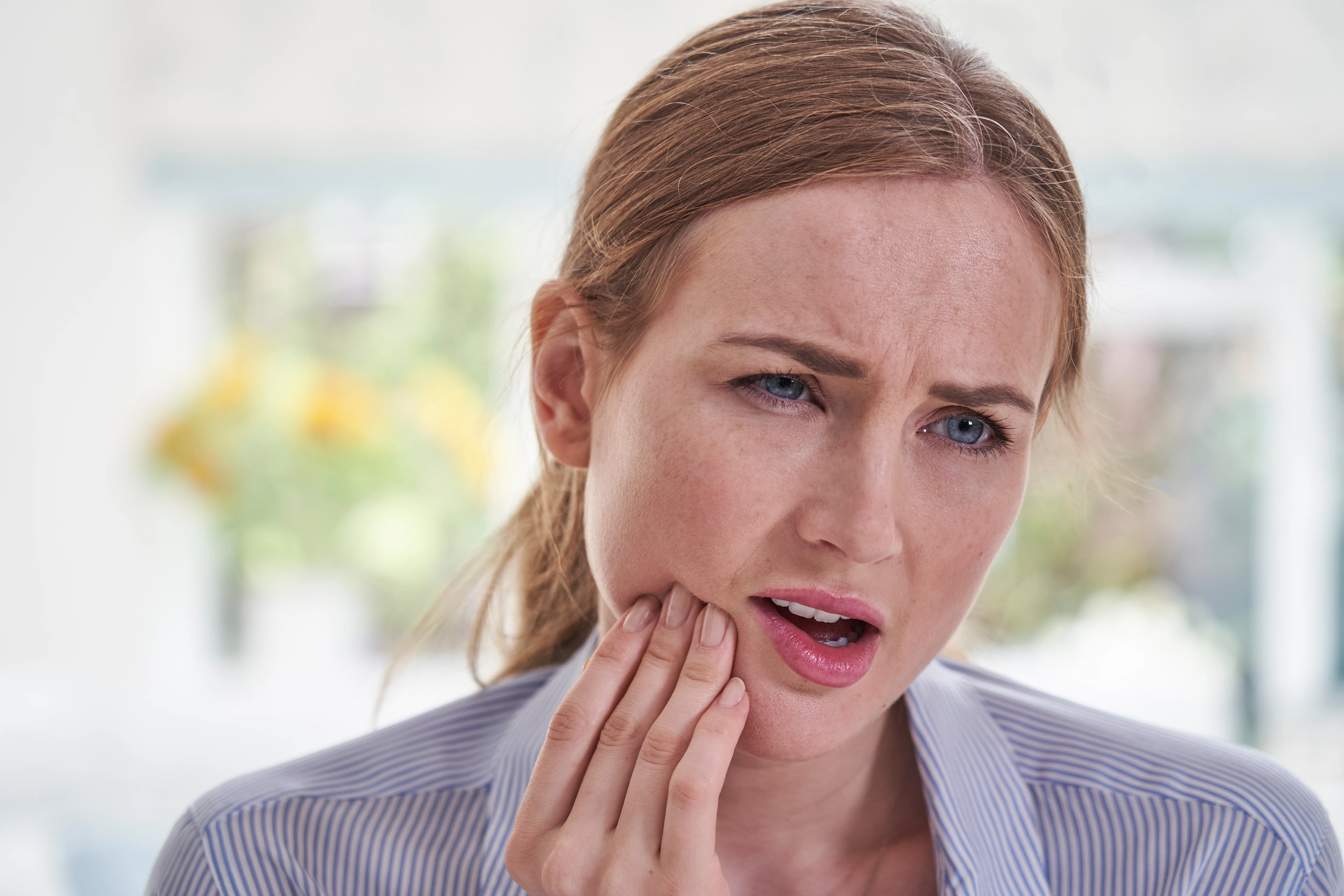
Patients frequently ask why joint dysfunction appears exclusively in one ear area, searching for answers regarding jaw clicking on one side. The human stomatognathic system rarely distributes biting and muscular forces with perfect bilateral symmetry.
The primary triggers for unilateral TMJ clicking include:
- Habitual Unilateral Chewing: Repeatedly chewing food exclusively on the left or right side overloads one joint condyle while leaving the opposite side underutilized, stretching collateral ligaments on the chewing side.
- Asymmetric Dental Occlusion: A missing posterior molar, an unbalanced dental bridge, or uneven tooth contact causes the lower jaw to shift laterally upon full closure, placing uneven compressive forces on one joint.
- Unilateral Nocturnal Clenching: Sleeping on one side with the face pressed firmly against a dense pillow forces the lower jaw into an unnatural angle, straining one TMJ capsule throughout the night.
- Localized Traumatic Injury: A direct blow to one side of the jaw, an athletic collision, or prolonged forced opening during a difficult surgical extraction can stretch joint ligaments on one side.
Functional Symptoms: Jaw Clicking When Eating, Chewing, and Opening the Mouth
Joint dysfunction manifests during regular oral movements, leading patients to notice patterns in their symptoms.
Clinical Parameter | Jaw Clicking When Chewing or Eating | Jaw Clicking When Opening Mouth Wide |
Typical Timing | During active mastication of solid food | During maximum opening, yawning, or dental visits |
Primary Muscle Involved | Masseter and temporalis muscle overload | Lateral pterygoid and suprahyoid muscle hypertonicity |
Acoustic Profile | Softer, repetitive clicking during chewing | A single, loud, distinct mechanical snap or pop |
Locking Danger | Temporary catching when biting down | Risk of acute open lock or closed lock episodes |
Pain Manifestation | Dull muscle fatigue radiating into the cheek | Sharp joint pain deep in the auditory canal |
Recognizing whether you experience jaw clicking when eating or jaw clicking when opening mouth allows dentists to determine whether your problem stems from muscular hyperactivity or internal ligament laxity.
Clinical Interventions: Jaw Clicking Treatment and How to Fix It
Learning how to fix jaw clicking requires moving away from aggressive surgical interventions toward conservative, reversible therapies. Modern dentistry emphasizes conservative protocols for effective jaw clicking treatment.
- [ CONSERVATIVE BITE DECOMPRESSION ]: Custom nightguard or stabilization splint balances joint space
- [ MUSCLE TENSION REDUCTION ]: Physical therapy, dry needling, or botulinum toxin injections
- [ JOINT LAVAGE (ARTHROCENTESIS) ]: Hydraulic flushing of inflammatory toxins in refractory cases
- [ DEFINITIVE OCCLUSAL EQUILIBRATION ]: Corrective orthodontics or restorative stabilization of bite
- Stabilization Splint Therapy: A custom-milled hard acrylic splint worn over the upper or lower teeth repositions the lower jaw into a neutral, relaxed position. This unloads the condyle, relieves pressure on the articular disc, and stops joint popping.
- Physical Therapy and Targeted Exercises: Guided jaw exercises strengthen stabilizing muscles, improve coordination, and stretch tight pterygoid muscle fibers.
- Pharmacological Support: Short courses of non-steroidal anti-inflammatory drugs (NSAIDs) reduce intra-articular inflammation, while skeletal muscle relaxants calm nighttime jaw clenching.
- Botulinum Toxin Injections: Injecting small doses of botulinum toxin directly into hyperactive masseter or temporalis muscles temporarily reduces biting force without impairing normal speech.
- TMJ Arthrocentesis: For severe cases unresponsive to bite guards, a specialist performs a minimally invasive joint lavage, using sterile saline to wash out inflammatory cytokines and break up microscopic adhesions.
Practical Habits: How to Stop Jaw Clicking on One Side at Home

Patients searching for how to stop jaw clicking on one side can implement practical self-care habits to alleviate acute joint tension:
- Adopt a Soft Food Diet: Switch to softer foods such as soups, smoothies, steamed fish, and cooked vegetables for two weeks to give inflamed joint tissues a chance to rest.
- Avoid Extreme Mouth Opening: Restrain wide yawns by supporting the bottom of your chin with your fist, and avoid biting directly into large apples, thick burgers, or crusty baguettes.
- Stop Chewing Habits: Eliminate chewing gum, ice chewing, and habits like chewing on fingernails or pens, which subject the joint to hundreds of pounds of unnecessary compressive force.
- Apply Moist Heat: Place a warm, damp compress over the affected joint area in front of your ear for 10 to 15 minutes twice daily to relax tight masticatory muscles.
- Maintain Neutral Jaw Posture: Keep your lips together, teeth slightly apart, and tongue resting gently against the roof of your mouth behind your front teeth whenever you are not eating.
Frequently Asked Questions
Is jaw clicking dangerous if there is no pain?
Painless jaw clicking is not an acute dental emergency, but it is an early warning sign that the joint disc is out of position. Even without pain, chronic disc displacement can progress over time, leading to cartilage wear, joint locking, and arthritis. Having a dentist evaluate your joint early helps prevent complications.
Can jaw clicking go away on its own?
Sometimes, mild jaw clicking caused by temporary stress or muscle fatigue resolves on its own once muscle tension relaxes. However, if clicking has persisted for more than two to three weeks, the joint ligaments have likely stretched, requiring clinical evaluation and conservative splint therapy to stabilize the disc.
Why does my jaw click louder in the morning?
Morning jaw clicking usually indicates nocturnal bruxism (clenching or grinding teeth during sleep). Excessive nighttime biting forces compress the articular disc and push it forward, causing the condyle to snap loudly over the disc when you open your mouth for your first morning yawn or meal.
What is the difference between jaw clicking and a locked jaw?
Clicking occurs when the displaced disc still snaps back onto the condyle head during movement (reduction). A locked jaw (closed lock) occurs when the disc slips so far forward that the condyle can no longer snap over it, blocking your mouth from opening more than one or two fingers wide.
Does chewing gum make jaw clicking worse?
Yes. Chewing gum forces the temporomandibular joint and chewing muscles to work continuously without normal resting intervals. This repetitive motion overworks the lateral pterygoid muscle, worsens disc displacement, and intensifies both clicking and joint inflammation.
Über den Autor