




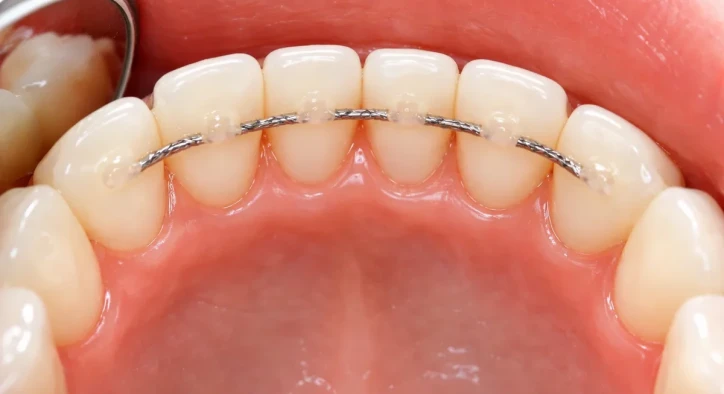

A confident smile often depends on harmony between all teeth, yet many people notice that their lower teeth play a surprisingly important role in how balanced and attractive their smile appears. When lower teeth are crowded, discolored, or uneven, the entire dental arch can look irregular. Dentists frequently observe that small issues affecting the lower teeth may influence chewing comfort, oral hygiene, and even long term dental stability.
At DentPrime, dental professionals often explain that the structure and alignment of the lower teeth are closely connected to bite mechanics and facial aesthetics. Because the lower dental arch is smaller and often more crowded than the upper arch, problems may develop gradually over time. These concerns are rarely identical from person to person. Genetics, oral habits, aging, and lifestyle factors may all affect the appearance and health of lower teeth.
Understanding the most common smile issues affecting lower teeth can help people recognize possible concerns earlier. While not every situation requires treatment, being aware of potential causes and modern dental solutions allows individuals to explore options with confidence.
Table Of Contents
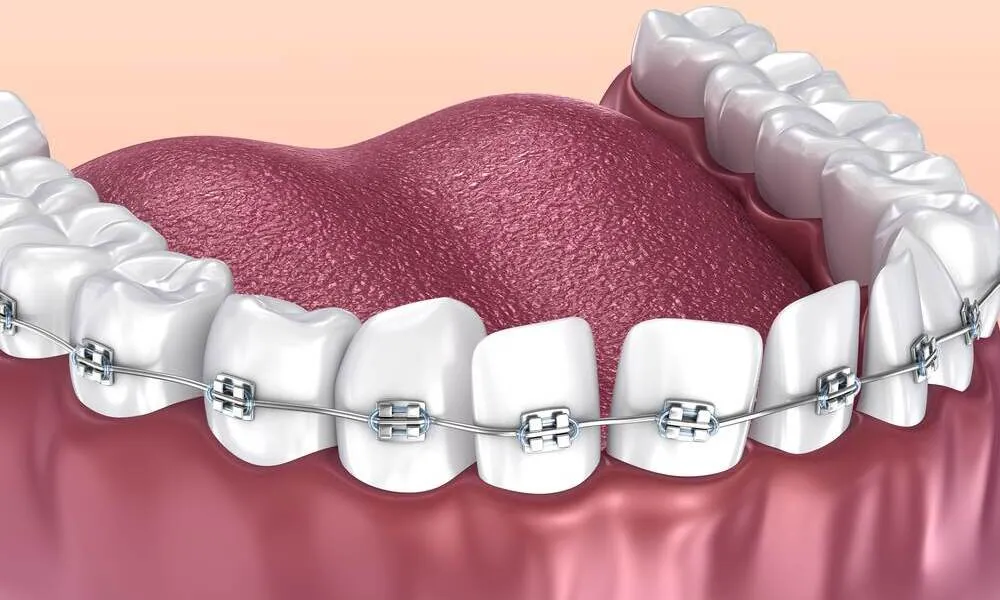
Why Lower Teeth Often Develop Crowding
Crowding is among the most frequently discussed concerns involving lower teeth. Dental researchers often note that the lower jaw provides slightly less space for tooth alignment compared with the upper jaw. As a result, even small shifts can cause lower teeth to overlap or rotate.
Over time, natural aging processes may also contribute to mild crowding. Some orthodontic studies suggest that lower teeth may gradually move inward as jaw structure changes. This phenomenon, sometimes referred to as late mandibular crowding, can occur even in people who once had straight teeth.
Several factors are commonly associated with crowding in lower teeth:
Potential Factor | Possible Effect on Lower Teeth |
Genetics | Smaller jaw size may limit alignment space |
Wisdom teeth pressure | May contribute to shifting of lower teeth |
Natural aging | Gradual tooth movement over decades |
Early tooth loss | Remaining teeth drift into empty spaces |
Modern orthodontic approaches often focus on preserving space and guiding lower teeth into more balanced positions rather than removing large amounts of tooth structure. Clear aligners and advanced braces systems are frequently discussed as potential solutions.
Discoloration Problems Affecting Lower Teeth
Another commonly observed issue involves discoloration of lower teeth. Interestingly, these teeth may appear darker than upper teeth in some individuals. Dental specialists often explain that lower teeth may accumulate stains differently due to their position near salivary ducts and their frequent exposure to beverages.
Common causes linked with discoloration of lower teeth may include:
- Coffee, tea, and red wine consumption
- Smoking or tobacco exposure
- Natural enamel thinning with age
- Plaque accumulation along the gumline
Because lower teeth are smaller and sometimes more crowded, plaque may collect in narrow spaces more easily. Over time this can contribute to visible staining.
Modern cosmetic dentistry offers multiple techniques designed to enhance the brightness of lower teeth, including professional whitening procedures and minimally invasive polishing treatments. Some patients may also explore veneer options if staining is deeply embedded within the enamel structure.
Gum Recession Around Lower Teeth
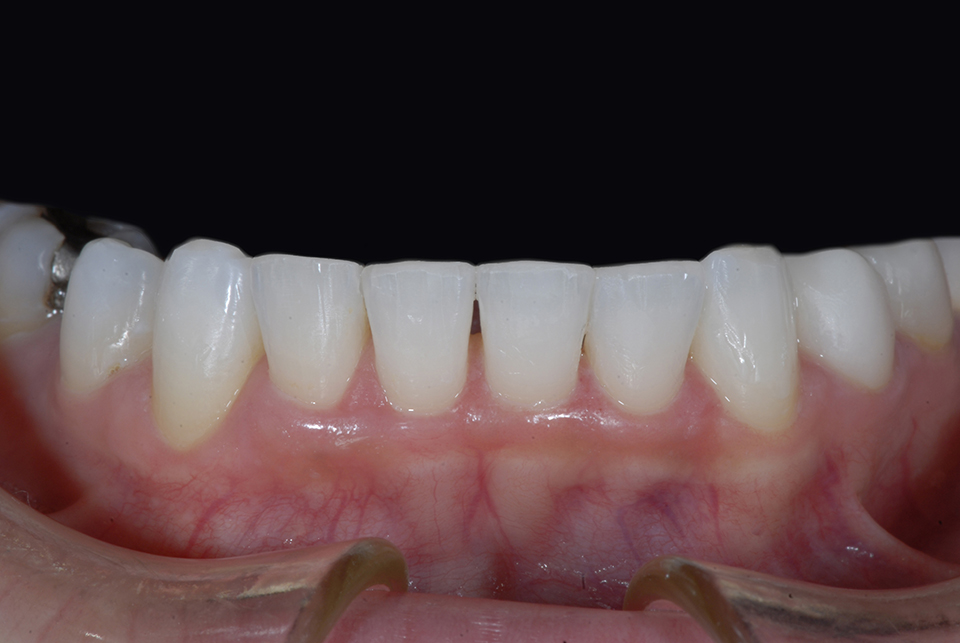
Gum recession around lower teeth is another issue that dentists frequently evaluate during routine examinations. The gum tissue surrounding lower teeth may be more delicate in certain individuals, especially along the front lower incisors.
Researchers studying periodontal health often observe that thin gum tissue combined with aggressive brushing habits may contribute to recession around lower teeth. When gums recede, more of the tooth root becomes visible. This may lead to sensitivity or changes in the visual proportion of the smile.
Several conditions are often associated with gum recession affecting lower teeth:
- Periodontal inflammation
- Brushing with excessive force
- Orthodontic pressure in thin bone areas
- Genetic gum thickness variations
Preventive care strategies typically focus on protecting the tissues around lower teeth and improving oral hygiene techniques. In some cases, dentists may discuss gum graft procedures or regenerative periodontal approaches.
Bite Misalignment Linked to Lower Teeth
The alignment of lower teeth plays a significant role in how the upper and lower jaws interact. When lower teeth shift or rotate, bite relationships may change. This can sometimes influence chewing efficiency or create uneven pressure during eating.
Orthodontists often analyze how lower teeth contact the upper arch. When teeth meet improperly, conditions such as overbite, underbite, or crossbite may develop.
A simplified overview of bite patterns involving lower teeth can be seen below:
Bite Type | Role of Lower Teeth |
Overbite | Lower teeth may sit too far behind upper teeth |
Underbite | Lower teeth extend forward past upper teeth |
Crossbite | Some lower teeth close outside upper teeth |
Edge to edge | Lower teeth contact directly with upper teeth |
Adjusting the position of lower teeth often forms a central part of orthodontic treatment planning. Technologies such as digital bite analysis and 3D imaging allow dentists to evaluate how lower teeth interact with jaw movement.
Wear and Erosion on Lower Teeth
Dental wear is another condition that frequently affects lower teeth. Because these teeth help stabilize chewing forces, they may gradually develop flattened edges or surface erosion over time.
Several lifestyle factors may influence wear patterns on lower teeth:
- Nighttime grinding or clenching
- Highly acidic diets
- Frequent consumption of carbonated drinks
- Long term enamel erosion
Studies in restorative dentistry suggest that lower teeth may show signs of mechanical wear earlier than some upper teeth due to their role in guiding jaw movement.
Dentists may evaluate worn lower teeth through digital scans or bite assessments. In certain situations, restorative treatments such as bonding, enamel contouring, or protective night guards may be discussed as possible solutions.
Modern Cosmetic Solutions for Lower Teeth
Cosmetic dentistry has advanced significantly in recent years, offering a range of approaches designed to improve the appearance of lower teeth while preserving natural tooth structure.
Depending on the individual case, dentists sometimes consider the following techniques:
- Orthodontic aligners to reposition lower teeth gradually
- Composite bonding to correct small gaps or irregular shapes
- Porcelain veneers designed for visible lower teeth in some smile lines
- Professional whitening to enhance brightness
- Digital smile design planning to analyze the position of lower teeth
Advances in digital dentistry allow clinicians to simulate how adjustments to lower teeth may influence the overall smile. This technology can help patients visualize potential outcomes before treatment decisions are made.
Maintaining Healthy Lower Teeth for a Balanced Smile
Long term dental health often involves protecting the structure and alignment of lower teeth through consistent oral care habits. Dentists frequently emphasize that these teeth may require extra attention due to their tendency toward plaque accumulation.
Basic oral hygiene practices that support the condition of lower teeth may include:
- Using a soft bristled toothbrush
- Cleaning between teeth with floss or interdental brushes
- Scheduling routine dental examinations
- Monitoring any changes in tooth alignment
Preventive dentistry often focuses on maintaining the natural stability of lower teeth rather than waiting for problems to develop. Many dental professionals suggest that early observation allows potential concerns to be addressed with more conservative solutions.
Although they are sometimes overlooked, lower teeth play a crucial role in both oral function and smile aesthetics. From crowding and discoloration to bite alignment and gum health, many factors may influence the appearance of lower teeth over time.
Advances in orthodontics, cosmetic dentistry, and digital diagnostics have created new opportunities to understand how lower teeth interact with the entire dental structure. By recognizing common issues and exploring modern dental solutions, individuals can better understand the role these teeth play in a confident smile.
Clinics such as DentPrime continue to explore patient centered approaches that combine technology, preventive care, and personalized planning to support the health and appearance of lower teeth.
About the Author