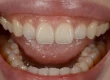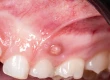







Pregnancy brings incredible changes to a woman’s body and the mouth is no exception. Pregnancy Dental Care is often overlooked, yet it plays a vital role in maintaining both maternal and fetal health. During pregnancy, hormonal shifts can alter gum sensitivity, increase plaque buildup, and even elevate the risk of gum disease. Understanding how oral health connects to pregnancy outcomes isn’t just about having a healthy smile it’s about safeguarding overall wellness.
Pregnant women often experience a mix of excitement and anxiety regarding health routines, but dental care is an area that deserves consistent attention. From early hormonal changes to nutritional demands, the oral cavity mirrors the body’s overall balance. Studies have linked untreated gum inflammation with preterm birth and low birth weight, highlighting why Pregnancy Dental Care should never be postponed.
Table Of Contents
- Why Pregnancy Dental Care Matters More Than You Think
- How Hormonal Changes Affect Oral Health
- The Connection Between Oral Bacteria and Pregnancy Outcomes
- Practical Tips for Effective Pregnancy Dental Care
- Safe Dental Procedures During Pregnancy
- Nutrition and Its Role in Pregnancy Dental Care
- Common Myths About Pregnancy Dental Care
- Dental Sensitivity and Morning Sickness Connection
- Postpartum Dental Care and Long-Term Oral Health
- The Emotional and Psychological Side of Pregnancy Dental Care
- Oral Health and the Mother Baby Connection
- Practical Recommendations for Postpartum Dental Balance
- Why DentPrime Stands Out in Maternal Dental Wellness

Why Pregnancy Dental Care Matters More Than You Think
At first glance, it may seem that dental visits can wait until after birth. However, research suggests otherwise. During pregnancy, elevated progesterone and estrogen levels can make gums more susceptible to swelling and bleeding, a condition commonly known as “pregnancy gingivitis.” When bacteria thrive in this environment, the inflammation may affect not just oral tissues but also systemic health.
Proper Pregnancy Dental Care is, therefore, not only about clean teeth but also about controlling inflammatory pathways that influence the body’s overall response. Periodontal bacteria have been found in placental tissues in certain studies, suggesting a potential link between gum health and pregnancy complications. Though scientists continue to investigate the exact mechanisms, this connection underscores why professional cleanings and early intervention matter so deeply.
Beyond biological reasons, psychological comfort plays a role too. Many expecting mothers report improved self-esteem and confidence after maintaining routine oral hygiene subtle yet impactful emotional support during such a transformative life stage.
How Hormonal Changes Affect Oral Health
Hormonal fluctuations are at the center of nearly every pregnancy-related dental concern. Increased blood flow can make gums appear red, puffy, or tender. Even gentle brushing might cause bleeding, which can discourage women from maintaining daily hygiene. This hesitation, however, allows plaque to accumulate faster, setting the stage for further irritation.
Pregnancy Dental Care strategies must, therefore, adapt to these physiological realities. A soft-bristled toothbrush, gentle circular brushing motions, and fluoride-based toothpaste are often recommended to protect sensitive gums. Some women also experience morning sickness and acid reflux, which expose teeth to stomach acids. This erosion risk can be mitigated by rinsing with water or mild baking soda solutions instead of brushing immediately after vomiting.
In clinical practice, dentists often observe that patients who adjust their oral care habits early in pregnancy face fewer complications later. The key lies in awareness: understanding that dental sensitivity is temporary, but neglect can have long-term effects.
The Connection Between Oral Bacteria and Pregnancy Outcomes
One of the most fascinating and concerning findings in recent dental research is the link between oral microbiota and pregnancy health. Certain bacterial strains associated with periodontal disease have been detected in amniotic fluid and placental tissue samples, suggesting that inflammation in the mouth could have ripple effects beyond it.
While Pregnancy Dental Care alone may not prevent all complications, maintaining balanced oral flora can significantly reduce the likelihood of systemic bacterial spread. Periodontitis, when left untreated, releases inflammatory molecules such as prostaglandins and cytokines into the bloodstream. These can potentially trigger uterine contractions prematurely or alter fetal development conditions.
Modern dental clinics such as DentPrime emphasize early evaluation during the first trimester not for invasive treatments, but for careful monitoring, professional cleaning, and patient education. This proactive approach reflects an evidence-based philosophy: preventing disease through awareness rather than reacting to its symptoms.
Practical Tips for Effective Pregnancy Dental Care
- Schedule Early Dental Visits – Inform your dentist about your pregnancy status and trimester. Timing matters when planning treatments or X-rays.
- Maintain a Balanced Diet – Calcium, phosphorus, and vitamin D support both tooth and bone health.
- Rinse, Don’t Rush – After nausea or vomiting, avoid brushing right away. Rinse first to neutralize acids.
- Opt for Professional Cleanings – Safe at any stage of pregnancy when performed with proper care.
- Watch for Gum Sensitivity – Swelling or bleeding should be monitored and professionally assessed.
Such mindful actions ensure that both mother and baby stay on the path toward optimal health something that DentPrime consistently promotes through personalized, empathetic care.
Safe Dental Procedures During Pregnancy
One of the most common concerns among expectant mothers is whether dental procedures are safe during pregnancy. The reassuring answer: most Pregnancy Dental Care procedures are not only safe but also recommended when performed under proper supervision. Routine cleanings, plaque removal, and preventive check-ups can and should continue throughout all trimesters.
Dentists usually suggest completing any elective treatments during the second trimester when the patient feels most comfortable. However, urgent care like treating infections, cavities, or severe gum inflammation should never be delayed. Local anesthetics and dental X-rays, when needed, are considered safe with appropriate shielding and modern low-radiation systems. Delaying treatment could cause more harm, as untreated oral infections can lead to systemic complications that stress both the mother’s and the baby’s immune systems.
At DentPrime, patient comfort and safety take precedence. Every Pregnancy Dental Care plan is adapted with maternal physiology in mind from chair positioning to the selection of biocompatible materials and the gentle pace of procedures. The guiding principle is clear: comfort, safety, and evidence-based care must coexist harmoniously.
Nutrition and Its Role in Pregnancy Dental Care
Diet during pregnancy directly influences oral health. The developing baby draws calcium and phosphorus for bone and tooth formation, while the mother’s body must maintain its mineral balance. A nutrient-rich diet supports both making nutrition a key pillar of Pregnancy Dental Care.
Essential Nutrients for Oral and Overall Health:
Nutrient | Importance | Common Sources |
Calcium | Strengthens teeth and bones | Dairy, almonds, green vegetables |
Vitamin D | Aids calcium absorption | Sunlight, eggs, fortified milk |
Vitamin C | Supports gum tissue integrity | Citrus fruits, bell peppers, berries |
Phosphorus | Rebuilds tooth enamel | Fish, nuts, beans |
Folate | Promotes cell growth and tissue repair | Leafy greens, lentils, citrus |
The misconception that “the baby takes calcium from the mother’s teeth” isn’t scientifically accurate yet it underscores a real need: mothers must consume enough minerals to maintain their own oral strength. Poor nutrition combined with morning sickness or sugar cravings can accelerate enamel erosion. The key is balance enjoying satisfying meals without compromising oral health.
DentPrime’s dental experts often collaborate with nutrition advisors to create awareness about how simple dietary habits can support Pregnancy Dental Care and long-term wellness. It’s not about restriction but informed nourishment.
Common Myths About Pregnancy Dental Care
Misinformation spreads easily, especially around sensitive topics like pregnancy. Understanding the truth behind popular myths can help expecting mothers make confident, informed decisions about their oral health.
Myth 1: “Dental treatment should be avoided until after childbirth.”
Fact: Most dental care procedures are safe during pregnancy. Infections, if ignored, pose greater risks than treatment itself. Regular cleanings and check-ups are vital for preventing gum disease and decay.
Myth 2: “Bleeding gums are normal and don’t need attention.”
Fact: Hormonal changes can cause gum sensitivity, but persistent bleeding indicates gingivitis or early periodontitis both of which need professional care to avoid progression.
Myth 3: “Dental X-rays are dangerous during pregnancy.”
Fact: With proper shielding and modern low-dose equipment, dental X-rays are safe when necessary. Dentists minimize exposure and only perform them if absolutely required for diagnosis.
Myth 4: “Morning sickness makes brushing optional.”
Fact: Acid exposure from vomiting can erode enamel. Rinsing first, then brushing after 30 minutes, helps maintain oral protection.
Dispelling these myths helps shift focus from fear to knowledge. A confident, informed mother is more likely to engage in consistent oral hygiene and regular check-ups cornerstones of comprehensive Pregnancy Dental Care.

Dental Sensitivity and Morning Sickness Connection
Morning sickness is often an underestimated contributor to dental problems. Frequent vomiting exposes teeth to gastric acid, which weakens enamel and causes surface roughness or dullness. Over time, this can lead to sensitivity, discoloration, or minor chipping.
A practical Pregnancy Dental Care routine includes:
- Rinsing with water or mild fluoride solution after nausea episodes
- Using non-abrasive toothpaste to protect enamel
- Avoiding citrus-based mouthwashes that can intensify acid effects
The good news? These changes are temporary. With mindful hygiene and professional supervision, enamel recovery and gum stability are achievable postpartum. The secret lies in proactive care small daily actions that prevent cumulative damage.
Postpartum Dental Care and Long-Term Oral Health
After childbirth, many mothers experience physical fatigue and shifting hormonal levels that can still impact their oral health. Postpartum gum inflammation, sensitivity, and dry mouth are not uncommon, especially when nursing or managing sleep deprivation. This is why Pregnancy Dental Care doesn’t end at delivery it evolves into postpartum maintenance.
Continuing routine dental visits during this stage ensures that early symptoms of gum disease or enamel erosion don’t progress unnoticed. The same hormonal fluctuations that influenced gum sensitivity during pregnancy may linger for several months after birth. Dentists typically recommend a comprehensive cleaning and evaluation within the first six months postpartum to reset oral balance.
Mothers who underwent certain treatments during pregnancy such as temporary fillings or scaling can now complete definitive restorations. This phase is also ideal for reestablishing strong oral hygiene habits, particularly since children often mirror their parents’ routines. Healthy parental habits foster healthy families, making Pregnancy Dental Care a foundation for intergenerational wellness.
The Emotional and Psychological Side of Pregnancy Dental Care
Dental health isn’t only about the physical state of teeth and gums it has profound psychological implications. Pregnant women often experience heightened self-consciousness due to visible changes in their bodies. Maintaining a clean, healthy smile can significantly enhance confidence and emotional balance.
At DentPrime, clinicians approach Pregnancy Dental Care with empathy as much as with science. The clinic’s specialists understand that a calm, reassuring environment helps reduce dental anxiety and supports a healthier overall experience. Even minor treatments are performed with extra sensitivity to ensure both emotional and physical comfort.
The connection between oral health and emotional well-being is supported by behavioral studies showing that people who maintain consistent dental routines report lower stress and better self-image. During pregnancy, this sense of stability becomes even more valuable offering a small but meaningful form of self-care amidst all the change.
Oral Health and the Mother Baby Connection
Emerging research highlights that oral bacteria can influence an infant’s microbiome. Babies aren’t born with bacteria in their mouths; instead, they acquire it from their environment often their mother. If a mother’s oral health is well-maintained, the bacterial diversity transferred to her baby is healthier, promoting better immunity and digestion in early life.
This means that Pregnancy Dental Care is not just maternal self-care; it’s an investment in a baby’s future health. From reducing cavity-causing bacteria to minimizing inflammatory risk factors, every dental choice during pregnancy carries generational significance.
Moreover, studies suggest that women who maintain regular oral hygiene during pregnancy are more likely to pass on healthy dietary habits to their children later on. The relationship between oral wellness, nutrition, and caregiving runs deep reminding us that dentistry is part of holistic family health.
Practical Recommendations for Postpartum Dental Balance
To keep oral health on track after pregnancy, experts emphasize gradual, sustainable habits rather than drastic changes.
Recommended Practices:
- Reinstate Routine Check-ups Book your first dental visit within 4–6 months postpartum.
- Prioritize Hydration Breastfeeding can increase dehydration, leading to dry mouth and bad breath.
- Fluoride Protection Choose toothpaste that strengthens enamel without harsh abrasives.
- Balanced Nutrition Keep calcium and vitamin D intake consistent to restore mineral balance.
- Gentle Whitening (If Needed) Wait until hormonal fluctuations stabilize before pursuing cosmetic treatments.
These steps help reestablish stability and prevent minor issues from evolving into chronic conditions. With consistent guidance from trusted professionals like DentPrime, mothers can transition seamlessly from Pregnancy Dental Care to lifelong oral wellness.
Why DentPrime Stands Out in Maternal Dental Wellness
As one of Turkey’s modern dental centers, DentPrime integrates science, safety, and empathy in every stage of maternal care. From digital diagnostics to ergonomic treatment setups for pregnant patients, every detail is engineered to ensure comfort and trust.
The clinic’s team of specialists emphasizes preventive dentistry identifying potential issues early, customizing treatment plans, and empowering patients with knowledge. Their holistic philosophy reflects an understanding that oral health is deeply connected to systemic balance and emotional harmony.
Through tailored programs for Pregnancy Dental Care, DentPrime continues to set benchmarks for patient-centered dentistry that respects both medical safety and human experience.
A Smile that Grows with Life
Pregnancy transforms everything from hormones and emotions to how we perceive health itself. In that transformation, Pregnancy Dental Care emerges not as a luxury, but as a necessity. It safeguards the mother’s comfort, the baby’s development, and the shared joy that comes from smiling freely.
Choosing professional, informed dental care during pregnancy is ultimately an act of self-respect and love. It’s a promise to nurture life not only within, but through every expression, every laugh, and every healthy smile that follows.
About the Author