





Healthy periodontal tissue acts as a resilient, pink, vascular seal that anchors your teeth and protects the underlying alveolar bone matrix from constant bacterial exposure. Because your gums are rich in blood vessels and packed with sensory nerve endings from the trigeminal pathway, they are highly sensitive to internal and external changes. When localized inflammation, mechanical injury, or bacterial infections disrupt this barrier, gum pain can emerge as a sharp, throbbing, or chronic ache.
Many people treat periodontal discomfort as a minor issue that can be ignored. However, localized pain in your gums is often a key warning sign from your body, pointing to hidden dental issues like subgingival decay, structural failure, or deep infections.
This comprehensive, 1500-word clinical guide explores the complex nerve pathways behind oral discomfort, outlines exact step-by-step methods for how to reduce gum pain, evaluates the safety of a gum pain treatment at home, and explains when professional medical intervention is required to protect your smile.
Table Of Contents
What Is Gum Pain?
To understand why a periodontal infection can feel so intense, it helps to look at the nerve pathways of the mouth. The periodontal ligament and the surrounding gingival tissues are supplied by the maxillary and mandibular branches of the trigeminal nerve (the fifth cranial nerve). This highly sensitive network is responsible for sending sensory signals from your face and teeth directly to your brain.
When plaque biofilm builds up along the gum line, bacteria release harmful toxins that breach the outer layer of your gums. Your immune system responds by sending extra blood flow and defensive cells to the area, causing the tissues to swell and press against delicate nerve endings. This pressure creates the persistent, throbbing ache characteristic of periodontal inflammation.
Because the nerve pathways in your face are closely interconnected, pain originating in a single back molar can easily radiate along the nerve branch, causing a patient to experience simultaneous gum pain and ear pain.
What Causes Gum Pain?
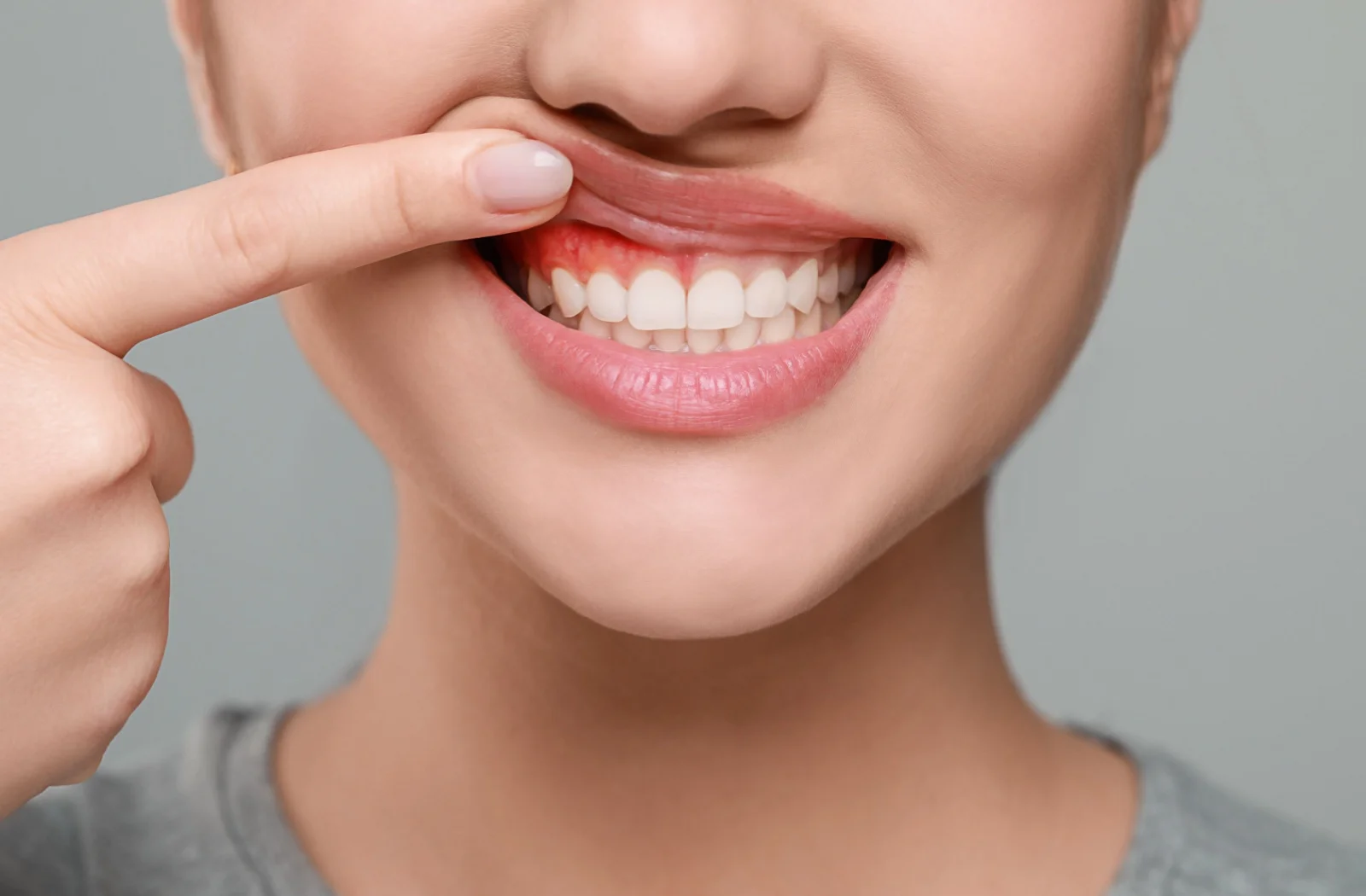
Effectively resolving oral discomfort requires pinpointing the exact underlying issue. Periodontal irritation can be triggered by a variety of distinct dental and systemic conditions:
1. Can a Cavity Cause Gum Pain?
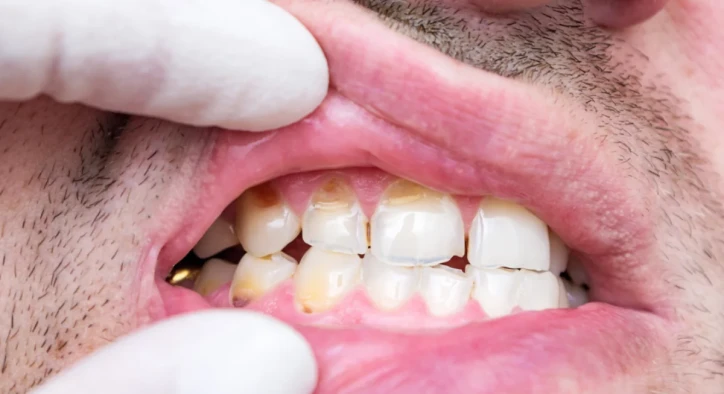
Patients frequently ask our clinical team: "Can a cavity cause gum pain?" The answer is a definitive yes. When a standard cavity goes untreated, it eats through the enamel and dentin, eventually reaching the internal nerve pulp.
Once bacteria infect the pulp, the infection can travel down the root canal and exit into the surrounding bone and gum tissue. This progression creates a painful, localized swelling known as a periodontal abscess, where the gums feel highly sensitive even though the core issue started as a cavity inside the tooth.
2. Erupting Molars: Gum Pain Behind Wisdom Tooth
Discomfort localized at the very back of the dental arch is often identified as gum pain behind wisdom tooth zones. When a third molar is partially impacted a small flap of tissue called an operculum often forms over the chewing surface.
This tissue flap is nearly impossible to clean properly at home, creating a perfect trap for food particles and bacteria. This can lead to a painful, swelling infection known as pericoronitis, which can make it difficult to swallow or fully open your mouth.
3. Systemic Links: Upper Gum Pain Sinus Discrepancies
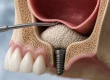
If you feel a heavy, aching discomfort across your entire upper dental arch, the issue may not be dental at all. The roots of your upper premolars and molars sit directly underneath the maxillary sinus cavities.
When you experience a respiratory cold, allergies, or a sinus infection, the nasal tissues swell and fill with fluid, putting direct downward pressure on the roots of your upper teeth. This pressure triggers a widespread upper gum pain sinus ache that typically intensifies when you lean forward or bend down.
4. Post-Procedural Adjustments: Gum Pain After Composite Bonding
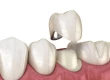
It is entirely common to experience mild, temporary gum pain after composite bonding or porcelain crown placement. During these cosmetic treatments, your dentist may use matrix bands, metal wedges, or retraction cords to shape the materials precisely near the gum line.
This mechanical placement can cause minor irritation to the delicate edges of your gums. This post-procedural sensitivity is completely normal and typically resolves on its own within a few days as the tissue naturally heals.
How to Stop Gum Pain?
When dealing with severe or persistent oral infections, over-the-counter fixes are not enough. Resolving the issue long-term requires targeted professional care from a qualified dentist:
- Deep Scaling and Root Planing (Periodontal Clean): If your discomfort is driven by chronic gum disease, your hygienist will perform a deep cleaning beneath the gum line. This treatment removes hardened tartar build-up and smooths the root surfaces, allowing your gums to heal and reattach securely to your teeth.
- Endodontic Treatment (Root Canal): If your pain stems from a deep cavity that has infected the internal nerve pulp, a root canal is required to save the tooth. The dentist removes the infected pulp, sanitizes the internal canals, and seals the tooth to eliminate the infection and stop the pain permanently.
- Surgical Operculectomy or Extraction: For chronic wisdom tooth infections, the surgeon may remove the overlapping gum flap to make the area easier to clean, or recommend safely extracting the impacted molar altogether.
Evaluating Medical Options: Antibiotic for Gum Pain
When facing severe, throbbing pain, many patients look for a quick fix online, searching for the best antibiotic for gum pain. However, from a medical standpoint, antibiotics are not a standalone cure for dental infections.
Antibiotics travel through your bloodstream to help control the spread of bacteria, making them highly valuable if you are experiencing a fever or swelling in your face. However, they cannot penetrate the hard internal structure of a tooth or clear away physical tartar build-up beneath the gums.
To permanently cure a dental infection, your dentist must physically remove the bacteria through a root canal, deep cleaning, or extraction. Antibiotics should only be taken when directly prescribed by a dental professional to ensure they are used safely and effectively.
How to Reduce Gum Pain Temporarily?
If you are traveling or waiting for your scheduled appointment at the clinic, utilizing a structured gum pain treatment at home can help soothe the area and keep you comfortable.
1. Therapeutic Warm Saltwater Rinses
Dissolve half a teaspoon of pure salt into a glass of warm water. Stir thoroughly and rinse your mouth gently for 30 seconds before spitting it out. Natural saltwater acts as a mild, osmotic antiseptic that helps draw excess fluid out of swollen tissues, reducing pressure and providing reliable gum pain relief safely at home.
2. Controlled Cold Therapy
Wrap an ice pack in a clean cloth and hold it against the outside of your cheek or jaw for 15 minutes, then remove it for 15 minutes. This cold application constricts localized blood vessels, helping to numb the area, minimize swelling, and provide effective severe gum pain relief while you wait for your appointment.
3. Natural Antimicrobial Essential Oils
Pure clove oil contains a natural organic compound called eugenol, which possesses excellent anesthetic and antiseptic properties. Dilute a single drop of clove oil with a carrier oil (like olive oil) on a sterile cotton swab, and press it gently against the sore area for a few minutes to temporarily numb the discomfort.
Step-by-Step Summary: How to Stop Gum Pain at Home?
Protocol Step | Practical At-Home Action | Expected Clinical Benefit |
Step 1: Osmotic Cleansing | Rinse with warm saltwater every 4 hours | Reduces swelling and cleans away loose debris |
Step 2: Thermal Numbing | Apply an external ice pack for 15-minute intervals | Numbs sensitive nerves and limits inflammation |
Step 3: Topical Relief | Apply diluted clove oil directly to the sore spot | Provides temporary, targeted pain relief |
Step 4: Gentle Hygiene | Brush carefully with an ultra-soft toothbrush | Clears away soft plaque without irritating the gums |
Frequently Asked Questions
How to reduce gum pain caused by a new toothbrush?
If your gums feel sore after switching brushes, you may be using bristles that are too firm, or pressing down too hard against your teeth. Switch to an ultra-soft toothbrush and practice a gentle, circular brushing technique. This approach effectively clears away soft plaque without scratching or irritating your delicate gum tissue.
Can a vitamin deficiency cause chronic gum pain?
Yes. Severe deficiencies in vital nutrients, particularly Vitamin C (ascorbic acid), can weaken the collagen structure of your gums, making them more prone to bleeding, swelling, and chronic irritation. Maintaining a balanced, nutrient-rich diet supports long-term periodontal health.
Why does my gum pain feel worse when I lie down at night?
When you lie flat in bed, the change in body position increases blood flow and fluid pressure to your head, jaw, and mouth. This extra pressure puts more stress on inflamed or infected areas, making the ache feel more intense at night. Elevating your head with an extra pillow can help reduce this pressure and keep you more comfortable.
When should I treat gum pain as an urgent medical emergency?
You should seek immediate emergency dental care if your oral discomfort is accompanied by a high fever, visible swelling in your face or neck, difficulty swallowing, or a restricted airway. These red-flag symptoms indicate that the infection may be spreading into deeper facial spaces, requiring urgent medical attention.
About the Author