




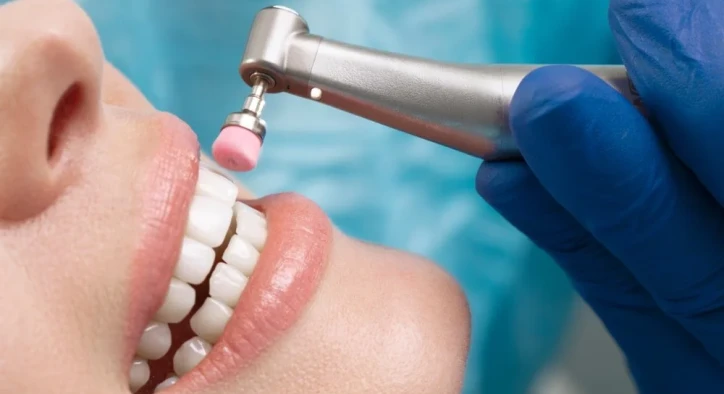

Dental Hygiene is more than a routine cleaning appointment. It represents a preventive philosophy in modern dentistry that focuses on maintaining oral health, protecting natural teeth, and supporting systemic well being. At DentPrime, this concept is approached not only as a clinical discipline but also as a long term health strategy designed to preserve the integrity of the mouth and its surrounding structures.
In recent decades, research in preventive dentistry and periodontal science has highlighted the critical role of Dental Hygiene in reducing plaque accumulation, controlling biofilm activity, and minimizing inflammatory conditions of the gums. Dental hygiene and therapy together form a structured framework that blends scientific evidence, clinical precision, and patient education.
Table Of Contents
- The Scientific Foundations of Dental Hygiene
- Dental Hygiene and Therapy: What Is the Difference?
- Core Procedures in Modern Dental Hygiene
- How Dental Hygiene Supports Periodontal Health
- The Broader Health Connection of Dental Hygiene
- Technology and Innovation in Dental Hygiene
- Who Benefits Most from Dental Hygiene Programs?
- Dental Hygiene in Preventive Dentistry Strategy
- Why Dental Hygiene and Therapy Matter
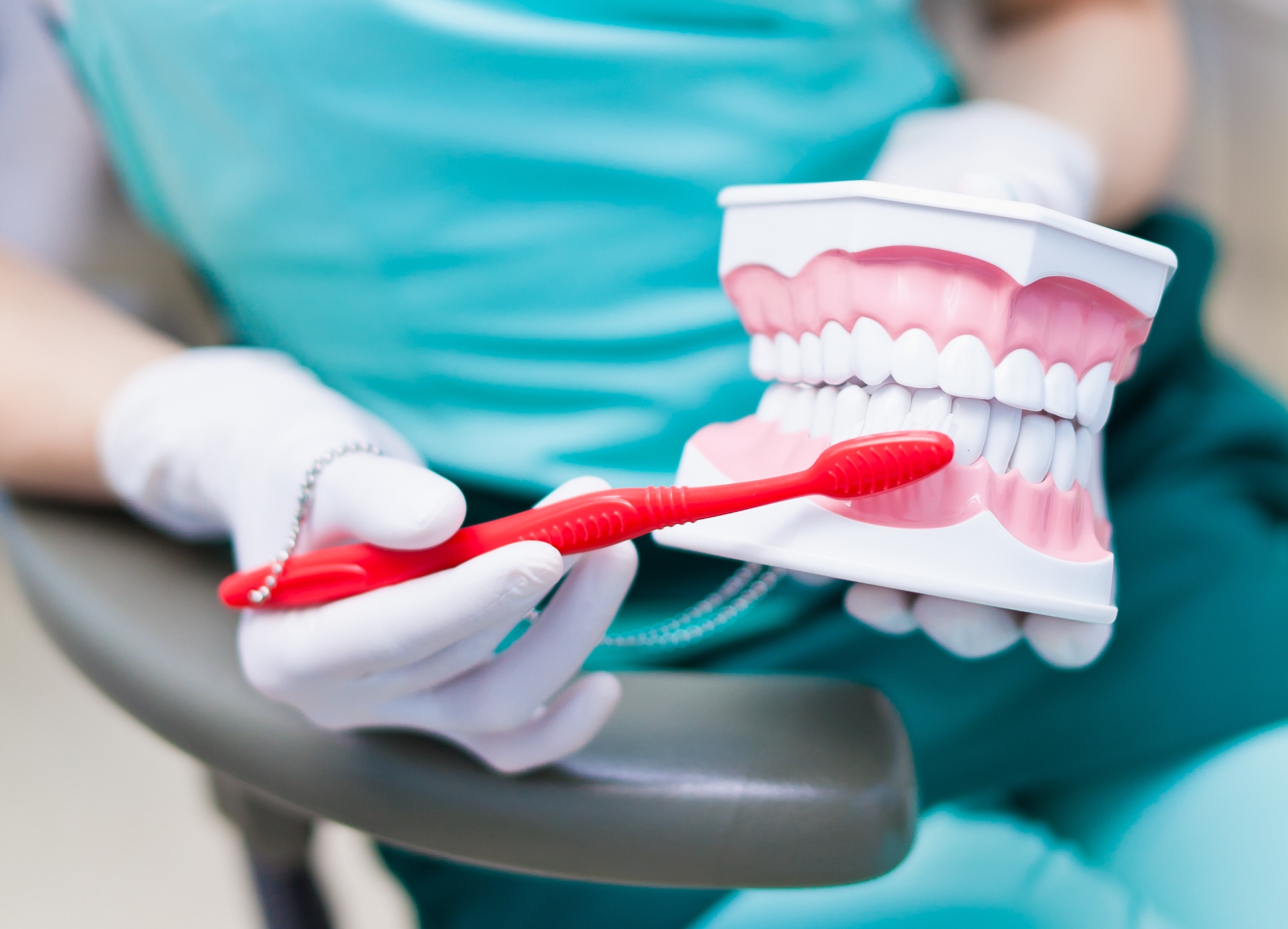
The Scientific Foundations of Dental Hygiene
Dental Hygiene is rooted in microbiology and preventive medicine. The oral cavity hosts hundreds of bacterial species, many of which form complex biofilms on tooth surfaces. When unmanaged, these biofilms can contribute to gingival inflammation and other periodontal concerns.
Clinical studies often emphasize the importance of professional plaque removal and mechanical debridement. Dental Hygiene practices aim to disrupt biofilm cycles before they mature into more resistant bacterial colonies. This preventive focus differentiates dental hygiene from reactive treatment models that address problems only after symptoms arise.
Beyond bacteria control, the science of dental hygiene integrates salivary analysis, risk assessment models, and behavioral dentistry. By combining these elements, practitioners create tailored oral care plans that reflect a patient’s biological and lifestyle factors.
Dental Hygiene and Therapy: What Is the Difference?
While Dental Hygiene primarily focuses on preventive care, dental therapy expands into minimally invasive restorative and periodontal support procedures. Dental hygienists often perform scaling, polishing, oral health instruction, and periodontal monitoring. Dental therapists may additionally provide simple restorative treatments under regulatory frameworks that vary by country.
The distinction is subtle yet important. Dental hygiene centers on maintenance and disease prevention. Therapy introduces controlled interventions to manage early stage conditions. Together, they form a continuum of care.
In modern clinics like DentPrime, this integrated approach enhances patient outcomes. Instead of isolated treatments, patients benefit from coordinated preventive strategies that support long term oral stability.
Core Procedures in Modern Dental Hygiene
Dental Hygiene sessions typically include a sequence of structured clinical steps. Although techniques evolve with technology, the objectives remain consistent: remove plaque, assess gum health, and reinforce preventive strategies.
Common components include:
- Professional scaling to remove calculus deposits
- Polishing to smooth enamel surfaces
- Periodontal charting to evaluate gum attachment levels
- Oral hygiene instruction tailored to the individual
- Preventive fluoride or protective applications when indicated
These procedures are grounded in preventive dentistry research. By reducing bacterial load and mechanical irritants, dental hygiene sessions aim to maintain a balanced oral ecosystem.
Importantly, Dental Hygiene is not solely mechanical. It also involves patient communication. Behavioral insights suggest that consistent education significantly influences long term oral care habits.
How Dental Hygiene Supports Periodontal Health
Periodontal health refers to the condition of the gums and supporting bone structures. Dental Hygiene plays a central role in maintaining these tissues.
When plaque accumulates along the gum line, inflammatory responses may develop. Over time, untreated inflammation can affect deeper supporting structures. Professional dental hygiene interventions aim to interrupt this progression by targeting bacterial colonies early.
Research in periodontal science suggests that regular maintenance visits are associated with improved gingival stability. While outcomes depend on many variables, preventive programs that incorporate Dental Hygiene tend to correlate with healthier periodontal parameters in observational studies.
This relationship between preventive care and tissue stability underscores why dental hygiene is often described as the foundation of modern periodontal management.
The Broader Health Connection of Dental Hygiene
The mouth does not function in isolation. Scientific literature increasingly explores the potential connections between oral inflammation and systemic conditions. Although research continues to evolve, it is widely accepted that maintaining oral cleanliness supports overall health awareness.
Dental Hygiene contributes by reducing inflammatory burden within the oral cavity. By managing biofilm accumulation and supporting gum health, dental hygiene may indirectly influence systemic inflammatory pathways.
It is important to avoid definitive claims. However, multidisciplinary discussions in medical research frequently emphasize the importance of preventive oral care. In this context, Dental Hygiene becomes part of a broader health maintenance conversation rather than a purely cosmetic procedure.
Technology and Innovation in Dental Hygiene
Modern Dental Hygiene integrates advanced diagnostic and treatment tools. Ultrasonic scalers, digital periodontal charting systems, and magnification technologies have enhanced precision and efficiency.
Below is a simplified comparison of traditional and modern approaches:
Aspect | Traditional Approach | Modern Dental Hygiene Approach |
Plaque Removal | Manual scaling | Ultrasonic and manual combination |
Assessment | Visual examination | Digital periodontal charting |
Patient Education | Verbal instruction | Visual and digital demonstrations |
Monitoring | Periodic notes | Structured data tracking |
Technological advancements do not replace clinical expertise. Instead, they enhance diagnostic clarity and allow practitioners to monitor trends over time. This data driven perspective strengthens preventive dentistry strategies.

Who Benefits Most from Dental Hygiene Programs?
Dental Hygiene is relevant across all age groups. Children benefit from preventive monitoring as their dentition develops. Adults often require maintenance strategies tailored to lifestyle factors such as diet and stress. Older individuals may require supportive periodontal care.
Certain populations may require closer observation, including individuals with orthodontic appliances, smokers, or patients with reduced manual dexterity. In these cases, structured dental hygiene programs can help maintain consistent plaque control.
Rather than a one size fits all model, Dental Hygiene emphasizes personalization. Risk based assessment tools allow clinicians to determine recall intervals and preventive intensity according to individual profiles.
Dental Hygiene in Preventive Dentistry Strategy
Preventive dentistry operates on a simple yet powerful principle: intervene early and consistently. Dental Hygiene represents the operational arm of this philosophy.
Instead of waiting for discomfort or visible decay, preventive programs schedule structured maintenance visits. During these sessions, clinicians reassess gum conditions, identify early enamel changes, and reinforce home care techniques.
This approach reduces the likelihood of extensive restorative needs. While no system can eliminate all dental issues, preventive frameworks supported by Dental Hygiene often correlate with improved long term tooth retention rates in population studies.
At DentPrime, preventive strategies are integrated into comprehensive treatment planning. Patients are not viewed as isolated cases but as individuals within a dynamic oral health lifecycle.
Why Dental Hygiene and Therapy Matter
Dental Hygiene is a cornerstone of modern oral healthcare. It combines microbiological science, preventive philosophy, technological innovation, and patient centered education. Dental therapy complements this foundation by addressing early stage concerns through minimally invasive techniques.
Together, dental hygiene and therapy create a proactive system designed to preserve natural teeth and support gum health over time. Rather than focusing solely on treatment, this model emphasizes maintenance, awareness, and long term stability.
In a healthcare landscape increasingly driven by prevention, dental hygiene stands as a practical and scientifically grounded discipline. At DentPrime, it is approached not merely as a routine appointment but as a strategic investment in oral health continuity.
About the Author