





Visiting a Dentist is not only about fixing cavities. At DentPrime, a comprehensive Dentist checkup is designed to evaluate oral health from multiple scientific perspectives, blending preventive care with advanced diagnostic insight. A routine appointment with a Dentist often includes far more than most patients expect, from digital imaging to soft tissue analysis and bite evaluation.
Understanding what happens during a Dentist visit can reduce anxiety, improve compliance, and help individuals make informed decisions about their dental health.
Table Of Contents
- Why a Dentist Checkup Matters for Long Term Oral Health
- What a Dentist Examines During the Initial Oral Assessment
- Diagnostic Imaging and Technology Used by a Dentist
- Professional Cleaning Performed by a Dentist or Dental Hygienist
- Gum Health Evaluation During a Dentist Appointment
- Bite Analysis and Functional Assessment by a Dentist
- Reviewing Findings and Personalized Planning with a Dentist
- How Often Should You See a Dentist?
Why a Dentist Checkup Matters for Long Term Oral Health
A Dentist checkup serves as an early detection system. Research in preventive dentistry consistently shows that regular examinations may help identify minor concerns before they develop into complex restorative needs. During a visit to a Dentist, structural, biological, and functional aspects of the mouth are evaluated together rather than in isolation.
Oral health is closely linked to systemic conditions such as cardiovascular health and metabolic balance. While a Dentist does not diagnose systemic diseases during a routine exam, the oral cavity can reveal early indicators of broader health patterns. Subtle inflammation, gum changes, or enamel erosion may signal lifestyle or nutritional factors worth exploring.
Routine checkups also provide continuity of care. By comparing current findings with previous records, a Dentist can monitor changes over time, offering a data driven perspective rather than a one time snapshot.
What a Dentist Examines During the Initial Oral Assessment
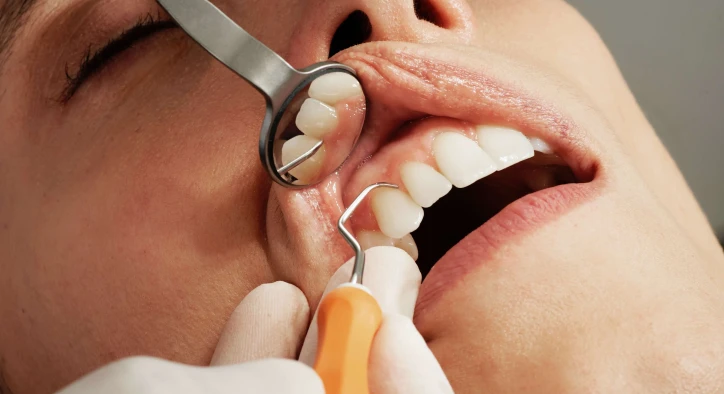
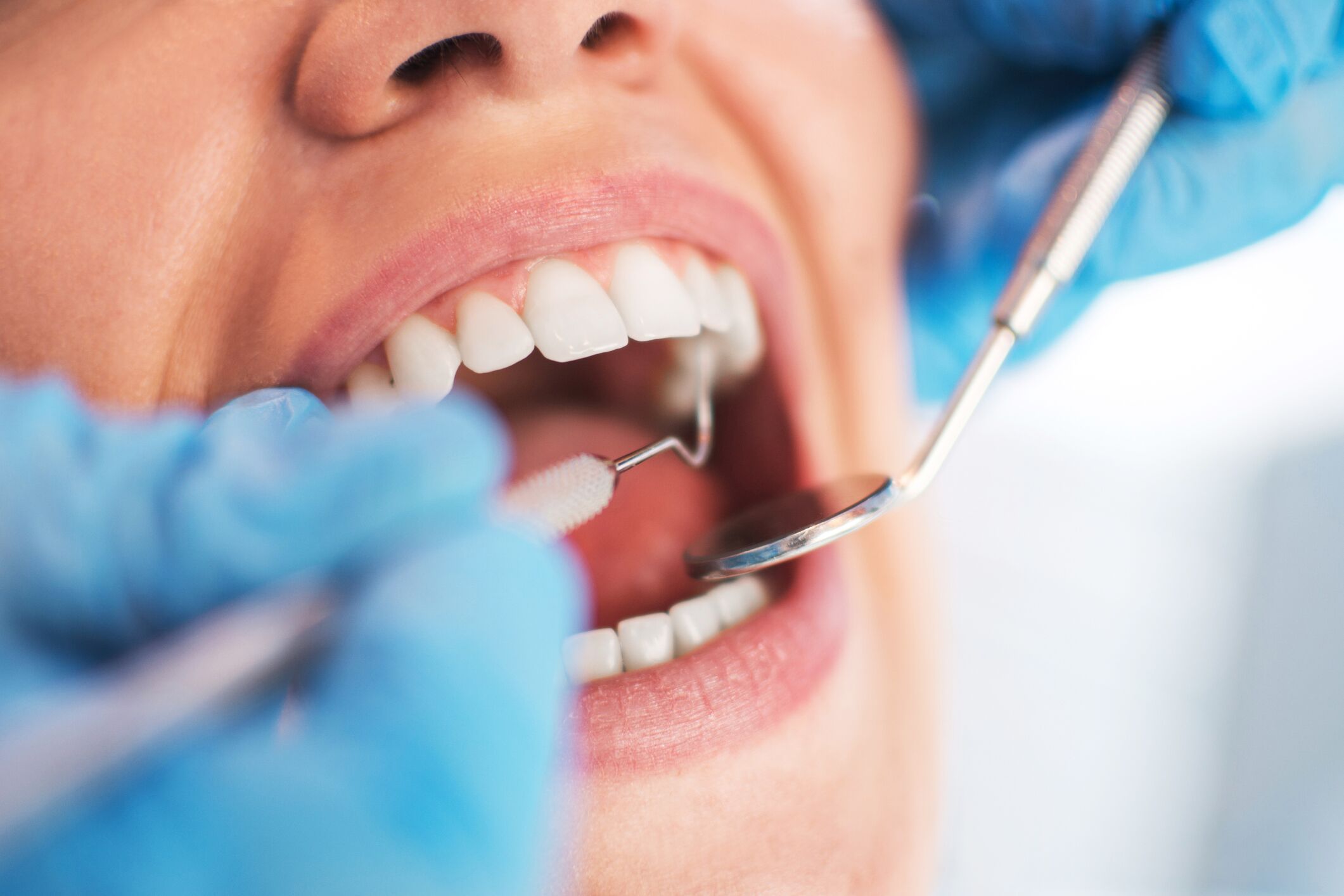
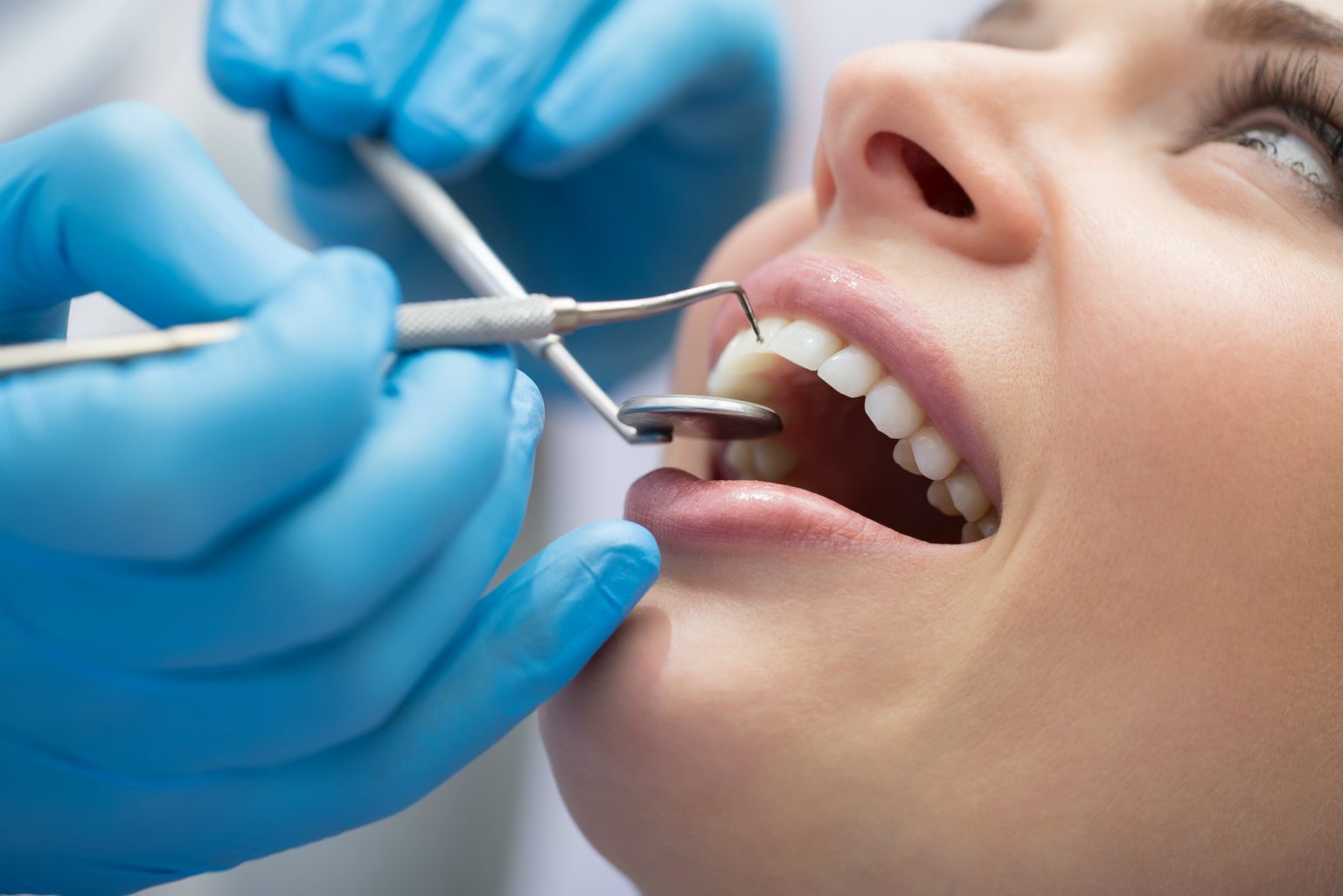
The first phase of a Dentist appointment usually involves a visual and tactile examination. Using specialized instruments and illumination, the Dentist evaluates teeth surfaces, gum margins, tongue, palate, and inner cheeks.
This assessment may include:
- Inspection for visible decay or enamel defects
- Evaluation of gum color and contour
- Examination of bite alignment
- Screening for oral lesions
- Assessment of existing restorations
A Dentist also observes plaque accumulation and tartar formation. These biofilms are key contributors to periodontal inflammation. Even small accumulations can provide insight into brushing habits and oral hygiene effectiveness.
Soft tissue screening is equally important. The Dentist carefully checks for unusual tissue changes. While most variations are harmless, consistent documentation ensures long term monitoring.
Diagnostic Imaging and Technology Used by a Dentist
Modern dentistry integrates digital imaging systems to support clinical findings. A Dentist may recommend radiographic evaluation to examine areas not visible to the naked eye, such as the spaces between teeth or beneath restorations.
Common diagnostic tools include:
Diagnostic Tool | Purpose | What It Reveals |
Digital X rays | Detect hidden decay | Interproximal cavities, bone levels |
Panoramic Imaging | Broad structural overview | Jaw alignment, impacted teeth |
Intraoral Camera | Visual documentation | Cracks, wear patterns |
Periodontal Probing | Gum measurement | Pocket depth and tissue health |
Digital imaging reduces radiation exposure compared to older systems and allows a Dentist to magnify and explain findings clearly. This transparency enhances patient understanding and trust.
At DentPrime, technology supports evidence based analysis rather than replacing clinical judgment. A Dentist combines imaging data with hands on evaluation for comprehensive interpretation.
Professional Cleaning Performed by a Dentist or Dental Hygienist
Although a cleaning may be performed by a hygienist, it is supervised and evaluated by a Dentist. Professional cleaning focuses on removing hardened plaque deposits that regular brushing cannot eliminate.
Scaling instruments gently remove tartar above and below the gum line. This step supports gum health and helps maintain periodontal stability. Polishing follows, smoothing enamel surfaces to reduce plaque adherence.
Fluoride application may also be discussed. A Dentist evaluates enamel integrity and individual risk factors before suggesting protective treatments. The approach remains personalized rather than standardized.
Preventive care is a central philosophy at DentPrime. Each Dentist visit contributes to maintaining structure, aesthetics, and function simultaneously.
Gum Health Evaluation During a Dentist Appointment
Periodontal assessment is a cornerstone of every Dentist checkup. The Dentist measures gum pocket depths around each tooth using a calibrated probe. Healthy measurements typically fall within a narrow range, while deeper readings may indicate inflammation.
Gum health is dynamic. Factors such as stress, hormonal shifts, and hygiene patterns influence tissue response. By documenting pocket measurements at each Dentist visit, gradual changes can be identified.
Bleeding response and tissue texture are also observed. These findings do not immediately confirm disease but provide a broader understanding of the oral environment. The Dentist integrates these indicators into a personalized care overview.
Bite Analysis and Functional Assessment by a Dentist
Beyond teeth and gums, a Dentist examines how the upper and lower jaws interact. Bite alignment influences wear patterns, muscle tension, and even temporomandibular joint comfort.
During a Dentist appointment, patients may be asked to close, grind, or move the jaw laterally. This helps evaluate occlusion. Uneven contact points can contribute to enamel wear or micro fractures over time.
Bruxism signs such as flattened surfaces or hairline cracks may be detected during this stage. Rather than offering immediate treatment recommendations, a Dentist documents these patterns to track progression.
Functional analysis supports long term oral stability. It ensures that aesthetic and restorative treatments align with biomechanics.
Reviewing Findings and Personalized Planning with a Dentist
The final stage of a Dentist checkup typically involves discussion. The Dentist explains observations using visual aids and imaging when appropriate. Clear communication enhances understanding and encourages proactive decision making.
Rather than overwhelming patients with technical terminology, a Dentist translates findings into practical insights. For example, early enamel erosion might be linked to dietary acidity patterns.
At DentPrime, transparency is central. Each Dentist consultation concludes with a documented summary. This allows patients to reflect, compare previous records, and maintain clarity about their oral health trajectory.
How Often Should You See a Dentist?
Frequency recommendations vary depending on individual risk factors. Many people schedule a Dentist visit every six months. However, some may require more frequent monitoring if periodontal changes or restorative work are present.
Consistency matters more than rigid timelines. A Dentist assesses personal variables such as oral hygiene habits, medical history, and previous findings. The goal is stability and early identification rather than reactive intervention.
Regular interaction with a Dentist also builds familiarity. This continuity reduces anxiety and supports collaborative long term care.
A comprehensive Dentist checkup is a structured, multi layered evaluation that extends far beyond a quick glance at your teeth. From diagnostic imaging and periodontal measurements to bite analysis and preventive cleaning, each component contributes to a holistic understanding of oral health.
At DentPrime, every Dentist appointment reflects a balance of science, technology, and human insight. By combining clinical expertise with modern diagnostics, the process becomes educational as well as preventive. Understanding what is included in a Dentist checkup empowers individuals to approach oral care with clarity and confidence.
About the Author