




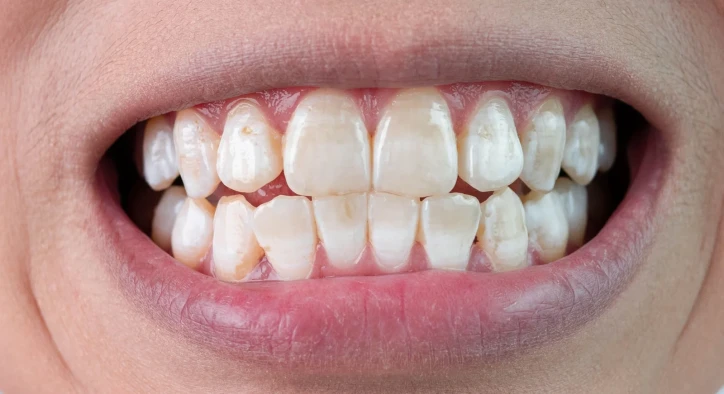

Discovering uneven coloration along your smile line can be a major source of aesthetic concern. While many people associate dental problems exclusively with dark or brown discoloration, chalky variations are equally common. When looking at your smile, understanding what causes white spots on teeth requires exploring enamel mineral density, daily hygiene habits, and pediatric development factors.
But what are white spots on teeth exactly from a clinical perspective? These markings represent localized areas of hypomineralization, meaning the outer protective enamel layer has lost its vital mineral content or failed to develop with optimal density. Because these dry, chalky patches lack the uniform crystalline structure of healthy enamel, they reflect light differently, appearing as prominent opaque marks against the translucent backdrop of your teeth.
These patches can form due to chronic acid exposure from plaque, excessive fluoride consumption during childhood, or structural changes that occur following professional cosmetic procedures. While some cases are purely cosmetic, others serve as an early warning sign of expanding decay that requires immediate clinical attention.
Table Of Contents
What Causes White Spots on Teeth? Identifying the Root Conditions
To select the right treatment pathway, your cosmetic dentist must determine the exact underlying cause of your enamel mineral loss:
- Tooth Decay White Spots on Teeth: When plaque biofilm is left on your enamel for extended periods, bacteria consume dietary sugars and release acidic byproducts. These acids slowly dissolve vital calcium and phosphate ions from the outer layer. This process, known as demineralization, represents the earliest stage of tooth decay white spots on teeth formations. At this stage, the enamel surface remains structurally intact but loses its density, turning into a chalky patch before breaking down into a full cavity.
- White Spots on Teeth After Braces: Maintaining perfect oral hygiene around fixed brackets and archwires can be incredibly difficult. When soft plaque accumulates around the square borders of the brackets, it creates a continuous acid zone. Once the hardware is removed, patients frequently notice distinct white spots on teeth after braces treatment, outlining exactly where the brackets used to sit.
- White Spots on Teeth After Whitening: It is entirely common to notice prominent white spots on teeth after whitening procedures. Professional bleaching gels temporarily dehydrate the outer enamel layer, making existing hypomineralized patches stand out much more visibly. This post-treatment variation is typically temporary, resolving on its own within a few days as your saliva naturally rehydrates the teeth.
- Dental Fluorosis and Enamel Hypoplasia: If a child regularly ingests too much fluoride while their permanent teeth are still developing beneath the gums, the mineral can disrupt ameloblast cells. This disruption leads to dental fluorosis, which presents as mild, chalky streaks across the adult teeth. Similarly, enamel hypoplasia occurs when nutritional deficiencies or childhood illnesses disturb matrix formation, causing teeth to erupt with pre-existing structural spots.
Are White Spots on Teeth Bad for Your Long-Term Oral Health?
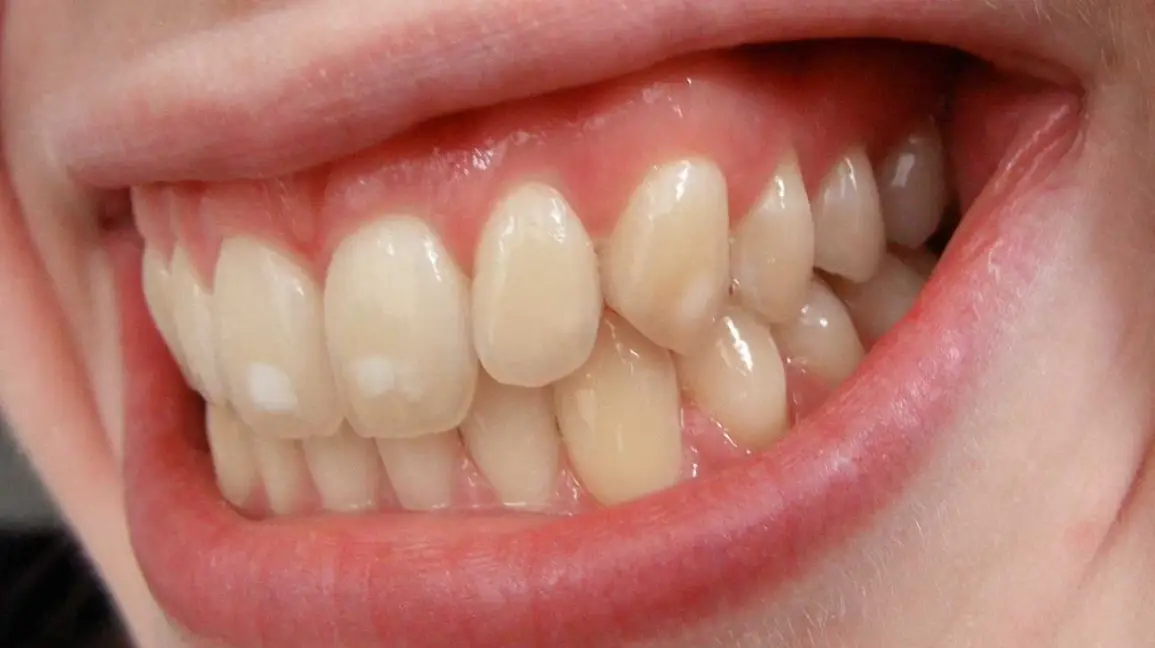
When evaluating these markings, patients frequently ask: "Are white spots on teeth bad for my health, or are they just a cosmetic issue?" The clinical answer depends entirely on the underlying cause of the mineral loss.
If the markings are caused by childhood fluorosis or systemic hypoplasia, they are completely stable and present no active risk to your dental health. However, if the marks are caused by active plaque accumulation, they represent an active demineralization zone.
Leaving these porous, acid-weakened areas untreated allows decay to progress deeper into the tooth structure, eventually breaking through the surface and requiring complex restorations. Identifying the cause early allows your clinical team to intercept the issue before it turns into a painful cavity.
What Are the Best Clinical Options for White Spots on Teeth Treatment?
Modern minimally invasive cosmetic dentistry offers several highly effective options for white spots on teeth treatment, completely eliminating the need for aggressive dental drills:
1. Advanced Resin Infiltration
This cutting-edge, drill-free technique is perfect for treating post-orthodontic marks and early demineralization zones. The dentist treats the chalky patch with a specialized conditioning gel to open up the microscopic pores of the weakened enamel.
Next, a highly fluid, light-cured liquid resin is guided into the porous matrix. The resin fills the empty spaces completely and is cured with a specialized light. Because this material matches the exact light-reflecting properties of healthy enamel, the chalky spot blends in seamlessly, restoring a uniform, glossy appearance to the tooth instantly.
2. Micro-Abrasion and Targeted Re-Mineralization
For superficial marks or mild fluorosis streaks, your clinician may recommend a micro-abrasion procedure. A specialized slurry containing mild hydrochloric acid and fine pumice particles is massaged onto the enamel surface to gently buff away a microscopic layer of discoloration.
Following this step, concentrated fluoride varnishes or calcium phosphate pastes (such as MI Paste®) are applied to rebuild and strengthen the treated enamel layer safely.
3. Premium E-Max Veneers and Zirconia Crowns
If the structural mineral loss is deep, widespread, or covers a large portion of the visible smile zone, conservative surface treatments may not deliver full cosmetic correction.
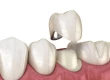
In these advanced cases, custom-milled E-Max porselen veneers or ultra-thin zirconia crowns offer the ultimate solution. These premium restorations sit flush with your natural gum line, completely covering deep structural defects and providing a uniform, radiant smile that remains stable for decades.
Can You Learn How to Remove White Spots on Teeth Naturally at Home?
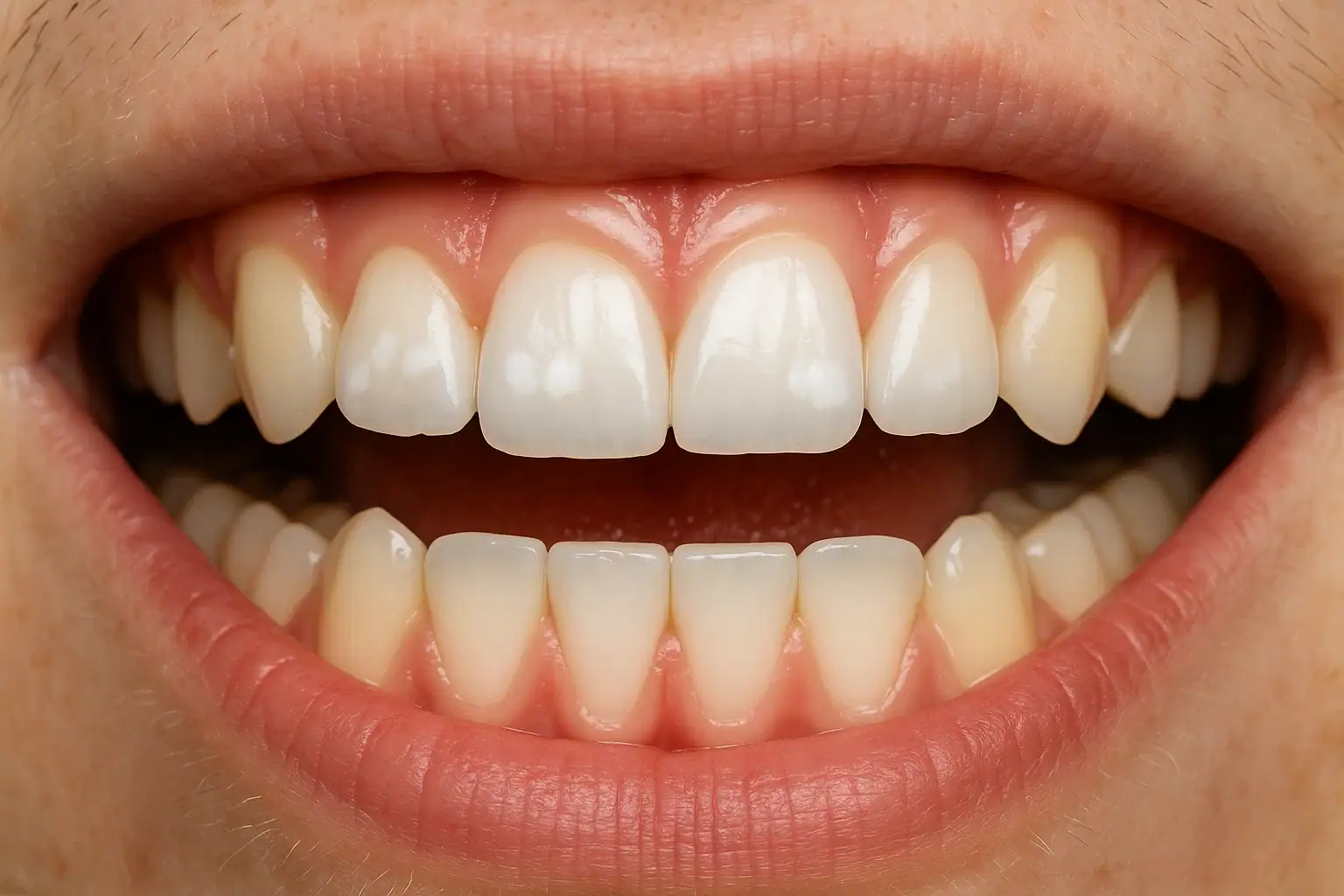
When looking for a quick fix online, patients often search for how to remove white spots on teeth naturally or look for ways explaining how to get rid of white spots on teeth using everyday household products.
However, from a clinical standpoint, attempting to scrub away these markings using coarse baking soda, active charcoal, or acidic fruit juices like lemon juice will cause permanent damage to your teeth.
Because white spots represent areas where the enamel is already thinned and weakened, using harsh abrasive pastes or acidic rinses at home will strip away the remaining protective layer, exposing the delicate dentin underneath and leading to severe sensitivity and rapid decay.
The only safe way to support your teeth naturally at home is by practicing impeccable oral hygiene, using targeted remineralizing pastes containing Nano-Hydroxyapatite or fluoride, and reducing your daily intake of sugary and acidic foods.
Treatment Strategy | Enamel Modification Method | Clinical Visibility Success | Structural Longevity |
Resin Infiltration (Icon) | Fills porous enamel with liquid resin | Outstanding (spot blends away) | Long-term stable results |
Micro-Abrasion & Paste | Gently buffs away a micro-layer of enamel | High for shallow, superficial marks | Permanent structural change |
Premium E-Max Veneers | Completely covers structural defects | Flawless, uniform transformation | 15 to 21+ years durability |
Home Abrasive Scrubs | Harsh scratching of weakened enamel | Very poor (increases structural damage) | High risk of rapid decay |
Frequently Asked Questions
Does the professional resin infiltration process involve any pain?
No, the resin infiltration procedure is completely painless and needle-free. Because your cosmetic dentist works exclusively within the outer enamel layer without using dental drills, there is absolutely no risk of nerve irritation. The treatment is performed comfortably without local anesthesia or injections.
Why do white spots on teeth after whitening look brighter?
Professional whitening gels utilize peroxide compounds that temporarily dehydrate the outer enamel matrix. Because hypomineralized patches are already porous, losing moisture causes them to reflect light even more intensely, making them look temporary brighter. Your smile will normalize within a few days as your saliva naturally rehydrates the enamel.
Can using specialized mouthwashes get rid of orthodontic white marks?
Standard grocery-store mouthwashes cannot remove established white spot lesions. However, using therapeutic mouthwashes rich in sodium fluoride or nano-hydroxyapatite helps rebuild minerals in early demineralization zones, strengthening the enamel surface to prevent the area from breaking down into a cavity.
How can I prevent these markings from forming during braces treatment?
The best prevention strategy is maintaining an impeccable daily hygiene routine. Use specialized orthodontic V-trim toothbrushes, guide interdental brushes under the archwires after every meal, and use a high-pressure water flosser daily to keep the boundaries around your brackets completely clean and free of plaque acids.
About the Author