






Рецессия десен Это распространенная стоматологическая проблема, которая затрагивает миллионы людей во всем мире, вызывая как косметические, так и функциональные проблемы. Понимание того, что помогает срецессия десенимеет решающее значение для поддержания здоровья полости рта и предотвращения дальнейших осложнений. Стратегии варьируются по эффективности и применимости: от образа жизни до продвинутых стоматологических вмешательств. В этой статье исследуются научно обоснованные подходы к управлениюрецессия десенпредлагая идеи, выходящие за рамки обычных советов.
Оглавление
- Понимание причин рецессии десен
- Ежедневные привычки, которые помогают при рецессии десен
- Профессиональные методы лечения рецессии десен
- Натуральные средства, поддерживающие здоровье десен
- Корректировка образа жизни для предотвращения рецессии десен
- Мониторинг и раннее выявление рецессии десны
- Роль генетики в рецессии десен
- Экологические и поведенческие влияния
- Новые исследования и инновационные методы лечения
- Комплексный подход

Понимание причин рецессии десен
Рецессия десенне происходит в одночасье, обычно это результат множества факторов, взаимодействующих с течением времени. Генетика играет важную роль, а это означает, что некоторые люди могут быть предрасположены к более тонким тканям десен. Согласно исследованию 2022 года, опубликованному в журналеЖурнал пародонтологииУ людей с тонкими от природы деснами риск развития рецессии на 30% выше, чем у людей с более толстыми деснами.
Другие причины включают агрессивную чистку зубов, пародонтологический заболевания и привычки образа жизни, такие как курение. Интересно, что недавние исследования показывают, что хроническое воспаление, вызванное такими системными заболеваниями, как диабет, может усугубить потерю ткани десен. Хотя многие могут предположить, что рецессия десен, это чисто косметическая проблема, она также увеличивает риск чувствительности зубов, эрозии эмали и, в тяжелых случаях, потери зубов.
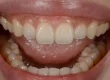
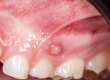
Помимо причин, жизненно важно понимать ранние признаки. Отступающие десны могут проявляться в виде более длинных зубов, обнаженных корней или небольших выемок возле линии десен. Эти ранние признаки часто остаются незамеченными до тех пор, пока дискомфорт или эстетические проблемы не побудят провести оценку. Распознавание этих признаков позволяет людям быстро рассмотреть возможность вмешательства до того, как прогрессирование станет значительным.
Ежедневные привычки, которые помогают при рецессии десен
Когда дело доходит до управлениярецессия десен, ежедневно гигиена полости рта играет удивительно важную роль. Нежная чистка зубной щеткой с мягкой щетиной снижает травмирование нежных тканей десен, а использование зубной пасты, разработанной для чувствительных зубов, может защитить открытые поверхности корней. Исследования показали, что слишком усердная чистка зубов, особенно жесткой щетиной, может ускорить рецессию десен, что подчеркивает важность техники над силой.
Зубная нить и межзубная чистка также играют профилактическую роль. Удаляя налет с участков, недоступных для зубной щетки, эти привычки уменьшают воспаление, которое способствует разрушению тканей десен. Интересно, что некоторые исследования показывают, что даже короткие ежедневные сеансы чистки водой могут привести к заметному улучшению здоровья десен в течение шести месяцев, предполагая, что удобство не обязательно снижает эффективность.
Диетические соображения также влияют на устойчивость десен. Такие питательные вещества, как витамин С, витамин D и жирные кислоты омега-3, поддерживают выработку коллагена и уменьшают воспаление, создавая среду, в которой ткани десен лучше противостоят стрессу. Включение в рацион разнообразных красочных фруктов, овощей и жирной рыбы может косвенно помочь замедлить прогрессированиерецессия десен.
Профессиональные методы лечения рецессии десен
Рецессия десенможет достичь стадии, когда профессиональное вмешательство становится необходимым. Специалисты-стоматологи предлагают разнообразные процедуры, направленные на восстановление функции и эстетики десен. Одним из наиболее распространенных подходов является масштабирование и строгание корня, глубокая очистка процедура, предназначенная для удаления зубного налета и тартар ниже линии десен. Исследования показывают, что последовательное последующее наблюдение после удаления зубного камня значительно замедляет прогрессированиерецессия десени уменьшает воспаление.
В более запущенных случаях можно рассмотреть хирургические варианты, такие как пересадка десны. Пересадка десны предполагает взятие ткани из другой части рта (или использование донорской ткани) для покрытия обнаженных корней. ИсследованиеМеждународный журнал пародонтологии & Восстановительная стоматологиясообщили, что у пациентов, получивших трансплантаты, наблюдалось не только улучшение внешнего вида, но также снижение чувствительности и лучшая защита от бактериальной инвазии. Лазерная терапия – еще один новый вариант, предлагающий минимально инвазивную коррекцию тканей десен с ускоренным сроком заживления.
Важно отметить, что, хотя эти методы лечения устраняют симптомы и потерю тканей, они не могут обратить вспять все основные причины. Поэтому профессиональный уход наиболее эффективен в сочетании с правильной ежедневной гигиеной полости рта и корректировкой образа жизни.
Натуральные средства, поддерживающие здоровье десен
Для людей, ищущих неинвазивные методы лечения, несколько натуральных средств обещают поддержать целостность тканей десен. В предварительных исследованиях травяные ополаскиватели, содержащие такие ингредиенты, как экстракт ромашки, шалфея или зеленого чая, продемонстрировали противовоспалительные и противомикробные свойства. Эти полоскания могут помочь уменьшить воспаление десен, косвенно снижая риск дальнейшегорецессия десен.
Полоскание маслом, древняя техника с использованием таких масел, как кокосовое или кунжутное, завоевала популярность в современных дискуссиях о здоровье зубов. Хотя клинические данные по-прежнему ограничены, некоторые исследования показывают, что полоскание маслом может снизить бактериальную нагрузку во рту, способствуя здоровью десен. Кроме того, поддержание сбалансированной диеты, богатой антиоксидантами, витаминами и минералами, укрепляет соединительные ткани, делая десны более устойчивыми к стрессам окружающей среды.
Гидратация также играет тонкую, но важную роль. Слюна естественным образом защищает десны, нейтрализуя кислоты и обеспечивая антимикробную активность. Обезвоживание снижает выработку слюны, что потенциально ускоряетрецессия десенпрогрессия. Простые меры, такие как достаточное потребление воды и отказ от чрезмерных сладких напитков, поддерживают эту естественную защитную систему.
Корректировка образа жизни для предотвращения рецессии десен
Рецессия десенНа это влияет не только гигиена полости рта, но и общий образ жизни. Например, управление стрессом может показаться несвязанным, но хронический стресс повышает уровень кортизола, что, в свою очередь, может усугубить воспаление в тканях десен. Исследования показывают, что люди, ведущие стрессовый образ жизни, более склонны к проблемам с пародонтом, подчеркивая менее очевидную, но важную связь со здоровьем десен.
Регулярная физическая активность также косвенно приносит пользу деснам. Упражнения улучшают кровообращение, гарантируя, что десны получают достаточное количество кислорода и питательных веществ, необходимых для поддержания и восстановления тканей. Малоподвижный образ жизни, наоборот, может нарушать эти процессы, делая ткани более уязвимыми крецессия десен.
Гигиена сна – еще один недооцененный фактор. Исследования, опубликованные в журналах по биологии полости рта, показывают, что недостаточный сон снижает иммунный ответ и замедляет заживление тканей, что потенциально ускоряет потерю тканей десен. Приоритет восстановительного сна наряду с уход за полостью рта может создать синергетический эффект, который поддерживает стабильность десен с течением времени.
Мониторинг и раннее выявление рецессии десны
Распознавание самых ранних признаковрецессия десенимеет решающее значение. Визуальная проверка удлиненных зубы Открытые корни или небольшие зазубрины на линии десен, простые, но эффективные стратегии. Кроме того, регулярные визиты к стоматологу обеспечивают профессиональную оценку, включая измерение десневых карманов, что помогает обнаружить незначительное прогрессирование до того, как оно станет клинически тяжелым.
Цифровые инструменты все чаще используются для раннего обнаружения. Внутриротовые сканеры и визуализация с помощью искусственного интеллекта позволяют стоматологам сравнивать результаты измерений тканей десен с течением времени, выявляя даже незначительные закономерности рецессии. Эти технологические достижения подчеркивают ценность упреждающего мониторинга, демонстрируя, что раннее информирование часто приводит к менее инвазивным вмешательствам в дальнейшем.
Роль генетики в рецессии десен
Нельзя обсуждатьрецессия десенбез признания генетического компонента. У некоторых людей от природы более тонкая ткань десны, которая по своей природе более подвержена рецессии. Хотя генетику невозможно изменить, понимание предрасположенности человека позволяет разработать индивидуальные профилактические стратегии.
Генетическое исследование 2021 года показало, что изменения в некоторых генах, кодирующих коллаген, могут влиять на устойчивость десен. Лицам, у которых выявлены эти генетические маркеры, могут быть полезны более частые осмотры и усиленный ежедневный уход, что подчеркивает, как персонализированные подходы могут дополнять общие методы профилактики.
 Экологические и поведенческие влияния
Внешние факторы, такие как диета, курение и даже некоторые лекарства, могут повлиятьрецессия десен. Употребление табака особенно вредно, поскольку снижает приток крови к деснам и замедляет процессы заживления. Аналогичным образом, чрезмерное потребление кислых или сладких продуктов может разрушить эмаль и вызвать раздражение тканей десен.
Поведенческие модели, такие как скрежетание зубами ( бруксизм), также способствуют этому. Повторяющееся механическое воздействие может ускорить рецессию, особенно вдоль передних зубов. Стоматологи все чаще рекомендуют людям из группы риска такие стратегии, как ночное дежурство или методы управления стрессом.
Новые исследования и инновационные методы лечения
Инновационные подходы к решению проблемырецессия десенпоявляются быстро. Например, терапия стволовыми клетками демонстрирует потенциал для регенерации тканей десен и подлежащих костных структур. Клинические испытания на ранних стадиях показывают, что культуры клеток, специфичные для пациентов, однажды смогут уменьшить или даже обратить вспять рецессию от легкой до умеренной степени.
Биоматериалы и методы лечения факторами роста также находятся в стадии изучения. Эти методы лечения направлены на стимуляцию естественной регенерации тканей, потенциально предлагая альтернативу традиционным процедурам трансплантации. Хотя такие инновации все еще являются экспериментальными, они указывают на будущее, в которомрецессия десенуправление может стать менее инвазивным и более биологически интуитивным.
Комплексный подход
Понимание того, что помогает срецессия десентребует многогранного взгляда. Ежедневная гигиена, профессиональное вмешательство, корректировка образа жизни и осознание влияния генетики и окружающей среды, все это играет свою роль. Хотя ни одно решение не может полностью обратить вспять рецессию десен, сочетание научно обоснованных практик может замедлить прогрессирование, защитить здоровье полости рта и улучшить общее самочувствие.
В конечном счете, профилактика и раннее выявление остаются наиболее эффективными стратегиями. Объединив научные знания с практическими повседневными привычками, люди могут подходить к здоровью десен активно, а не реактивно. Будь то улучшение методов ухода за полостью рта, корректировка диеты или профессиональный мониторинг, понимание сложной природырецессия десендает возможность принимать обоснованные решения, которые принесут пользу как улыбка и долговременная стабильность зубов.
Об авторе