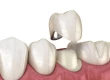







Dental implants have become one of the most trusted solutions for replacing missing teeth. Unlike removable dentures or traditional bridges, implants are designed to integrate with the jawbone and provide a permanent foundation for replacement teeth. Patients considering this treatment often ask a crucial question: How long do dental implants last? The answer depends on several clinical, biological, and lifestyle factors, but when placed correctly and cared for properly, implants can last for decades, often a lifetime.
Table Of Contents
What Dental Implants Are
A dental implant is a titanium or zirconia post surgically placed into the jawbone. This post serves as an artificial tooth root that supports a crown, bridge, or denture. Because the implant fuses with the bone through osseointegration, it provides a stable base for chewing, speaking, and aesthetics. The system typically consists of three components:
The implant post anchored into the bone
The abutment connecting the post and prosthetic
The crown or prosthesis that mimics a natural tooth
This structure is engineered to replicate the strength and function of natural teeth.

Average Lifespan of Dental Implants
Research shows that the implant post can last 25 years or more with proper oral hygiene. In fact, clinical studies reveal survival rates above 95% after 10 years. The dental crown attached to the implant generally lasts 10 to 15 years, depending on material quality and patient care. With technological advances, such as CAD/CAM prosthetics and stronger ceramics, the longevity of crowns continues to improve.
To summarize lifespan expectations:
| Implant Component | Average Longevity |
|---|---|
| Implant post | 25+ years, often lifetime |
| Abutment | 15–20 years |
| Crown/Bridge | 10–15 years, sometimes longer |
Factors Influencing Longevity
Several factors determine how long a dental implant lasts:
Oral Hygiene and Maintenance
Daily brushing and flossing
Professional cleanings every six months
Regular implant check-ups with X-rays
Bone Quality and Quantity
Sufficient jawbone density is critical for stability
Patients with osteoporosis or bone loss may need bone grafting
Lifestyle Habits
Smoking reduces blood flow and increases failure risk
Bruxism (teeth grinding) can damage crowns and abutments
Excessive alcohol consumption may slow healing
Systemic Health
Conditions like diabetes or immune disorders can impact healing
Medications that affect bone metabolism can shorten implant survival
Why Dental Implants Last Longer Than Alternatives
Compared with other treatments, implants stand out for their durability:
Removable dentures often need replacement every 5–8 years
Dental bridges typically last 7–10 years and require altering adjacent teeth
Implants, by contrast, preserve natural bone and adjacent teeth while functioning for decades
This makes implants not just a restorative solution but a long-term investment in oral health.
Signs That an Implant May Need Replacement
While failures are rare, certain signs indicate a problem:
Persistent pain or swelling around the implant
Mobility or loosening of the crown
Receding gums exposing implant threads
Difficulty chewing
Early intervention can often save the implant, so regular dental visits are crucial.
Maximizing the Lifespan of Implants
Patients can significantly extend implant life by following these guidelines:
Use non-abrasive toothpaste to protect prosthetics
Avoid biting hard objects such as ice or pens
Wear a night guard if grinding teeth
Schedule annual implant evaluations
Maintain overall systemic health with balanced nutrition and medical care

Cost Considerations and Value
Although dental implants cost more upfront compared to dentures or bridges, their long lifespan makes them more cost-effective in the long term. Repeated replacements of cheaper alternatives often surpass the one-time investment in implants. For patients traveling abroad, countries like Turkey offer high-quality implant treatments at significantly lower prices than in the US or UK, combining advanced dentistry with affordability.
Are Dental Implants Permanent
The implant post is considered a permanent restoration, as it integrates with bone and is not designed for removal. However, the prosthetic component may need occasional replacement due to natural wear. With proper care, patients can expect their implants to last as long as natural teeth, sometimes even longer.
Conclusion
Dental implants are one of the most durable solutions in modern dentistry. While the implant post can last a lifetime, the prosthetic crown typically requires replacement after 10–15 years. Success depends on oral hygiene, systemic health, lifestyle choices, and professional maintenance. For many patients, this treatment is not just about replacing teeth but restoring long-term oral health, confidence, and function. Those seeking both quality and affordability often consider dental implant treatment in Turkey, where internationally accredited clinics provide expert care with excellent success rates.
By investing in implants and maintaining them properly, patients can enjoy a healthy, stable smile that lasts for decades.
About the Author