






When people step into the oral care aisle, one product almost always catches their attention: mouthwash. Colorful bottles promise fresh breath, cavity protection, and healthier gums. Yet a key question remains is mouthwash bad for you? The truth isn’t black and white. It depends on the type of rinse, how often it’s used, and the specific needs of the person using it. This article takes a closer look at the science, the cultural habits, and even the myths surrounding mouthwashing.
Table Of Contents
What Is Mouthwashing About?
The tradition of rinsing the mouth goes back thousands of years. Ancient civilizations used everything from vinegar to herbal teas as primitive rinses. Modern formulas, however, are far more advanced, mixing antiseptics, fluoride, alcohol, and flavoring agents into a single solution. But what exactly is mouthwashing about in today’s context?
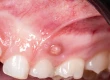
At its essence, it’s an extension of oral hygiene. While brushing and flossing target visible debris and plaque, mouthwash for bad breath can neutralize odor-causing compounds in hard-to-reach areas. A mouth rinse for canker sores may provide temporary comfort to irritated tissue, while a mouthwash for tonsil stones can help reduce debris buildup in the back of the throat.
Not all rinses are designed for the same purpose. Some are purely cosmetic, masking odors without tackling underlying causes. Others are therapeutic, intended to fight bacteria, control plaque, or ease discomfort. This variety shows that mouthwashing is less about a single outcome and more about tailoring the practice to individual oral health needs.
How to Use Mouthwash Effectively
Rinsing may sound straightforward, but technique and timing influence how well it works. Using the right amount often a capful, about 20 ml is key. Swishing should last around 30 seconds to allow the solution to reach every part of the mouth. And while it may be tempting to rinse with water afterward, doing so often dilutes the effect of the active ingredients.
Some people prefer to use mouthwash after meals to keep their breath fresh, while others incorporate it into their morning or nighttime routines. The choice often depends on personal comfort, as well as whether the rinse contains fluoride, alcohol, or other specialized agents.
Consistency also plays an important role. Occasional rinsing might provide a burst of freshness, but regular use helps maximize the intended effects whether that’s managing halitosis mouthwash concerns or soothing irritation with an oral rinse for canker sores.

Why Mouthwash Feels Intense
Anyone who has tried a strong rinse knows the sensation: a tingling, sometimes burning feeling that spreads across the mouth. This experience raises the question why does this happen?
One factor is alcohol content. Many traditional products include high percentages of alcohol, which can create a sharp stinging effect. Certain antibacterial agents, such as chlorhexidine or cetylpyridinium chloride, may also cause temporary irritation. Even essential oils like menthol, thymol, or eucalyptol used for their refreshing flavor can heighten the sensation.
For some users, that intensity is part of the appeal, a sign that the product is powerful. For others, especially those with mouth ulcers or sensitive tissues, it can feel overwhelming. In such cases, choosing a milder formula, like a mouth rinse for mouth sores, may provide comfort without the harsh bite.
Does Mouthwash Expire?
Like most health products, mouthwash comes with a shelf life. The date stamped on the bottle isn’t just a formality it indicates when the active ingredients may begin to lose their effectiveness. Over time, alcohol can evaporate, flavors can weaken, and antimicrobial compounds may not work as intended. Using an expired rinse isn’t usually dangerous, but it may not provide the same freshness or protective benefits.
For example, if someone relies on halitosis mouthwash to manage chronic bad breath, using it past its expiration date could mean less odor control. Similarly, an oral rinse for canker sores may not offer the same soothing relief once its ingredients degrade. While expired products aren’t typically harmful, freshness matters if the goal is consistent oral care results.

Is Mouthwash Good for You or Bad for You?
The ongoing debate is mouthwash good for you, or is mouthwash bad for you reflects how diverse these products are. On the positive side, therapeutic rinses can reduce bacteria, strengthen enamel with fluoride, and make breath fresher. They can be particularly helpful for individuals recovering from dental procedures, such as a dental implant, where keeping the mouth clean is crucial.
On the flip side, overuse or reliance on strong alcohol-based formulas may dry out the mouth and potentially alter the natural balance of oral bacteria. This can sometimes worsen issues like bad breath or irritation. That’s why specialized options, such as a mouth rinse for mouth sores or alcohol-free rinses, have become increasingly popular. They address specific needs without the drawbacks of harsher formulations.
Mouthwash for Different Concerns
The variety of rinses available shows how adaptable this product is:
- Mouthwash for bad breath: Focuses on neutralizing sulfur compounds responsible for halitosis.
- Mouth rinse for canker sores: Designed to reduce irritation and promote comfort.
- Mouthwash for tonsil stones: Helps reduce odor and loosen small debris trapped in tonsil crevices.
- Oral rinse for canker sores: Similar in purpose but often milder in formulation, suitable for sensitive users.
Each type highlights how mouthwashing has evolved from a general practice into a personalized part of oral care. Rather than simply asking if it’s good or bad, the better question may be: which type of rinse suits your needs?
Cultural and Scientific Perspectives on Mouthwashing
Across cultures, mouthwashing has taken on different meanings. In some traditions, it’s tied to ritual cleanliness, while in others it’s purely functional. Modern dentistry views it as a supplemental tool useful but not a replacement for brushing and flossing. Research often highlights both benefits and limitations. For example, studies show that therapeutic rinses can reduce plaque and gingivitis, yet they also caution against excessive use, which may disrupt the oral microbiome.
This scientific nuance adds depth to the question is mouthwash bad for you. It’s not simply a matter of “yes” or “no.” Instead, it’s about balance, choosing the right formula, and understanding personal sensitivity. That’s why alcohol-free, herbal, and fluoride-based rinses have gained popularity they reflect how modern oral care adapts to different needs.
How Mouthwash Fits Into Daily Life
For many, mouthwashing is less about medical necessity and more about confidence. A quick rinse before a meeting or social event can provide reassurance, especially with a mouthwash for bad breath or halitosis mouthwash. Others turn to specialized options, like a mouth rinse for mouth sores, during temporary oral discomfort.
Practicality also matters. Rinses are easy to carry, take little time, and don’t require extra tools. In this sense, they are as much about lifestyle as health. But like any habit, the key is moderation. Incorporating mouthwash thoughtfully rather than relying on it as a cure-all ensures it enhances rather than complicates daily routines.
So, is mouthwash bad for you? The best way to frame it may be this: mouthwash is a tool, and like any tool, its value depends on how, when, and why it’s used. It can freshen breath, support healing, or simply boost confidence. But it can also irritate, dry out the mouth, or lose effectiveness if misused or expired.
At DentPrime, we believe oral care is about informed choices. Whether you’re considering advanced treatments like a dental implant or simply looking for guidance on daily routines like mouthwashing, every step contributes to overall well-being. If you’d like to learn more or ask specific questions, feel free to contact us anytime.
In the end, mouthwash isn’t inherently good or bad it’s personal. Understanding its varieties, effects, and role in oral care empowers you to decide how it fits into your own routine.
About the Author