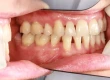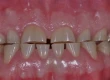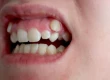







Tooth erosion is a fascinating yet often overlooked phenomenon that gradually reshapes our enamel, the protective outer layer of teeth. Unlike cavities caused by bacterial decay, tooth erosion occurs primarily through chemical processes, slowly dissolving the mineral content of the enamel. While this might sound alarming, understanding the science behind it reveals not only the mechanisms but also some surprising insights about our diet, habits, and oral environment.
Tooth erosion is more than just a cosmetic concern; it can subtly influence the structure and sensitivity of teeth. Enamel thinning exposes the inner dentin layer, potentially leading to increased sensitivity, a yellowish appearance, and a higher risk of wear. Scientists have been intrigued by this process because it intersects chemistry, biology, and lifestyle patterns, making it a compelling subject of study.
Table Of Contents
- The Science Behind Tooth Erosion
- The Impact of Tooth Erosion on Oral Health
- Foods and Drinks That Accelerate Tooth Erosion
- Lifestyle Habits That Influence Tooth Erosion
- Monitoring and Protecting Against Tooth Erosion
- Long-Term Effects of Tooth Erosion
- Interesting Scientific Insights About Tooth Erosion
- Emerging Research and Future Directions
- Understanding Tooth Erosion as a Multifaceted Phenomenon

The Science Behind Tooth Erosion
At its core, tooth erosion is a chemical phenomenon where acids, either from food, beverages, or stomach acid, break down enamel. Unlike cavities, which are caused by bacteria metabolizing sugars into acids, tooth erosion directly involves acids attacking tooth structure. Research shows that enamel begins to soften when exposed to an acidic environment with a pH below 5.5. Persistent exposure can gradually lead to visible loss of surface material.
Interestingly, tooth erosion doesn’t occur uniformly across all teeth. Front teeth, for example, are often more vulnerable due to thinner enamel, while molars can resist erosion better due to their broader chewing surfaces. Studies also indicate a correlation between erosion and lifestyle factors, including frequent consumption of acidic drinks, certain fruits, and even environmental elements like swimming in chlorinated pools.
Common Causes of Tooth Erosion
Identifying the causes of tooth erosion requires looking beyond the usual suspects. While soda and citrus are well-known contributors, several lesser-known factors play a role:
- Dietary acids: Citrus fruits, carbonated drinks, sports drinks, and even vinegar-based foods contain acids that gradually wear down enamel.
- Gastrointestinal factors: Conditions such as acid reflux or frequent vomiting expose teeth to stomach acids, which are highly erosive.
- Environmental exposure: Swimmers who spend prolonged periods in chlorinated water may experience enamel softening due to low-level acidic exposure.
- Medications and habits: Certain medications, chewing on acidic candies, or even excessive oral hygiene with abrasive toothpastes can accelerate erosion.
The interplay of these factors highlights that tooth erosion is rarely caused by a single source. Often, it’s a combination of diet, lifestyle, and biological factors that lead to significant enamel wear over time.
Early Signs of Tooth Erosion
Detecting tooth erosion in its early stages can be subtle, yet certain signals can guide observant individuals:
- Increased tooth sensitivity, especially to hot or cold foods and drinks.
- Slight yellowing of the enamel as the underlying dentin becomes more visible.
- Smooth or shiny spots on teeth where enamel is thinning.
- Minor chipping or rounding of tooth edges, especially on front teeth.
Researchers emphasize that early detection is crucial. Enamel doesn’t regenerate naturally, so interventions focus on protecting the remaining tooth structure and minimizing further acid exposure.
The Impact of Tooth Erosion on Oral Health
Tooth erosion can have significant implications for oral health beyond mere aesthetics. As enamel thins, teeth become more prone to mechanical wear and breakage. This means that even normal chewing forces can gradually cause micro-cracks, leading to long-term structural compromise. Additionally, enamel loss exposes dentin, which contains tiny tubules connected to nerve endings, making teeth unusually sensitive to temperature changes and certain foods.
Beyond sensitivity, tooth erosion can subtly alter bite alignment. Teeth that wear unevenly may affect how the upper and lower teeth meet, potentially leading to jaw discomfort or temporomandibular joint (TMJ) stress. Dental researchers have noted that chronic erosion can also accelerate the need for restorative procedures, such as fillings, veneers, or crowns, to maintain function and appearance.
Foods and Drinks That Accelerate Tooth Erosion
Understanding what contributes to tooth erosion can help in identifying patterns and preventive strategies. Acidic foods and beverages play a central role, but the frequency and manner of consumption are equally important. Here’s a detailed look:
Type | Examples | Erosion Potential |
Citrus fruits | Lemon, orange, grapefruit | High |
Carbonated beverages | Soda, sparkling water | High |
Sports drinks | Electrolyte beverages | Moderate to High |
Vinegar-based foods | Pickles, salad dressings | Moderate |
Alcoholic beverages | Wine, beer | Moderate |
Tooth erosion is not simply about avoiding acidic items; it’s also about how they interact with the mouth. Sipping acidic drinks over extended periods keeps the enamel in an acidic state longer, increasing the risk of erosion. Similarly, combining acidic foods with other habits like brushing immediately after consumption can aggravate enamel wear.
Lifestyle Habits That Influence Tooth Erosion
Tooth erosion is influenced by more than diet alone. Certain habits and daily routines can accelerate enamel loss:
- Brushing techniques: Overzealous brushing with hard-bristled toothbrushes can compound acid damage.
- Nighttime habits: Grinding or clenching teeth at night ( bruxism) wears enamel faster, especially if erosion has already softened the surface.
- Hydration and saliva: Reduced saliva flow, whether due to dehydration or medications, impairs natural buffering of acids, leaving teeth more vulnerable.
Interestingly, some researchers highlight that lifestyle choices often combine to amplify tooth erosion risk. For instance, frequent consumption of acidic beverages alongside nighttime grinding can result in accelerated enamel loss compared to either factor alone.
Monitoring and Protecting Against Tooth Erosion
Though enamel cannot naturally regenerate, steps to protect teeth from tooth erosion focus on minimizing acid exposure and strengthening what remains. Scientific studies suggest approaches such as:
- Limiting frequency of acidic food and drink consumption.
- Using a straw for beverages to reduce contact with teeth.
- Rinsing with water after acidic meals to neutralize acids.
- Choosing low-abrasive fluoride toothpaste to help strengthen enamel.
Experts also emphasize that regular dental check-ups can detect subtle erosion before it progresses. Dentists can identify early enamel thinning using visual inspection, tactile evaluation, or modern imaging techniques. Early intervention helps maintain both function and appearance over the long term.
Long-Term Effects of Tooth Erosion
Tooth erosion is not always immediately visible, but its long-term consequences can be profound. Chronic enamel loss can alter tooth shape, reduce chewing efficiency, and even influence speech patterns in severe cases. Researchers have found that prolonged erosion may also increase susceptibility to secondary dental issues, such as fractures or accelerated wear on adjacent teeth, because the protective enamel layer is compromised.
Furthermore, the aesthetic impact can be significant. As enamel thins, teeth appear more yellow due to the underlying dentin showing through. Uneven surfaces may develop, giving teeth a smoother, sometimes translucent appearance at the edges. In advanced cases, the combination of sensitivity, structural changes, and visual alteration can affect overall quality of life, underscoring the subtle yet serious nature of tooth erosion.

Interesting Scientific Insights About Tooth Erosion
Scientific studies have revealed some unexpected aspects of tooth erosion that go beyond traditional understanding:
- Saliva’s protective role: Saliva contains calcium and phosphate ions that can partially remineralize enamel. However, its effectiveness varies based on flow rate, pH, and overall oral health.
- Genetic predisposition: Some individuals naturally have more resilient enamel, making them less susceptible to tooth erosion, while others may experience accelerated wear even with moderate acidic exposure.
- Modern diet trends: Frequent consumption of “healthy” acidic foods like smoothie bowls, fruit juices, and fermented products has led to a rise in erosion cases among populations previously considered low-risk.
These insights show that tooth erosion is a complex interaction of biology, environment, and behavior, challenging simplified notions that only sugar or soda causes enamel loss.
Emerging Research and Future Directions
Ongoing research continues to shed light on innovative approaches to combat tooth erosion. Nanotechnology and bioactive materials are being explored to strengthen enamel at the microscopic level. Fluoride formulations, once considered the primary defense, are now being complemented with calcium phosphate compounds that can enhance remineralization.
Behavioral studies also emphasize education as a preventive measure. By increasing public awareness about acidic foods, proper oral hygiene timing, and protective lifestyle habits, researchers aim to reduce the incidence of tooth erosion. Future interventions may combine dietary management, personalized dental care, and advanced materials to preserve enamel more effectively than ever before.
Understanding Tooth Erosion as a Multifaceted Phenomenon
In summary, tooth erosion is a gradual, chemically-driven process that affects enamel integrity, oral function, and aesthetics. Unlike cavity formation, it is primarily influenced by acids from both diet and biological sources. Scientific evidence highlights that erosion is multifactorial, affected by lifestyle, genetics, and environmental exposure.
Recognizing the early signs, understanding contributing factors, and adopting protective habits can help maintain enamel health. Although enamel cannot regenerate naturally, ongoing research offers hope for more effective interventions in the future. Appreciating tooth erosion from a scientific perspective transforms it from a simple dental concern into a fascinating interplay of chemistry, biology, and lifestyle choices a story written directly on the teeth themselves.
About the Author